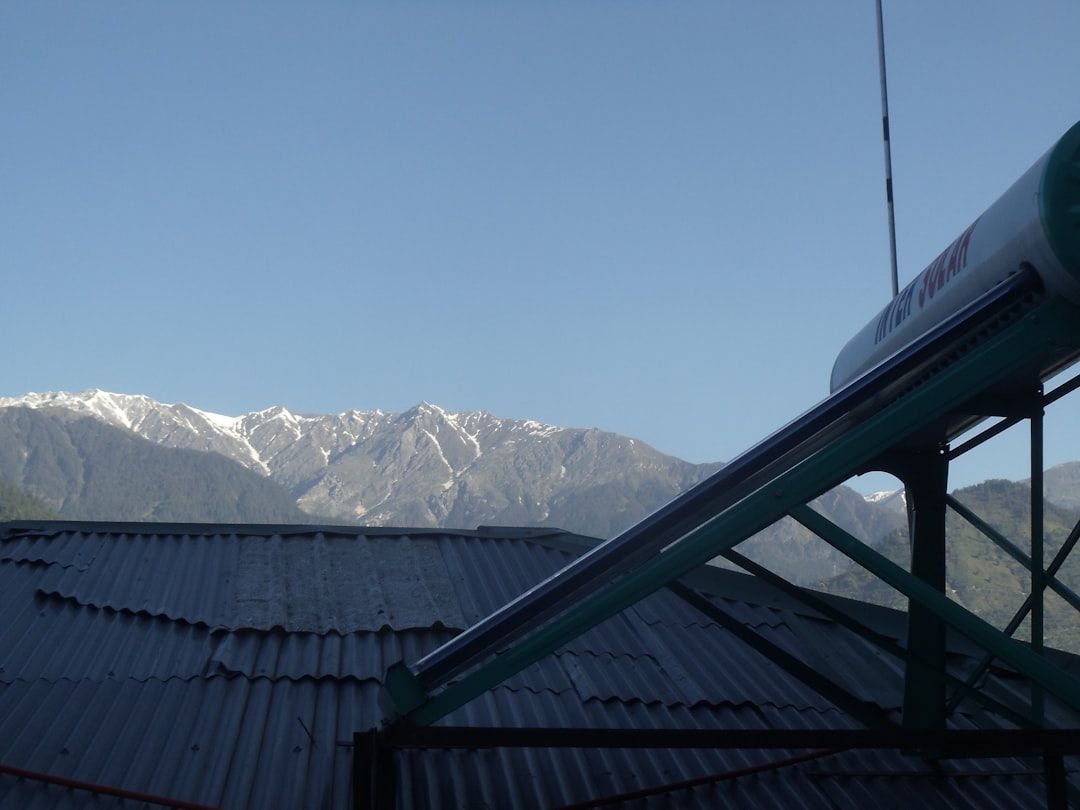
A solar geyser is one of the few home improvement investments in South Africa with a genuinely predictable financial return. Geysers account for 30–40% of a typical household's electricity bill. A properly sized solar geyser system, correctly installed, meets 60–80% of that demand from free solar energy — and South Africa has among the best solar irradiance resources in the world. Yet many homeowners receive quotes they cannot evaluate, end up with undersized or incorrectly configured systems, or pay for equipment that is not appropriate for their local climate conditions. Knowing the realistic cost range and the right questions to ask gives you the leverage to make a properly informed decision.
This guide covers what a solar geyser installation realistically costs in South Africa in 2026, the differences between system types, and what to check before committing to a supplier or installer.
The Two Main System Types: Flat Plate vs Evacuated Tube
Solar geysers collect heat from the sun using collectors mounted on the roof. Two collector technologies dominate the South African market:
Flat plate collectors: The traditional and most widely installed technology. A glazed panel with copper pipes embedded in an aluminium absorber plate. Effective in sunny conditions and moderately cloudy conditions. Less effective in heavy overcast. Robust, well-understood technology with good local service availability. The standard recommendation for most South African climates — Gauteng, KwaZulu-Natal, Eastern Cape, and most of the Northern Cape.
Evacuated tube collectors: Individual glass tubes containing an inner absorber tube. More efficient than flat plate in diffuse light conditions (overcast days, low sun angles). Better performance in cold climates where heat loss from the collector is significant. Recommended for the Western Cape (where winter overcast is common), high-altitude areas, and cold Highveld winters. More fragile than flat plate — individual tubes can be replaced if broken, but hail can cause significant damage without adequate protection.
For most South African inland locations with good sun hours, flat plate collectors deliver equivalent hot water output at a lower purchase cost than evacuated tube. For the Western Cape and other cloud-affected areas, evacuated tube justifies the premium through better winter performance.
Direct vs Indirect (Frost) Systems
Solar geyser systems are classified as direct (thermosiphon or pumped) or indirect based on whether potable water or a heat transfer fluid circulates through the collector.
Direct thermosiphon systems (close-coupled): The tank sits on the roof directly above the collector. Water circulates by natural convection — no pump, no electricity needed for circulation. Simple, reliable, and cheap to install. The limitation: the tank is on the roof (not suitable for tiled roofs with limited structural capacity or for aesthetic reasons) and direct systems are vulnerable to freezing in sub-zero temperatures. Suitable for coastal areas and warmer inland regions. Not suitable for the Western Cape midlands, Drakensberg, Mpumalanga escarpment, or high-altitude Gauteng in winter.
Indirect frost-protected systems: A heat transfer fluid (glycol mixture) circulates through the collector and transfers heat to the water in a ground-mounted tank via a heat exchanger. The glycol is antifreeze — the system operates safely in sub-zero temperatures. The tank is on the ground inside the roof space or in a utility area — no visible tank on the roof. Requires a circulation pump (small 12V pump usually powered by a small PV panel) and a controller. More complex and more expensive than direct systems, but necessary for frost-risk areas.
System Costs by Configuration
All prices below are supply-and-install, including plumbing, electrical connections, and a certificate of compliance:
Direct thermosiphon (flat plate, 150L), no frost risk areas:
Supply: R8,000–R14,000 | Installation: R3,000–R5,500 | All-in: R11,000–R19,500
Direct thermosiphon (flat plate, 200L), no frost risk areas:
Supply: R10,000–R16,000 | Installation: R3,500–R6,000 | All-in: R13,500–R22,000
Indirect frost-protected (flat plate, 200L), frost risk areas:
Supply: R14,000–R22,000 | Installation: R5,000–R9,000 | All-in: R19,000–R31,000
Indirect frost-protected (evacuated tube, 200L), Western Cape and cold areas:
Supply: R16,000–R28,000 | Installation: R5,000–R10,000 | All-in: R21,000–R38,000
What Affects Your Installed Cost
Several legitimate factors push installation costs above the base range:
Roof structure and orientation: Solar collectors perform best facing north at an angle of 25–35 degrees in South Africa. A roof that faces east or west, or requires a tilt mounting frame to achieve the correct angle, adds R2,000–R5,000. A roof that requires structural reinforcement to carry the collector and tank weight adds R3,000–R8,000.
Distance from collector to tank: Long pipe runs between rooftop collector and indoor tank add both material and labour cost. Every 10 metres of additional piping adds approximately R800–R1,500 to the installation.
Existing geyser condition: If the existing pressure geyser must be retained as backup (the solar system supplements it rather than replaces it), the existing geyser's condition and age affect the project — an old geyser close to failure is better replaced at the same time rather than six months later.
Electrical backup element and controller: All indirect systems include an electrical backup element that activates when solar cannot meet demand (overcast periods, high demand days). The controller manages when this element activates. Controller quality varies — a quality timer controller ensures the element only heats in off-peak hours (if on time-of-use tariffs) or at minimum intervals, maximising solar fraction.
Financial Return: What the Numbers Look Like
At 2026 Eskom tariffs (residential rates of approximately R2.80–R3.50 per kWh depending on municipality), a household spending R600–R800/month on water heating can realistically save R350–R550/month with a well-sized solar geyser system. At that saving rate:
- A R14,000 direct system: payback in approximately 2.5–3.5 years
- A R22,000 indirect system: payback in approximately 4–5 years
- A R30,000 premium evacuated tube system: payback in 5–7 years
After payback, the system delivers savings for its remaining lifespan of 15–25 years. No other home improvement delivers this kind of financial return alongside the energy security benefit.
Some municipalities (eThekwini, previously City of Cape Town) have offered rebates on solar geyser installations. Check current local municipality programmes before purchasing — rebates can significantly improve payback periods.
Quick Checklist Before You Commit to a Supplier
- Confirm the system type is appropriate for your climate — direct for inland/coastal, indirect for frost-risk areas
- Ask for the SABS or equivalent certification number for the collector and tank — uncertified equipment has no warranty basis
- Confirm that both a plumbing COC and electrical COC will be issued on completion
- Ask whether the installer is a Solarworx, IOPSA, or manufacturer-registered installer
- Ask for the manufacturer's warranty on the collector and tank separately — they often differ
- Get at least two quotes — system configuration recommendations and pricing vary significantly
- Confirm what happens on days with insufficient solar — the backup element wording in the quote should be explicit
- Check installer reviews from clients who have been through a full winter and summer cycle
A solar geyser is one of the few home investments that simultaneously reduces your electricity bill, provides energy independence during load shedding disruption to heating, and has a genuine financial return. Getting the system specification right for your climate and roof is the most important decision. Reviews from homeowners who have had their systems for two or three years on KiesSlim give you the most accurate picture of installer quality and system performance — not just at installation, but when something goes wrong and needs fixing.