The load shedding era in South Africa has created a booming market for backup power solutions, and the two dominant options — solar panels with battery storage, and a diesel or petrol generator — represent genuinely different approaches to the same problem. They differ in upfront cost, running cost, noise, environmental impact, what they can power, and how they fit into daily life. Choosing between them is not simply a matter of which is cheaper — it depends on your household's specific power requirements, your budget, how you use your home during load shedding, and what your long-term energy goals are. This guide gives you the framework to make that decision with accurate numbers and realistic expectations for South Africa in 2026.
This guide compares solar battery systems and generators across the dimensions that matter most for South African households: upfront cost, running cost, what each can power, practical limitations, and long-term financial picture.
Upfront Cost: The Starting Point
Generator: A portable petrol generator (5 kVA, quality brand) with a proper manual changeover switch: R12,000–R22,000 all in. A diesel standby generator (10 kVA) with automatic transfer switch (ATS): R55,000–R85,000 installed. This is the entry cost. The generator itself then costs money to run every time it is used.
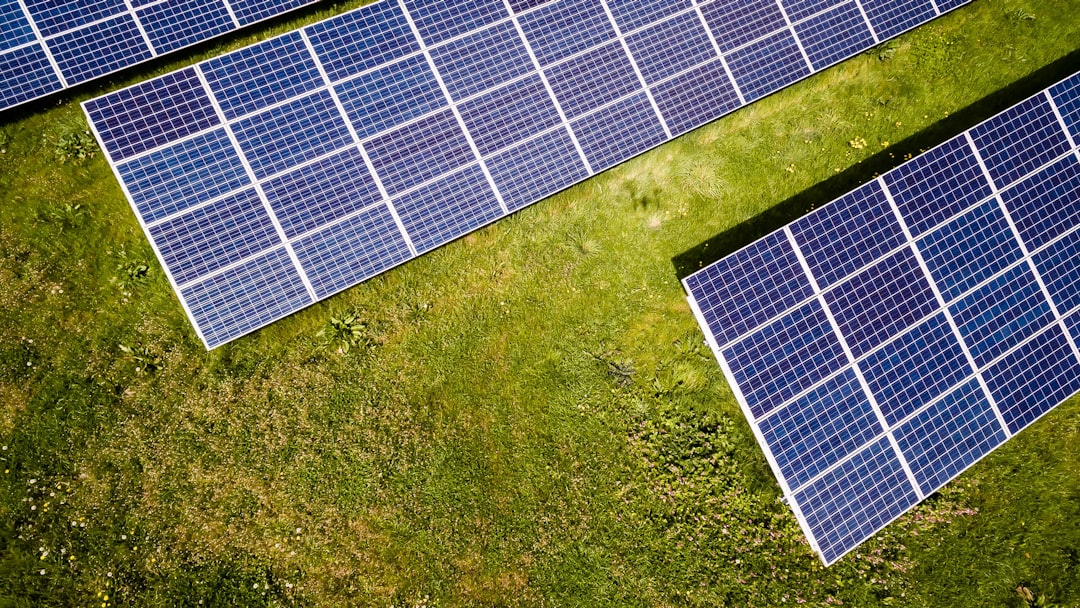
Solar with battery: A typical residential solar and battery system for load shedding backup in South Africa consists of solar panels (5–8 kWp), an inverter, and a lithium battery bank (10–15 kWh usable). Installed cost: R120,000–R200,000 for a mid-range system. Premium systems (larger panels, larger battery, premium brands) run R180,000–R350,000. Entry-level systems (fewer panels, smaller battery) start around R80,000 but provide limited coverage of load.
The upfront cost difference is significant. A generator is cheaper to start. But the comparison cannot stop at upfront cost.
Running Costs: Where the Picture Changes
Generator running costs: Petrol generators consume 1–3 litres per hour depending on load. At 2026 petrol prices (approximately R22–R24/litre), a 5 kVA petrol generator running at 50% load consumes roughly 1.5 litres/hour = R33–R36 per hour. If load shedding averages 4 hours per day for 250 days per year, that is 1,000 hours of running time and approximately R33,000–R36,000 in petrol per year.
Diesel generators are more fuel-efficient: approximately 0.8–1.5 litres per hour for a 10 kVA diesel at 50% load. At R21–R23/litre diesel, that is R17–R35 per hour. Annual fuel cost for 1,000 hours: R17,000–R35,000.
Oil changes (every 50–100 hours): R300–R600 per change. Servicing annually: R1,500–R4,000. Spark plugs (petrol) annually: R300–R800. Total generator maintenance: R3,000–R8,000 per year.
Solar with battery running costs: Essentially zero fuel cost — the sun provides the energy. Solar panels last 25–30 years and degrade about 0.5% per year in output. Batteries last 8–15 years depending on brand and cycle count before capacity drops to 80%. Battery replacement is the major future cost: a 10 kWh lithium battery replacement in 10–12 years costs approximately R40,000–R80,000 at today's prices (costs have been declining and will likely be lower in real terms by then). Inverter replacement every 10–15 years: R15,000–R30,000.
Annual running cost for solar/battery: near zero beyond insurance and occasional maintenance of connections and panels (R1,000–R3,000 per year).
What Each Can Power: The Practical Difference
Generator (5 kVA petrol): Can power a fridge, freezer, TV, lighting, phone chargers, some appliances simultaneously — total load up to about 4 kW continuous. Cannot power an electric geyser, electric stove, or air conditioner simultaneously without exceeding capacity. Suitable for comfort essentials during load shedding.
Generator (10 kVA diesel): Can power almost everything in a standard South African home simultaneously except a large electric stove and geyser together. Sufficient for most households including air conditioning.
Solar/battery (10 kWh battery, 5 kWp solar, 5 kVA inverter): Powers lights, TV, fridge, freezer, laptop, phone chargers, router, fans — the standard load shedding essentials — continuously during a 4-hour outage with substantial battery remaining. Cannot power an electric geyser during load shedding from battery alone (this is why solar geysers are recommended as a separate installation). An air conditioner is possible but rapidly depletes the battery in a single session.
Key Practical Differences
Noise: A generator is loud — 65–85 dB at 7 metres, depending on type. This is a significant quality-of-life issue in a suburban setting and a real source of neighbourly friction. Solar battery systems are essentially silent. This alone is a significant lifestyle differentiator for many families.
Fumes: A generator produces exhaust fumes and must be run outdoors or in a well-ventilated enclosure. It cannot be run in a garage with the door closed. Carbon monoxide poisoning from incorrectly sited generators kills South Africans every load shedding season. Solar battery systems have no emissions.
Fuel availability: During extended outages or infrastructure disruptions, petrol stations may have queues or no stock. Diesel availability is generally more reliable. Solar requires no fuel — it charges from the sun whether the grid is up or not.
Night operation: A generator runs whenever you need it, day or night. A solar battery system draws from stored battery at night — how much power is available depends on how much was charged during the day. In winter, shorter days mean less solar charging time, which can leave the battery insufficiently charged for a long night outage.
The 5-Year Financial Comparison
For a household experiencing 1,000 hours of load shedding per year, running a petrol generator throughout:
- Year 1: R15,000 generator + R5,000 changeover = R20,000 upfront + R36,000 fuel + R5,000 maintenance = R61,000
- Years 2–5: R36,000 fuel + R5,000 maintenance = R41,000/year × 4 = R164,000
- 5-year total: R225,000
For a mid-range solar/battery system:
- Year 1: R150,000 upfront + R2,000 maintenance = R152,000
- Years 2–5: R2,000 maintenance/year × 4 = R8,000
- 5-year total: R160,000
At current fuel prices and 1,000 hours/year of load shedding, the solar system reaches financial breakeven at around year 3–4 for a petrol generator comparison and year 4–5 for diesel. After that, the solar system is saving R30,000–R40,000 per year versus generator running costs.
Which Makes More Sense for Your Situation
Choose a generator if: Your budget is under R40,000, you rent and cannot install a permanent system, load shedding is infrequent in your area, or you need a temporary solution while considering a solar upgrade.
Choose solar/battery if: You own your property, plan to stay for at least 5 years, the noise and fumes of a generator affect your quality of life, you want to reduce your Eskom dependency long-term, or you can access solar incentive programmes or green financing.
Many South African households are choosing both — a smaller entry-level solar system for daily essentials, with a generator as backup for extended outages or high-demand periods. This hybrid approach is often the most practical combination for the current load shedding environment.
Quick Checklist Before You Decide
- Calculate your critical load (what you actually need to power during load shedding) — this determines the correct system size for either option
- If considering solar: get at least three quotes from registered solar installers and compare panel brand, battery brand, and inverter brand
- If considering a generator: confirm a licensed electrician will install a proper changeover switch and issue a COC
- Check whether your municipality or Eskom offers any solar incentive or net metering programme
- For solar: confirm the installer is registered with the SSEG compliance process in your municipality if you plan to export to the grid
- For both: read reviews from customers who have had the system for at least 12 months
The right answer between solar and a generator depends on your specific situation — budget, ownership status, load requirements, and long-term plans. Reviews from homeowners on KiesSlim who have lived with either or both systems through multiple load shedding seasons give you the most reliable picture of real-world performance.