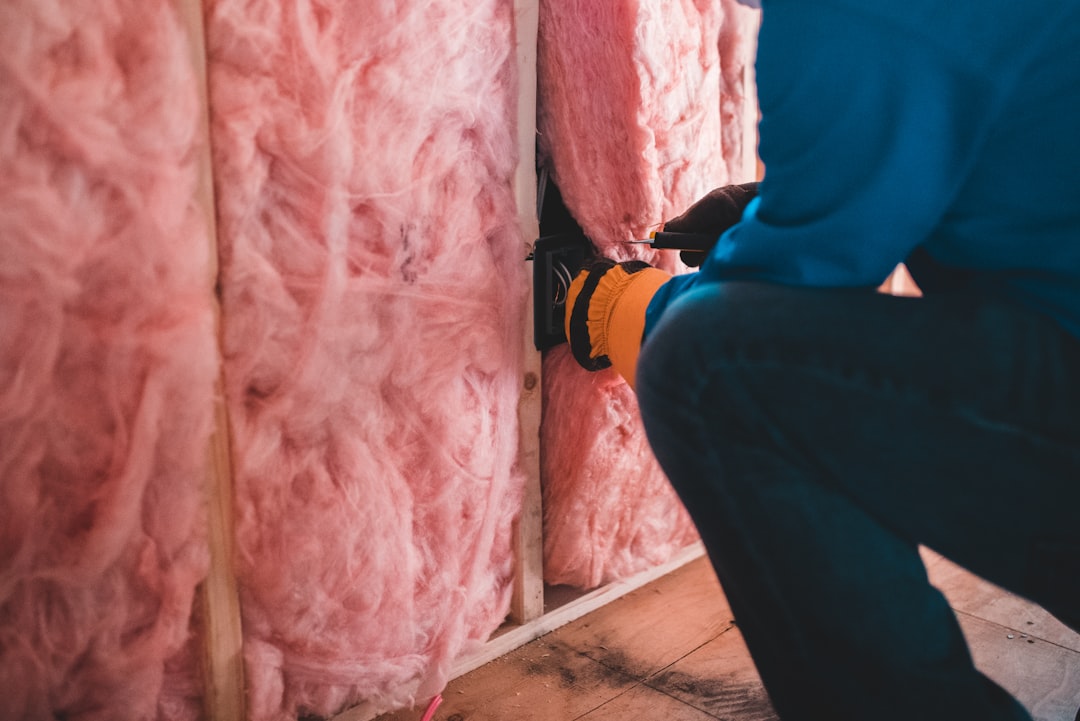
Roof insulation is one of the few home improvements that pays for itself through energy savings — typically within 3–7 years — while also making the home significantly more comfortable year-round. In Gauteng and the interior, it reduces heating costs in winter and keeps rooms cooler in summer. In the Western Cape and coastal regions, it moderates temperature extremes and reduces the load on air conditioning. Yet most South African homeowners either have inadequate insulation (or none at all in older homes) and lack a clear picture of what the work should cost or what they should be comparing when getting quotes.
This guide covers the main types of roof insulation available in South Africa, realistic 2026 cost ranges for different scenarios, what drives variation between quotes, and what to verify before you appoint an installer.
Types of Roof Insulation Available in South Africa
The right insulation type depends on whether you have a pitched roof with a ceiling (the most common residential configuration), a flat roof, or a single-skin structure like a metal sheet building or garage. Each type has different costs and installation characteristics.
Insulation blanket/roll: A flexible blanket of glass wool or polyester fibre rolled out between and over the ceiling joists. The most common option for standard pitched-roof homes with a ceiling. Installed from above (via the roof space) or below if the ceiling is being replaced. Easy to install, effective, and widely available. The R-value (thermal resistance) depends on the thickness — 135mm blanket is adequate for most SA climates; 145mm or 200mm provides enhanced performance.
Insulation batts: Pre-cut rigid or semi-rigid panels of glass wool, mineral wool, or polyester, cut to fit between ceiling joists. Easier to handle than rolls in tight spaces and hold their shape better over time. Marginally more expensive than roll insulation for equivalent R-value.
Blown/loose-fill insulation: Cellulose or mineral fibre insulation blown into the roof space using a machine. Excellent for covering awkward areas and achieving uniform coverage without the gaps that hand-laid blankets sometimes leave. Typically more expensive in materials but faster for large areas and guarantees even coverage.
Reflective foil insulation: A foil-faced product installed in the roof void, typically under roof sheeting or between rafters. Reflects radiant heat rather than absorbing it. More effective in summer heat than winter cold. Often used in combination with blanket insulation rather than alone.
Spray foam: Polyurethane foam sprayed directly onto the underside of roof sheeting or into cavities. Provides both insulation and an air seal. More expensive than blanket options but appropriate for metal sheet roofs without a ceiling. Not typically recommended for standard tiled roof homes due to cost and potential maintenance complications.
What Roof Insulation Should Cost in 2026
Insulation pricing in South Africa depends primarily on the area to be insulated, the product selected, and whether it is a new installation or a retrofit (older homes may need existing damaged or compressed insulation removed first).
Standard blanket insulation, supply and install: R80–R140 per square metre for a 135mm glass wool blanket in a standard pitched-roof home with accessible roof space. A 150m² home therefore costs R12,000–R21,000 depending on the supplier, product brand, and installer. Premium products (thicker, higher R-value, better-quality glass wool) run R120–R180/m².
Blown insulation, supply and install: R100–R160 per square metre including the blowing machine and labour. Slightly higher per square metre than hand-laid blanket but faster for large areas and often better coverage in awkward spaces.
Foil insulation (under roof sheeting, new installation): R30–R60 per square metre for the foil product, plus installation. Often supplied separately if the roofing contractor installs it during a re-roof.
Old insulation removal: If existing insulation is compressed, damaged, or contaminated and needs to be removed before new insulation is installed, add R20–R40 per square metre for removal and disposal.
What Drives Cost Variation Between Quotes
Insulation quotes that vary significantly between suppliers are usually explained by one of these factors.
Product specification. A 100mm blanket and a 145mm blanket of the same material look similar in a quote but provide materially different thermal performance. Confirm the thickness and R-value of the product quoted — not just the product name. An R-value of R2.5 is adequate for most SA climates; R3.5 provides meaningfully better performance.
Installation method. Proper installation of blanket insulation involves laying it in a continuous layer without gaps, ensuring coverage over the top of all ceiling joists (not just between them), and sealing around penetrations (light fittings, pipes). Rushed installation with gaps reduces effectiveness significantly. Ask how the installer handles penetrations and what coverage is guaranteed.
Accessibility. Low-pitch roofs, roofs with many internal partitions, or homes where the roof space is only accessible through a small hatch take longer to insulate and cost more in labour. Quotes that look expensive for a small home may be justified by access difficulty.
Combined products. Some quotes include foil under the roof sheeting plus blanket in the ceiling void — a combination that outperforms either alone. These quotes will naturally be higher than single-product quotes and should be compared on performance, not price alone.
SANS 10400-XA Compliance — What You Need to Know
South Africa's National Building Regulations (SANS 10400-XA) specify minimum energy efficiency requirements for new buildings and certain alterations. For new builds and significant renovations, ceiling insulation is legally required to meet a minimum R-value depending on the climate zone. In Highveld (Zone 3–4), the minimum is typically R2.5 for ceiling insulation in residential buildings.
If you are insulating as part of a new build or renovation requiring building approval, confirm with your building contractor that the specified insulation meets SANS 10400-XA requirements for your climate zone. For retrofit insulation in an existing home without building alterations, the regulations do not apply as an enforcement matter — but meeting the minimum R-value is still good practice for energy efficiency.
Quick Checklist Before You Appoint
- Confirm the product specification in any quote — thickness in millimetres and R-value, not just brand name
- Get at least two quotes specifying the same product type and thickness for comparison
- Ask how penetrations (light fittings, AC units, pipes) will be handled during installation
- Check whether old insulation needs to be removed first — add the removal cost to your comparison
- Ask whether the installer guarantees continuous coverage without gaps over the joists
- For new builds or major renovations, confirm the insulation meets SANS 10400-XA for your climate zone
- Check whether the installer is certified by the Glass and Mineral Wool Insulation Producers Association (GMIWA) or equivalent — this confirms product and installation quality standards
- Ask for a certificate of installation confirming the product used and the area covered
Finding a reputable insulation installer in your area with a verified track record is straightforward when you can read reviews from other homeowners who have used them — KiesSlim makes it easy to find and compare contractors in your city based on real client feedback.