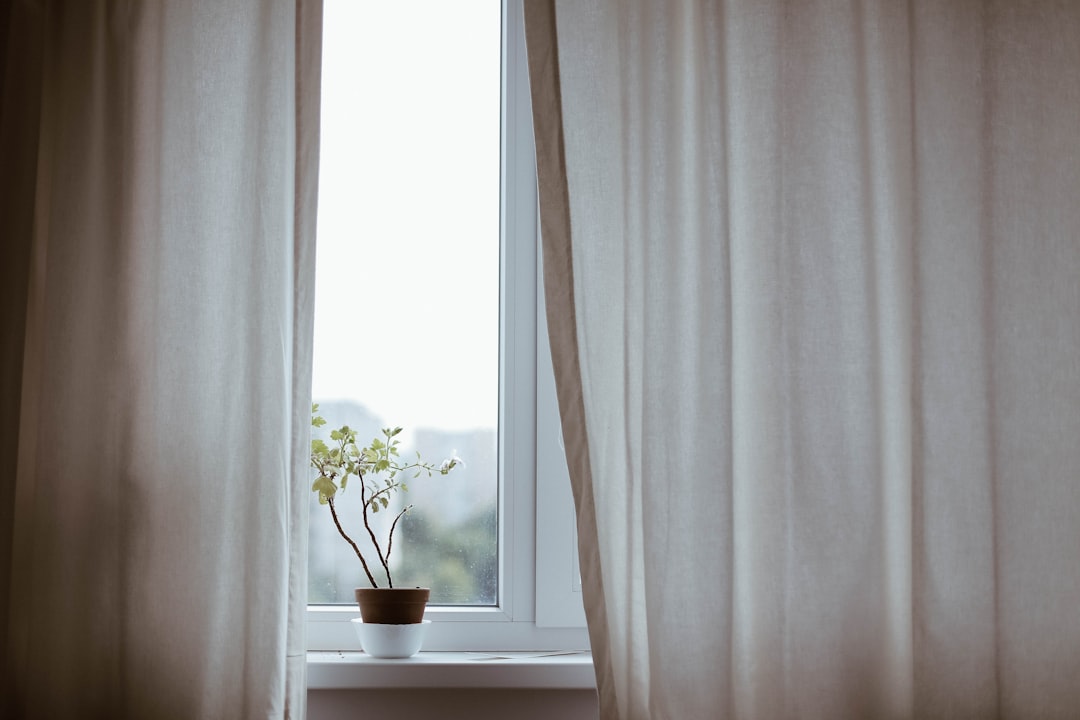
Window treatments are one of those purchases that sound straightforward until you are standing in a showroom overwhelmed by fabric swatches, rail systems, and pricing that varies wildly from one supplier to the next. Curtains and blinds affect how a room feels, how much light enters, how much heat builds up in summer, and — if you get it wrong — how much money you waste on something that does not fit or fades within a year.
This guide walks you through everything you need to know before spending a cent.
Curtains vs blinds — which is right for your space?
The first decision is the most fundamental. Curtains and blinds are not interchangeable — each suits different rooms, lifestyles, and budgets.
Curtains work best in living rooms, dining rooms, and bedrooms where you want a soft, warm aesthetic. They are easier to wash at home (depending on fabric), they absorb sound, and they can make a room feel taller when hung high above the window frame. The downside is that heavy drapes collect dust, they are harder to operate in wet or steamy rooms like kitchens and bathrooms, and cheaper fabric fades quickly in direct South African sun.
Blinds suit kitchens, bathrooms, offices, and any room that needs precise light control. Roller blinds are the most popular choice in South African homes because they are simple, affordable, and easy to clean. Venetian blinds give fine control over light angle. Vertical blinds are common in offices and sliding door openings. Roman blinds sit somewhere between a curtain and a blind — they stack up in neat folds and can be made from the same fabric as scatter cushions for a coordinated look.
Many homeowners use both: blinds for light control and privacy, curtains layered over for warmth and style. This is particularly common in bedrooms where blackout blinds block early morning light while sheer curtains soften the look during the day.
Understanding fabric and materials in the South African context
South Africa's climate makes fabric choice more consequential than in cooler, cloudier countries.
Sunlight degradation is the biggest factor. Rooms that face north or west receive intense afternoon sun for much of the year. Polyester and polyester-blend fabrics resist fading far better than pure cotton or linen. If you have your heart set on a natural fabric, ask the supplier about UV-resistance treatments or whether an interlining will protect the face fabric.
Thermal performance matters in both directions. In Johannesburg and the highveld, winter nights are cold. Thermal-lined curtains or cellular (honeycomb) blinds trap a layer of air between the window and the room, meaningfully reducing heat loss. In coastal cities like Durban and Cape Town, the concern is more about keeping heat out in summer — blockout roller blinds with reflective backing do this effectively.
Moisture resistance is critical in bathrooms and kitchens. PVC vertical blinds and aluminium Venetian blinds are washable and will not warp in steam. Cotton curtains in a bathroom with a shower are a maintenance nightmare.
Sheers and voiles provide daytime privacy while still letting in light — a practical solution for rooms that face a busy street or a neighbour's wall. The catch is that cheap voile yellows quickly in sunlight. Ask specifically whether the fabric has been treated for UV resistance.
How to measure correctly
Incorrect measurements are the most common and most expensive mistake people make. Either the curtains look skimpy because they are too narrow, or the blinds bind in the frame because the width is slightly off.
For curtains:
- Measure the width of the track or pole, not the window opening. Curtain fabric should be 1.5 to 2.5 times the track width to hang with proper fullness — the exact ratio depends on the heading style (eyelet, pencil pleat, pinch pleat).
- Measure the drop from where the track will hang to where you want the curtain to end — just above the floor, to the sill, or below the sill for a puddled look.
- If you are hanging the rail above the window frame (recommended to make windows look taller), decide how high before measuring.
For roller and vertical blinds:
- Decide whether you want an inside recess fit (blind sits within the window frame) or a face fit (blind covers the wall around the window for maximum blockout). Inside fit requires precise measurements — leave a 5mm tolerance on each side so the blind operates without catching.
- For inside fit, measure width at three points (top, middle, bottom) and use the smallest measurement.
- Measure the drop from the top of the recess to the window sill.
If you are not confident measuring, a reputable supplier will send someone out to measure for a small fee — or include it in the cost of the installation. Always get this done before placing the order, not after.
Questions to ask a supplier before you commit
The curtain and blind industry in South Africa has many operators who cut corners — cheap fabric sold as quality product, incorrect measurements, and fitters who disappear after installation. Ask these questions to filter out the unreliable ones.
Can I see fabric samples in person, not just on a screen? Colours look different on a monitor. You need to see how the fabric drapes and hold it up to your window light before deciding.
What is the fabric composition and where is it from? Local fabric manufacturers like Hertex, Weylandts, and Sunguard produce good quality product. Imported fabrics from China are not necessarily inferior, but you need to know what you are buying. Ask for the fabric code so you can research independently.
Is the lining included in the price, and what type of lining? Standard lining, blackout lining, thermal lining, and interlining are different products at different price points. Specify what you need.
Who does the installation, and are they employed by you or subcontracted? Many showrooms subcontract installation to freelancers. That is not automatically a problem, but it matters for accountability if something goes wrong.
What is the warranty on the motor if I am ordering motorised blinds? Motorised roller blinds and automated track systems are increasingly popular. Make sure the motor brand is reputable (Somfy and Dooya are the main names you will encounter) and that the supplier carries spare parts locally.
What is your lead time? Custom-made curtains typically take three to six weeks from order to installation. If you need them sooner, ask upfront — some suppliers can fast-track orders for a premium.
What to budget
Prices vary significantly depending on fabric quality, treatment type, and whether you are going to a high-end interior supplier or a mid-market retailer.
For roller blinds, a standard fabric roller blind in a normal window opening starts around R600–R900 supply-only, or R900–R1,400 supply and install. Blockout and UV-coated fabrics are typically 20–40% more. Motorised rollers start around R2,500–R3,500 per blind installed, depending on the motor brand and window size.
For made-to-measure curtains, expect to pay R400–R900 per metre of fabric for a mid-range fabric from a good supplier, plus making-up charges of R150–R400 per width (a standard window typically requires 3–4 widths), plus rail or track costs (R300–R800 per metre for a quality track system), plus installation. A pair of lined curtains for a standard living room window from a reputable supplier generally costs R4,000–R9,000 all in. Statement rooms with full-height floor-to-ceiling drapes in quality fabric can easily exceed R15,000.
For off-the-shelf curtains from retailers like Mr Price Home, @home, or Woolworths Home, you can spend R600–R2,500 per pair for eyelet panels. These are not custom, so the fit may not be perfect, and fabric quality is variable. Fine for rental properties or budget renovations — less suitable if you want a polished result.
Red flags to watch for
The window treatment industry, like many home improvement trades, has its share of operators who take shortcuts or overpromise. Here is what to watch out for.
No written quote. Any supplier who gives you a price verbally and refuses to put it in writing is a problem. You need a quote that specifies fabric name and code, treatment type, number of widths, lining, rail or track included or excluded, installation, and lead time.
Prices that seem too low. There is usually a reason. Cheap fabric fades, cheap rails sag, cheap finishes look terrible within a year. If a quote is 40% below everyone else, ask what has been cut.
Pushy upselling on motorisation. Motorised blinds are genuinely useful in high windows, skylights, and large open-plan spaces. They are not necessary for a standard bedroom window, and a supplier pushing you hard toward motorisation on simple applications may be chasing margin, not solving your problem.
No site visit for large orders. If you are ordering curtains for multiple rooms and the supplier has not sent someone to measure and assess, walk away. Remote measurements for custom work lead to expensive mistakes.
Vague fabric descriptions. "Premium blockout" and "luxury linen-look" are marketing language, not specifications. Ask for the exact fabric composition and the specific blockout percentage if you need a truly dark room.
Finding a reliable supplier
Ask for recommendations from friends or family who have recently had window treatments done — this is still the most reliable method. Interior decorators and home renovation contractors also maintain lists of trusted fabric suppliers and fitters.
When evaluating a supplier, look at their completed work. Ask if you can see a recent installation in a home similar to yours, or look at their portfolio carefully. Online reviews are useful but read them critically — look for detail about measuring accuracy, installation quality, and how the supplier handled problems, not just "beautiful curtains."
Get at least two quotes for any significant order. The quotes will not be directly comparable because each supplier will propose different fabrics, but the process forces you to ask the right questions and understand what you are actually paying for.
A note on DIY vs professional installation
Simple roller blinds in standard openings are entirely DIY-friendly. Most come with a drill template, wall plugs, and brackets. If you can use a level and a drill, you can install them yourself and save R200–R400 per blind.
Curtain tracks and poles in older homes with plaster walls or tricky window reveals are a different matter. Incorrect fixing into lath-and-plaster or incorrectly spaced brackets will result in a sagging rail or a rail that pulls out of the wall. If you are not confident, pay for professional installation — it is not expensive and it ensures the result looks as it should.
For motorised systems or any electrical integration, always use a professional installer. Cheap DIY wiring of 12V motor systems is a fire risk and will void the motor warranty.
Final checklist before ordering
- Measure twice, order once — or have the supplier measure
- Hold fabric samples against the actual window before committing
- Confirm lining type in writing
- Check lead time against your move-in or renovation deadline
- Get a written quote with fabric codes, quantities, and installation included or excluded clearly stated
- Ask what happens if the finished product does not match the sample — understand the remediation process before you pay a deposit
Window treatments are not a glamorous purchase, but they are a permanent fixture in your home. Taking an hour to ask the right questions and get proper measurements done will save you far more than that in frustration and money down the line.