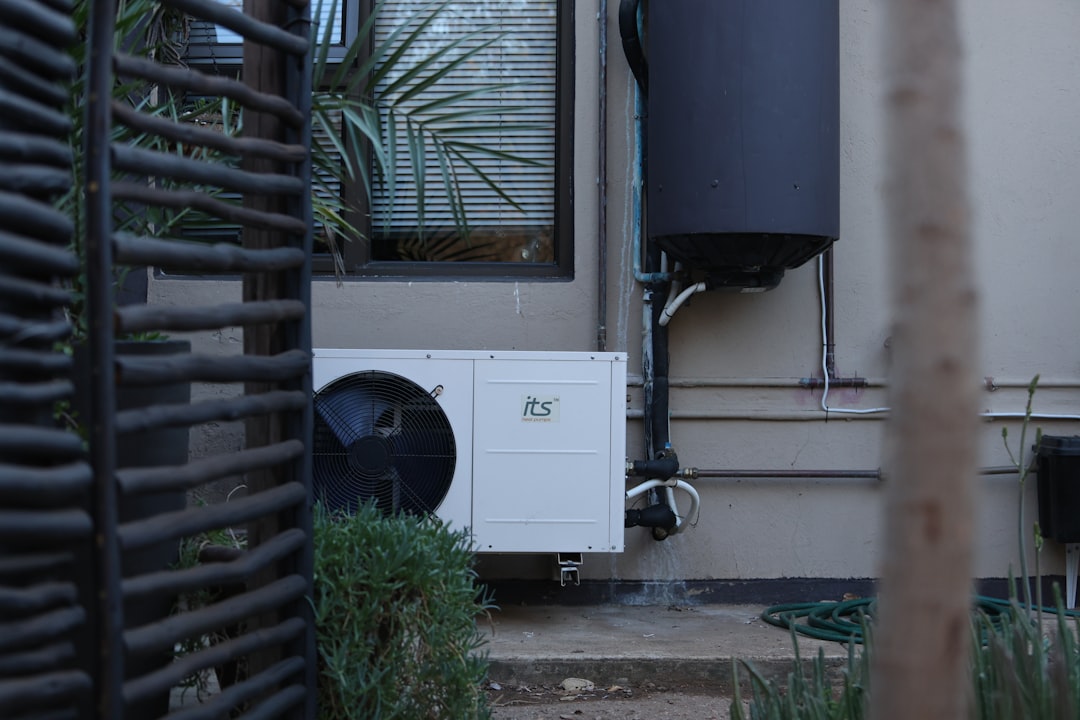
Why Heat Pump Geysers Have Become Mainstream
South Africa's electricity costs have increased by over 300% in the past decade, and the traditional electric resistance geyser — which simply uses a heating element to warm water — is one of the largest consumers of electricity in any home. It typically accounts for 40% to 50% of a household's monthly electricity bill.
A heat pump geyser works differently. Rather than generating heat electrically, it extracts heat from the surrounding air and transfers it into the water — the same principle as a reverse-cycle air conditioner. This process is three to four times more energy-efficient than a resistance element. For every 1kWh of electricity consumed, a heat pump geyser produces 3 to 4kWh of heat. The result is a water heating cost reduction of 60% to 70% for most households.
With electricity prices at their current levels, a well-installed heat pump geyser typically pays for itself in two to four years, and then continues delivering savings for its 10 to 15-year lifespan.
What Does a Heat Pump Geyser System Cost in 2026?
The total cost has two components: the unit itself and the installation. Both vary significantly.
Unit Costs
Heat pump geyser units in South Africa range from budget Chinese-manufactured options at the low end to European and South African-assembled units at the premium end. In 2026, expect to pay:
- Budget units (150–200 litre) — R8,000 to R14,000. These are typically from lesser-known brands with limited local support and shorter warranties.
- Mid-range units (150–250 litre) — R15,000 to R22,000. Well-established brands like Kwikot, Hotpoint, Geyserwise, and locally distributed brands with proper warranty and service networks.
- Premium units (200–300 litre) — R22,000 to R35,000. Units from established international brands (Stiebel Eltron, Daikin, Thermia) with longer warranties and proven longevity.
Capacity choice should match your household. A 150-litre unit suits a one- to two-person household; a 200-litre unit suits two to three people; a 250-300 litre unit suits four or more. Undersizing is the most common mistake — a unit that runs constantly to keep up with demand loses much of its efficiency advantage.
Installation Costs
Installation costs depend on the complexity of the job — whether it is a replacement of an existing geyser or a new installation, whether the unit goes on the roof or at ground level, and the plumbing configuration of your home.
- Standard replacement installation — R3,500 to R7,000 (replacing an existing electric geyser in an accessible location)
- Complex installation — R6,000 to R12,000 (new installation, difficult access, significant plumbing modifications required)
Total installed cost for a mid-range system in a typical three-bedroom home: R20,000 to R30,000.
What Affects the Payback Period?
The payback calculation depends on:
- Your current electricity tariff — at the current Eskom/municipal rate of approximately R3.50 to R4.50 per kWh in 2026, households spending R800 to R1,500 per month on water heating will see payback in two to four years
- Hot water usage — high-usage households (four or more people with daily showers, dishwasher, frequent laundry) see faster payback
- Climate — heat pumps extract heat from air, so they operate most efficiently in warm ambient temperatures. In cold highveld winters, efficiency drops somewhat but remains well above electric resistance heating
- Time of use — setting the heat pump to run during off-peak hours further reduces cost if you are on a time-of-use tariff
Solar Geyser vs Heat Pump Geyser
Both technologies reduce water heating costs significantly. Key differences:
- Solar geysers require roof space, panel installation, and work less effectively in cloudy or overcast conditions. They typically cost R8,000 to R18,000 installed and can reduce heating costs by 50% to 80% in good conditions.
- Heat pump geysers do not depend on sunlight, can be installed anywhere with adequate airflow, and maintain consistent efficiency regardless of weather. They cost more upfront but are more reliable year-round.
In areas with reliable sunshine (most of South Africa outside the Cape winter rainfall zone), a quality solar geyser with an electric backup element is a strong competitor. In the Western Cape where winter sun is unreliable, heat pumps often offer better year-round performance.
Choosing an Installer
The quality of installation matters as much as the quality of the unit. A heat pump geyser installed incorrectly — wrong refrigerant charge, inadequate airflow around the unit, poor plumbing connections — will underperform or fail prematurely.
When evaluating installers:
- Ask whether they are registered with the South African Refrigeration and Air Conditioning Contractors Association (SARACCA) or a similar trade body
- Ask whether they are an accredited installer for the brand they are recommending — most reputable manufacturers require accreditation for warranty purposes
- Get a written quote itemising the unit, installation labour, any plumbing materials, and VAT
- Ask specifically about airflow requirements and where the unit will be positioned — a unit boxed into a confined space with inadequate fresh air will not perform as specified
- Confirm what the warranty period is for the unit and what the call-out process is if something goes wrong
Maintenance
Heat pump geysers require minimal maintenance compared to solar systems. An annual inspection of the air filter (which can be cleaned easily) and a check of the refrigerant pressure by a qualified technician every two to three years is generally sufficient. Most quality units will run for eight to twelve years without major service needs.
The Bottom Line
A heat pump geyser is one of the few home improvements that genuinely pays for itself. For a mid-range unit professionally installed in a typical South African home, expect to spend R20,000 to R30,000 and to recover that cost in savings within three to four years at current electricity prices. Choose a reputable brand with a strong local service network, use an accredited installer, and confirm the capacity is right for your household before purchasing.