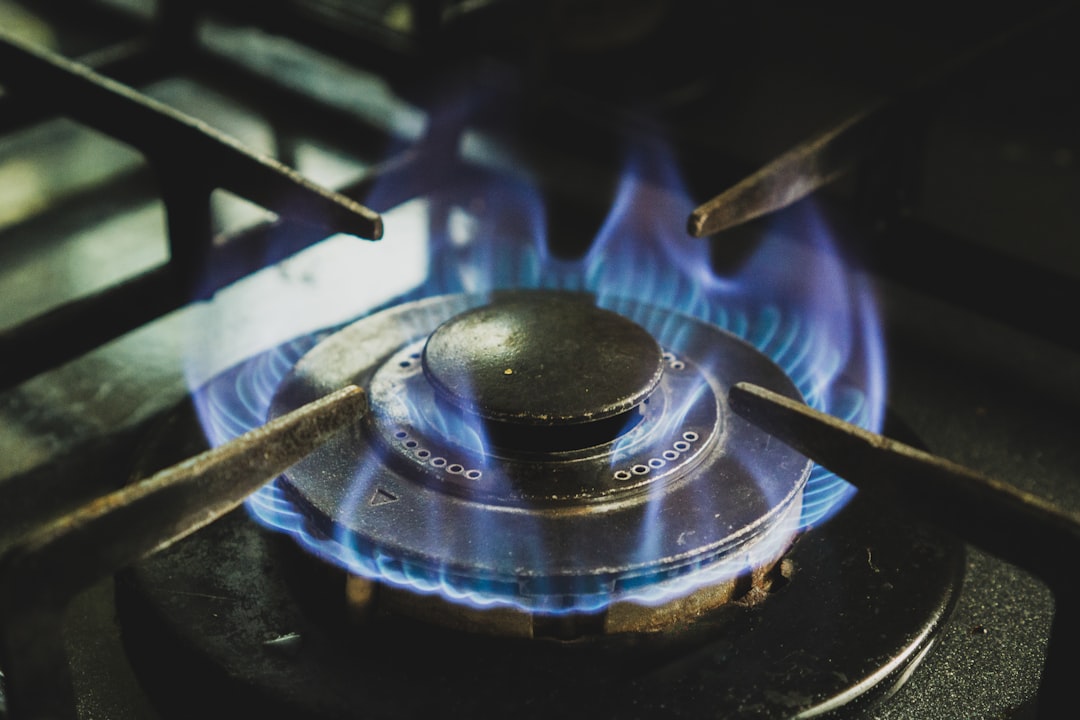
Gas installations in South Africa are regulated for good reason — an incorrectly installed gas system can cause fires, explosions, or carbon monoxide poisoning. Yet the industry has a significant number of unregistered operators doing gas work that does not comply with South African regulations and standards. Understanding the regulatory framework, knowing what a compliant installation requires, and identifying a properly registered installer are the three most important things you can do before any gas work is done on your property.
The regulatory framework
Gas installations in South Africa are governed by the Pressure Equipment Regulations (PER) promulgated under the Occupational Health and Safety Act (OHS Act), and the SANS 10087 series of standards, which cover the installation and use of LPG (liquefied petroleum gas, commonly sold as "gas" in South Africa).
LPGas South Africa (formerly LPGSA) is the industry body for the LPG sector and maintains a register of certified gas installation technicians and companies. Registered installers are required to complete an approved training programme, pass practical and theoretical assessments, and maintain their registration through continuing education.
Certification of Conformity (CoC) is the legal document that must be issued for any new gas installation, and when a property changes ownership. This certificate confirms that the installation was completed by a registered technician and complies with SANS 10087. Without a CoC, your installation is legally non-compliant, your property insurance may be invalidated in the event of a gas-related incident, and you cannot sell the property without remedying the installation and obtaining a CoC.
This is not a technicality — insurance companies in South Africa regularly decline claims for gas-related incidents where the installation did not have a valid CoC. The cost of using an unregistered installer to save money upfront can be many times that saving in the event of an incident or a refused insurance claim.
What requires a gas installer
The following work requires a registered LPGas SA technician and must result in a CoC:
- Installing a new LPG cylinder system (whether a single cylinder or a multi-cylinder bank)
- Installing or connecting gas appliances (hob, oven, fireplace, braai, geyser, pool heater)
- Running new gas pipework
- Converting an existing gas system to a different configuration
- Repairing existing gas pipework or fittings
- Installing an automatic changeover regulator or manifold system
Replacing a gas cylinder on an existing, compliant installation does not require a CoC — but the connection point (the pigtail, hose, and regulator) must be inspected as part of any compliant installation and replaced according to the manufacturer's intervals.
Types of gas installation
LPG cylinder installations are the most common residential gas configuration. Single 9kg or 19kg cylinders supply individual appliances (hob, gas braai). Twin-cylinder configurations with an automatic changeover valve allow one cylinder to supply while the other is ready — essential for households with heavy use or a gas geyser that requires uninterrupted supply. Larger installations (48kg cylinders or bulk storage) are used for high-demand applications like gas geysers, pool heaters, or commercial kitchens.
Piped gas systems run copper or flexible corrugated stainless steel tubing (CSST) from the cylinder location to appliances throughout the property. These must be installed by a registered technician, pressure tested, and documented in the CoC. Exposed copper pipework in South Africa's climate is susceptible to damage — CSST in conduit is increasingly preferred.
Natural gas is available in limited areas in South Africa (primarily through Egoli Gas in Johannesburg) and requires different installation standards and appliances. The principles of using a registered installer and obtaining a CoC apply equally.
Gas appliances — what to consider
Gas appliances sold in South Africa should carry SABS (South African Bureau of Standards) certification or equivalent international certification. Uncertified appliances — often very cheap imports — may not be calibrated correctly for South African LPG gas pressure, may have substandard safety devices, and may produce carbon monoxide at dangerous levels.
When purchasing gas appliances, ask whether the appliance carries SABS or equivalent certification and confirm with your installer that it is appropriate for your gas supply configuration (cylinder pressure vs regulated pressure).
Gas geysers require specific installation considerations: correct flue arrangement, fresh air supply for combustion, minimum clearances from structures, and anti-frost protection in cold climates. A gas geyser installed without a proper flue in an enclosed space is a carbon monoxide risk. This is not an area for shortcuts.
Gas fireplaces (including gas log sets and gas braais) must be installed with the correct regulator for the appliance's gas consumption rate. Undersized regulators cause appliance underperformance; incorrect fittings create leak risk. An installer familiar with the specific appliance makes a meaningful difference.
Finding a registered installer
Verify that any installer you are considering is registered with LPGas South Africa before they start work. LPGas SA maintains an online register of certified installers that can be searched by name, company, or region. Ask the installer for their registration number and check it against the register. This takes five minutes and is the single most important verification step.
In addition to registration, ask how long the company has been operating, what brands of appliances they typically work with, and whether they have experience with the specific type of installation you require (a geyser installation is different from a hob connection, which is different from a commercial kitchen fit-out).
Questions to ask before work begins
Are you registered with LPGas SA, and can you provide your registration number? Non-negotiable starting point.
Will you issue a Certificate of Conformity on completion? If the answer is no, do not proceed. If the answer is yes, confirm that the CoC will be issued in the name of the company doing the work and will cover the full scope of the installation.
What does your quote include? Ask specifically whether it includes pipework, fittings, pressure testing, certification, and any building work required (chasing walls for pipes, for example).
What are the ventilation requirements for this appliance, and how will you address them? Any gas appliance that uses combustion air must have adequate ventilation specified and installed. This is frequently overlooked in rushed or cut-price installations.
What are the maintenance requirements after installation? Hoses and pigtails connecting cylinders to regulators have specified replacement intervals (typically every five years for rubber hoses, longer for CSST). The regulator has a replacement interval. Ask what ongoing maintenance the installation requires and at what intervals.
What to budget
Standard hob connection to existing cylinder (supply and connect, CoC): R1,500–R3,500
Gas hob supply and installation (hob included): R4,000–R12,000 depending on brand and number of burners
Gas geyser installation (geyser and flue included): R8,000–R20,000 depending on capacity and complexity of flue arrangement
Piped gas system to multiple points (per point, excluding cylinder): R2,000–R5,000 per connection point depending on distance and pipework complexity
CoC for existing installation inspection: R800–R2,000
Red flags
Cannot or will not provide an LPGas SA registration number. Decline the work immediately.
No mention of CoC. A registered installer working legally will always mention the CoC. An unregistered operator will try to avoid the topic or claim it is not required.
Using flexible rubber hose where rigid pipework is required. Flexible hose is appropriate for the final connection between a fixed pipe and a movable appliance (like a gas hob that slides out for cleaning). It is not appropriate for concealed runs through walls or for long exposed runs. An installer who runs flexible hose throughout a property is cutting corners in a way that creates safety and compliance problems.
Significantly cheaper than all other quotes. Registered installers have training and certification costs. Materials must meet SANS standards. A quote significantly below market usually means unregistered work, non-compliant materials, or a scope that omits the CoC.
Working without switching the gas off. Any competent gas installer works with the gas supply isolated. Any installer who works on a live gas system without first confirming gas is off at the cylinder is operating unsafely.
After the installation
Receive the original CoC document and store it with your property documents. Take photographs of the installation — particularly the cylinder location, any concealed pipework before walls are closed up, and the appliance connections. This documentation is valuable if you ever need to extend the installation, sell the property, or make an insurance claim.
Test every appliance after installation with the installer present. Check that flame colour is correct (primarily blue for LPG — excessive yellow indicates incomplete combustion), that flow rates are consistent, and that all safety devices (thermocouple flame failure devices on geysers and hobs) function correctly.
Gas is safe when properly installed and maintained. The South African regulatory framework exists specifically to ensure that safety — use it by insisting on a registered installer every time.