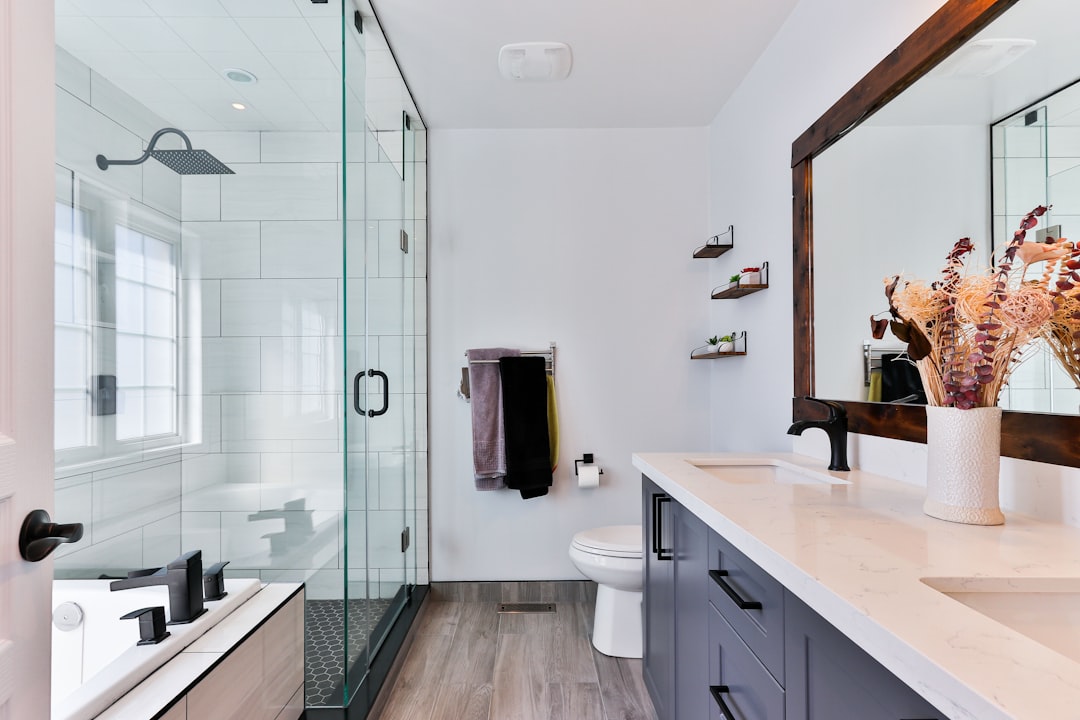
Bathrooms are the second most expensive room to renovate in South Africa, after kitchens. Unlike painting a lounge or laying new flooring, bathroom work involves licensed plumbers, waterproofing, tiling, electrical (for lighting and heated towel rails), and often structural changes if you are moving fixtures. When something goes wrong — a leak behind tiles, a poorly waterproofed shower — the damage spreads fast and silently. Getting the budget right from the start is not just about saving money. It is about not discovering a rot problem three years after the renovation when you open up a wall.
This guide breaks down what a bathroom renovation realistically costs in South Africa in 2026, across three scope levels. It covers the big cost drivers — tiling, plumbing, waterproofing, vanities, shower enclosures — and explains where homeowners most commonly underestimate. Use this before you invite the first contractor in for a quote.
Three Renovation Levels and What They Cost
Most bathroom renovations fall into one of three categories, and the scope differences are significant.
Cosmetic refresh (R15,000–R45,000): No structural changes, no moving of plumbing points. You replace the vanity, taps, toilet suite, mirror, lighting, and accessories. If the existing tiling is sound and level, you may regrout and reseal rather than retile. Labour is relatively light — a handyman or small contractor can handle most of it, with a plumber called in only to reconnect the basin and toilet. Most homeowners in this bracket also repaint. This scope suits bathrooms where the layout works but the look is dated.
Full bathroom redo (R55,000–R130,000): Full strip-out including tiles, fittings, and often the bath or shower enclosure. New waterproofing throughout, new tiling floor to ceiling in the shower, new vanity cabinet and countertop basin, new toilet suite, new shower or freestanding bath, and a licensed electrician for lighting. Plumbing points stay largely in place but may shift slightly. This is the most common renovation scope for mid-market homes.
Wet room conversion or full layout change (R120,000–R280,000+): Moving plumbing points, potentially opening walls, converting a separate bath and shower into an open wet room, or combining two small bathrooms. Requires a certified plumber for point relocation, structural assessment if walls are involved, and premium finishes. Freestanding baths on their own cost R8,000–R35,000 depending on material. This scope is for homeowners preparing to sell, doing an upmarket upgrade, or significantly reconfiguring the space.
Tiling: The Biggest Variable in Any Bathroom Budget
Tiling is almost always the largest single cost line in a bathroom renovation, and it varies more than any other element.
Tile supply costs per square metre (2026 market rates): ceramic tiles R80–R200/m², porcelain R180–R450/m², large-format porcelain (600×1200mm) R350–R800/m², marble or travertine R600–R2,500/m². An average South African bathroom is 5–8m², but a fully tiled bathroom (floor plus all four walls to ceiling) requires 20–30m² of tile once you account for walls.
Tiling labour runs R150–R350 per square metre depending on tile size and complexity. Large-format tiles cost more to lay — fewer grout lines look premium but require a flatter substrate and more skill. Mosaic or feature tiles cost R300–R600/m² to install. Waterproofing membrane under the tiles in the shower area adds R80–R150/m².
A common budgeting mistake is pricing tile supply without accounting for wastage (allow 10–15%), adhesive, grout, and silicone sealant. These add R30–R60 per square metre on top of the tile cost.
Plumbing, Waterproofing, and the Costs You Cannot Skip
Plumbing in a bathroom renovation falls into two categories: reconnection (cheap) and point relocation (expensive).
If your toilet, basin, and shower stay in the same position, a licensed plumber charges R800–R2,500 to disconnect and reconnect during a renovation. If you move the toilet — even 500mm — you are looking at R4,500–R12,000 for the soil pipe relocation, depending on whether it is a ground floor (relatively accessible) or upper storey (significant work). Moving the shower waste point adds R2,000–R5,000. These figures assume no structural complications.
Waterproofing is non-negotiable and underpriced by many homeowners. A proper waterproofing system for a shower (floor and walls to at least 200mm above the showerhead) using a membrane system costs R3,500–R8,000 for materials and labour. Skimping here is the single most expensive mistake in bathroom renovations. A failed waterproof layer means water in the wall cavity, structural damage, and a full retile within three to five years.
Geysers are occasionally part of a bathroom renovation budget if the existing unit is old. A standard 150L geyser installed by a licensed plumber with a certificate of compliance costs R7,000–R14,000 all in.
Vanities, Fixtures, and Fittings
The fitting-out phase — vanity, basin, toilet, taps, shower enclosure, mirror, accessories — ranges enormously based on specification.
Entry-level toilet suite (close-coupled, standard white): R1,800–R3,500. Mid-range wall-hung toilet with concealed cistern: R4,500–R9,000. Premium wall-hung suites from European brands: R12,000–R30,000.
Vanity cabinet with countertop basin: R2,500–R6,000 for a basic freestanding unit; R6,000–R18,000 for a floating wall-hung cabinet with soft-close drawers and a vessel basin. Add R1,500–R4,000 for taps (basin mixer), with imported brands at R2,500–R8,000.
Shower enclosures vary from R3,500 (framed aluminium with a standard acrylic tray) to R25,000+ (frameless 10mm glass with a custom threshold). A fixed glass shower screen (one panel, no door) runs R4,000–R9,000 installed. Rainfall showerheads add R800–R3,500 depending on brand.
Mirror with LED backlight: R2,500–R8,000. Towel rail (heated, electric): R3,500–R8,000 installed. Extractor fan: R800–R2,500 installed by an electrician.
Labour Costs and Project Management
A full bathroom renovation involves at least four trades: tiler, plumber, electrician, and painter. In some cases a waterproofing specialist is separate from the tiler. Coordinating these trades yourself saves 10–15% on a project management markup but requires time and availability during the day.
General contractor markup (managing all trades, providing one contact point): 12–18% on top of trade labour and materials. For a R80,000 renovation this adds R10,000–R15,000 but saves significant scheduling stress.
Tiler daily rate: R600–R1,200 per day. A standard bathroom takes 3–5 days to tile depending on complexity. Plumber: R600–R1,500 per hour for licensed work. Electrician: R500–R1,000 per hour. Allow R2,500–R5,000 for electrical in a standard bathroom (new lighting, extractor, shaver point).
Demolition and rubble removal: R1,500–R4,000 depending on the size of the strip-out. Skip hire for a renovation in a townhouse complex often costs R2,000–R4,000 for a week.
Where Budgets Go Wrong
The most common ways bathroom renovation budgets overrun by 25–50%:
Hidden rot or mould behind tiles: When an old shower is stripped, damaged wall board or rotten timber framing is frequently found. Replacing wall board adds R150–R300/m²; structural timber repairs are priced per job but budget R3,000–R10,000 if rot is found.
Asbestos in old wall board or floor adhesive: In homes built before 1995, Rhino Board and some floor adhesives contain asbestos. Certified asbestos removal adds R5,000–R20,000 and requires a specialist contractor.
Choosing tiles in phases: Ordering feature tiles six weeks after the tiler has started often delays completion by two to three weeks. Select and order all tiles before demo begins.
Plumbing compliance certificate: A certificate of compliance from a licensed plumber is legally required for any plumbing work that changes a drainage point. Budget R800–R1,500 for the COC if your contractor does not include it.
Scope creep: "While we are here, can you also do the en suite?" Without a written scope of work and a change-order process, verbal additions accumulate and the final invoice is 30–40% higher than the original quote.
Quick Checklist Before You Hire
- Get at least three written quotes — a quote without a line-item breakdown is a red flag
- Confirm the plumber holds a valid plumbing licence and will issue a COC on completion
- Confirm the electrician is registered with the Electrical Contractors Board and will issue a COC
- Ask specifically about waterproofing: what membrane, what method, and who applies it
- Order all tiles and fittings before demolition starts — delays cost money
- Get asbestos confirmed or ruled out before any demo in a pre-1995 home
- Agree a written scope of work with a clause for written change orders only
- Check that the quote includes rubble removal — many entry-level quotes exclude it
Bathroom renovations reward preparation more than almost any other home project. The more decisions you lock in before the first tile is removed — tile selection, fitting specification, plumbing layout — the less the project costs you in delays and change orders. Reading contractor reviews on KiesSlim before shortlisting will show you who delivers clean finishes on time and who routinely leaves sites half-finished.