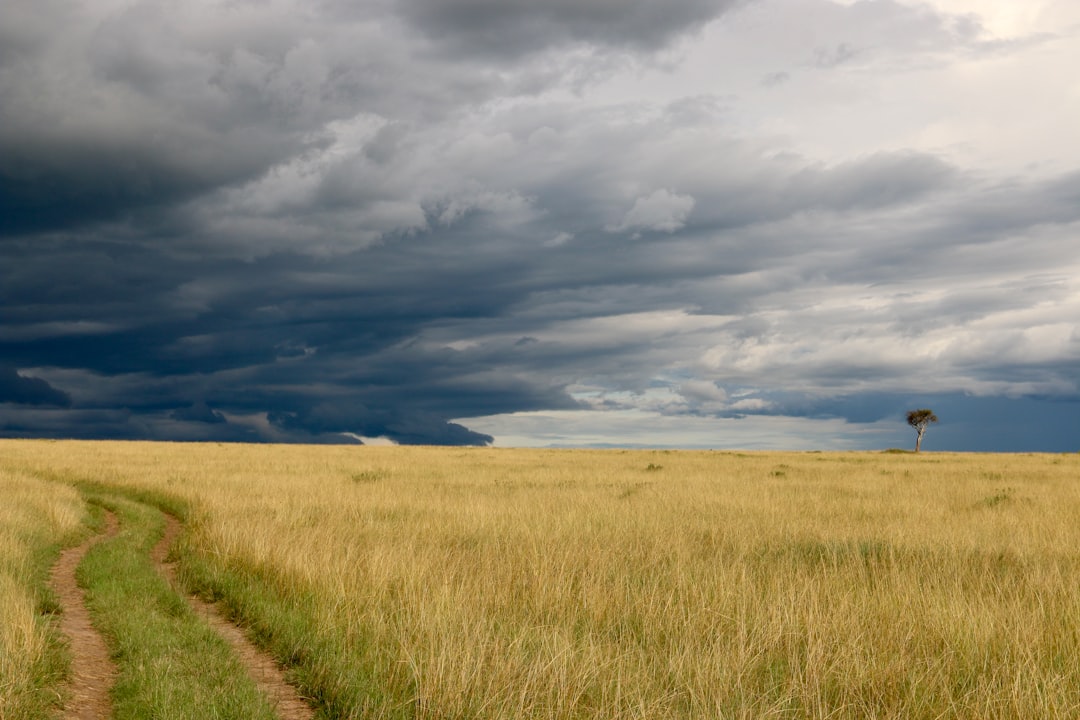
South Africa's summer storm season — roughly October through March across the Highveld, KwaZulu-Natal coast, and Eastern Cape — brings hail, high winds, heavy rainfall, and lightning that cause significant property damage every year. Most of this damage is preventable or reducible with proper preparation in the weeks before the season begins. Insurers process the majority of their annual property claims during storm season, and many of those claims relate to pre-existing maintenance problems that storms simply accelerate — a weak gutter joint that would have held another winter, a tile with failing mortar that storm winds displaced, a tree with a dead branch that landed on a roof.
This guide covers the practical preparation steps that South African homeowners should complete before storm season to minimise damage and strengthen their insurance position.
Roof Inspection and Repair
Your roof is the most important storm protection element of your property. A roof in good condition will withstand typical summer storms; one with existing weaknesses is likely to develop leaks or suffer displacement during the first significant weather event of the season.
Before storm season, inspect the following or have a roofer inspect them:
- Ridge and hip capping: Cracks in the cement mortar or flexible compound that seals the apex tiles allow water under the ridge during heavy rain. Repoint any cracked or loose ridge capping before the season.
- Individual tiles: Walk the perimeter and look for cracked, displaced, or missing tiles — particularly along the verge (edge) where wind pressure is highest. Replace before the season.
- Flashings: The metal or lead strips that seal junctions between the roof and walls, chimneys, or skylights. Lifted or corroded flashings are one of the most common sources of storm-related leaks.
- IBR and corrugated steel sheets: Check fasteners (tek screws and roofing bolts) for looseness or rust. Loose sheeting in high winds becomes a dangerous projectile and tears adjoining sections as it lifts.
- Flat roofs: Check the waterproofing membrane for bubbling, cracking, or separation at perimeter edges — signs of a system approaching failure that will not survive heavy sustained rainfall.
Gutters and Stormwater Drainage
Blocked gutters and stormwater drainage are the second most common cause of storm-related property damage after roof failures. A blocked gutter in a heavy downpour overflows into the fascia board, wall cavity, or roof void rather than away from the property.
Clear all gutters of accumulated leaf litter, bird nests, and debris before the season. Check that downpipes are clear — push a hose through each one and confirm water flows freely to the storm drain. Check that the stormwater drainage in your driveway and garden routes water away from the house foundation and does not pond against walls. If you have a basement or below-grade structure, confirm the drainage channels and pump (if installed) are functional.
In Johannesburg and Pretoria, hail is a significant storm risk — solid debris accumulating in gutters after a hailstorm can block drainage overnight and cause ceiling damage during subsequent rain. Keep gutters clear throughout the season, not just at the start.
Trees and Garden Structures
Dead branches and unstable trees are major storm-season risks to property — and to neighbouring properties, for which you may carry liability if a tree on your property causes damage. Before storm season, walk your property and identify:
- Dead branches overhanging the house, outbuildings, or boundary walls
- Trees with significant lean or evidence of root instability (lifted paving or lawn around the base)
- Trees with large cavities in the trunk that indicate structural weakness
- Branches in contact with power lines — contact your municipality or Eskom; do not attempt this yourself
Remove dead branches before the season. For any tree you are uncertain about, have it assessed by a qualified arborist. Remember to check municipal bylaws before felling any mature tree — some species are protected regardless of their condition.
Electrical System Storm Preparation
Lightning strikes cause power surges that damage appliances, distribution boards, and smart home systems. South Africa's Highveld has one of the highest lightning incidence rates in the world — adequate surge protection is not optional for electronics in Johannesburg and Pretoria.
Before storm season: confirm that your distribution board has surge protection installed (a surge protection device or SPD, distinct from an earth leakage protector). Individual appliance surge protectors at power strips provide a second layer of protection for computers, televisions, and audio-visual equipment. Unplug sensitive electronics during active thunderstorms — surge protectors reduce risk but are not absolute protection against a direct lightning strike on the supply line.
Home Insurance Review
Before storm season is the ideal time to review your homeowner's insurance policy for two specific things:
Maintenance exclusions: Most policies exclude storm damage that results from a pre-existing maintenance defect — a leaking roof that was already known to be in poor condition, for example. If your adjuster finds that storm damage was facilitated by a maintenance issue, the claim may be partially or fully rejected. Completing pre-season maintenance and keeping records of it (invoices, photos) strengthens your claim position.
Replacement value: Building replacement costs in South Africa have increased significantly in 2024–2026 due to materials inflation. If your sum insured reflects the property value from several years ago, you may be underinsured — meaning your insurer will only pay a proportion of a rebuild claim proportional to the underinsurance percentage. Review your sum insured with your broker and adjust if necessary before the season.
Quick Storm Season Preparation Checklist
- Roof inspected: ridge capping, individual tiles, flashings, and fasteners checked and repaired
- Gutters cleared of all debris — downpipes confirmed free-flowing
- Stormwater drainage confirmed routing away from foundation and not ponding
- Dead branches identified and removed — tree stability assessed for any trees near structures
- Distribution board surge protection confirmed — individual appliance surge protectors at sensitive electronics
- Home insurance sum insured reviewed — updated to reflect current replacement cost
- Emergency contractor contacts saved (plumber, roofer, electrician) for rapid response if damage occurs
Finding reliable contractors before a storm is dramatically easier than finding them after one — when demand spikes and storm chasers flood the market. KiesSlim lists roofing contractors, plumbers, and electricians across South Africa with verified homeowner reviews — identify your go-to contacts now before the season begins.