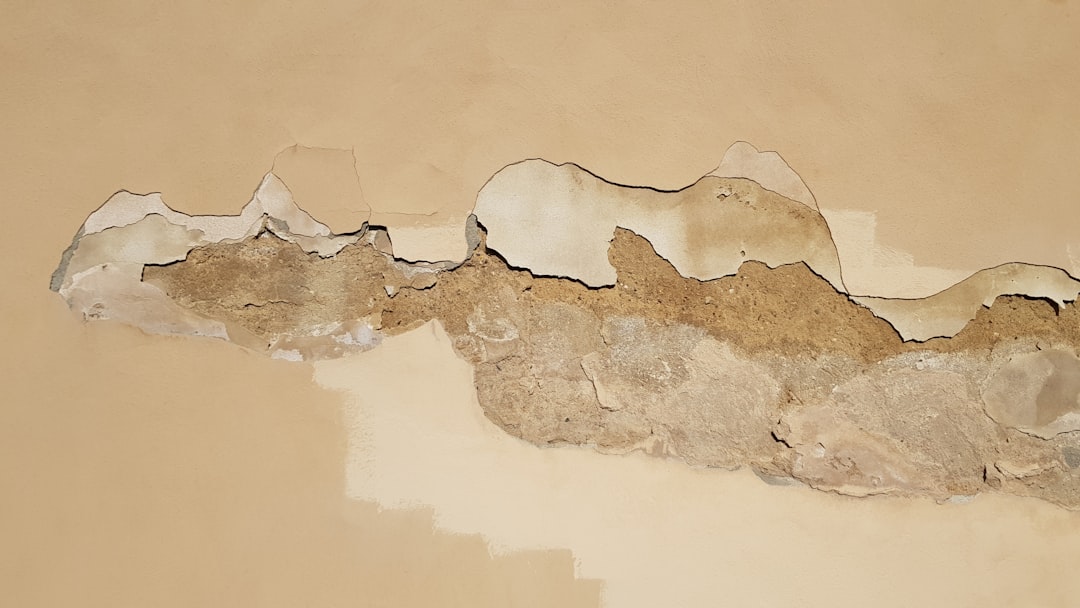
Rising damp is one of the most expensive surprises a property buyer can face in South Africa. It starts quietly — a faint musty smell, a small patch of discolouration near the skirting board — and by the time it becomes obvious, it has often caused structural damage, destroyed plasterwork, and created conditions for mould that affects the health of everyone living in the home. Remediation costs range from R15,000 for a small section to R150,000 or more for a whole-house treatment, and most sellers do not volunteer this information.
This is written for buyers, not builders — it covers what you can see, smell, and tap with your own hands during a walkthrough, without instruments.
What Rising Damp Actually Is
Rising damp is ground moisture that travels upward through porous brick, concrete, or stone by capillary action. Every older South African home has a damp-proof course (DPC) — a horizontal barrier built into the wall at or near floor level to stop this moisture. When the DPC fails, is bridged, or was never properly installed, ground water wicks up the wall continuously.
It is different from penetrating damp (which enters through cracks, roof leaks, or porous render) and condensation damp (which forms on cold surfaces in poorly ventilated rooms). Rising damp typically shows only on lower sections of walls — usually the bottom 0.5 to 1.5 metres — and is worse in winter and after heavy rain. Penetrating damp follows the water source and can appear anywhere. Condensation tends to be worst on exterior walls and around windows.
Knowing the difference matters because the treatment is different. A dehumidifier does nothing for rising damp. Repainting over it buys a seller a few months of concealment, but the moisture breaks through again. The only lasting fix is injecting a chemical DPC, replacing affected plaster with a renovation render, and in severe cases, cutting and relaying floor screeds.
Rooms and Areas Most at Risk
Not all rooms are equally vulnerable. Focus your inspection on these areas first during any walkthrough.
Bathrooms and kitchens at ground level are high-risk because wet areas accelerate DPC failure. Check behind toilet pedestals, under vanity units, and along any wall that shares a surface with soil outside. In kitchens, check under sink cabinets and the wall behind the stove if it faces outside.
Garages converted to living space are a major red flag. Garages were often built without a proper DPC because they were never intended to be habitable. When owners enclose them, the ground moisture has a direct path into what is now a bedroom or study. Look for staining along the bottom of all walls.
North-facing walls in Gauteng, Limpopo, and Mpumalanga receive less sun and stay damper. On the Western Cape, south-facing and west-facing walls take the most weather. Stoeps and patios that have been tiled directly against the house wall are a common bridge point — the tile level often sits above the DPC and channels water straight in.
Older homes built before 1970 are at significantly higher risk. DPC materials used then have a finite lifespan and many have failed. Houses in low-lying areas, near streams, or with high water tables are also disproportionately affected.
What to Look For During a Walkthrough
You do not need instruments to spot the early signs of rising damp — though a moisture meter helps confirm what you see. Here is what to look for:
Tidemark staining. A horizontal band of discolouration at low level, often yellowish-brown, is the classic rising damp signature. Sellers sometimes repaint over it, but the paint often shows a slight texture difference or slight bubbling where moisture has pushed through.
Salt deposits (efflorescence). White crystalline deposits on the surface of brickwork or plaster indicate that moisture has moved through the wall and deposited salts as it evaporated. This is a strong indicator of active or historic damp.
Plaster that sounds hollow. Tap the lower section of internal walls with your knuckle. Sound plaster gives a solid thud. Plaster affected by rising damp sounds hollow because moisture has broken the bond between the plaster and the wall. This usually means the plaster will need to be hacked off and replaced as part of any repair.
Peeling paint or wallpaper. At low level specifically. Moisture pushes from behind and breaks adhesion. Isolated patches at mid-height or ceiling level are more likely condensation or a leak.
Musty smell. Not damp smell after rain — a persistent, embedded mustiness that does not clear when you open windows. This often means mould is already growing inside the wall structure.
Asking the Right Questions Before You Make an Offer
South Africa's Property Practitioners Act and the Voetstoots clause interact in ways that matter here. Voetstoots means you buy the property as-is, but a seller cannot legally conceal a known latent defect. If damp is discovered after transfer and the seller knew about it and did not disclose, you may have a legal claim — but proving knowledge is difficult and litigation is expensive.
The safest approach is to ask directly, in writing, before making an offer: "Has the property ever had a damp problem? If so, what treatment was carried out and by whom?" Ask for any guarantees issued by a damp-proofing company — reputable companies issue 10-year guarantees that transfer to a new owner.
Commission a pre-purchase inspection from an independent building inspector before signing. This costs R2,500–R5,000 depending on the property size, but a single missed damp problem can cost ten times that to repair. Ensure the inspection report specifically addresses the DPC condition, not just visible surface moisture.
If an inspection reveals active damp, you have three options: negotiate a price reduction to cover repairs, require the seller to remediate before transfer with a verified guarantee, or walk away. Do not accept a fresh coat of paint as a fix — the problem will return within months.
What Damp Treatment Actually Costs in South Africa
Understanding costs helps you negotiate if damp is found. Costs vary by region and severity, but these are realistic 2026 figures.
Chemical DPC injection for a standard single-room wall (10–15 linear metres) runs R8,000–R18,000 including the injection, hacking off affected plaster, and applying renovation render. This is the labour and materials minimum — it does not include repainting or replacing skirting boards.
Whole-house DPC treatment for a 200m² home with moderate damp in multiple rooms typically costs R60,000–R120,000. Complex cases with structural damage, floor screed replacement, or cavity wall treatment cost more.
A 10-year guarantee from a reputable damp-proofing company should be included. Ask whether the guarantee covers both the chemical barrier and the render, and check that it is transferable to new owners — this matters for your own resale value down the line.
Do not hire a contractor who offers to fix rising damp by waterproofing the exterior only. That treats penetrating damp, not rising damp. A proper rising damp treatment works from the inside, starts with injection at wall level, and replaces the contaminated plaster with a sand-cement renovation render.
Quick Checklist Before You Buy
- Walk every room and check the bottom metre of all walls for staining, salt deposits, or peeling paint
- Tap lower wall sections with your knuckle — hollow sound means compromised plaster
- Check inside built-in cupboards at ground level — sellers often forget to repaint in these
- Ask directly in writing whether any damp problems have been treated, and request guarantees
- Commission an independent building inspection before signing, not after
- Check outside where garden beds, paving, or tiles sit at or above DPC level against exterior walls
- Inspect garages and converted spaces specifically — they are the highest-risk areas
- If damp is confirmed, get two or three remediation quotes before negotiating a price reduction
Reading reviews from other homeowners who have used damp-proofing or building contractors in your area is one of the most reliable ways to avoid cowboy operators — KiesSlim makes it easy to find contractors in your city who have a verifiable track record.