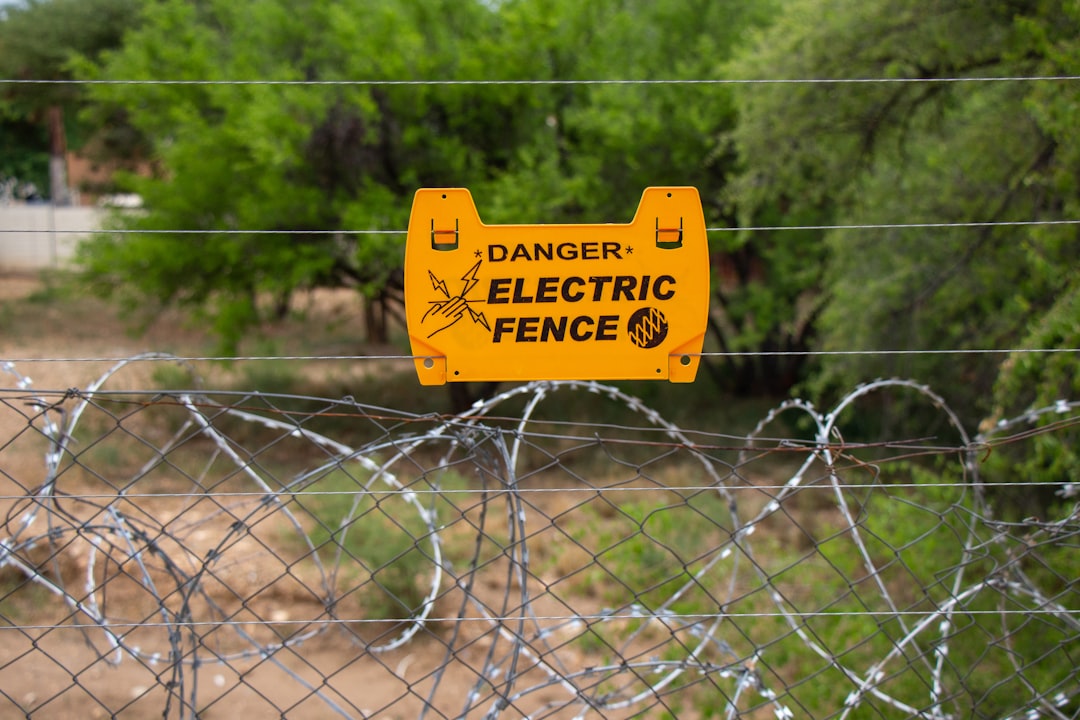
Why Electric Fence Maintenance Is Non-Negotiable
An electric fence is a live security system. When it is working correctly, it delivers a high-voltage, low-current shock that deters intruders effectively and triggers an alarm if the circuit is cut or shorted. When it is not maintained, one of two things happens: it shorts out from vegetation or a fault and stops working entirely (but still appears to be on), or it develops a genuine hazard. Neither outcome is acceptable for a security system people are relying on.
South African law requires electric fence installations to comply with the Electrical Machinery Regulations under the Occupational Health and Safety Act. Every installation must have an Electric Fence System Certificate of Compliance (EFSCC), and any change to the system requires a new certificate. Maintaining the fence in a safe, compliant condition is the owner's responsibility.
Understanding How the System Works
An electric fence system has three main components: the energiser (the unit that generates the pulsed high-voltage current), the fence wires, and the earthing system. All three must function correctly for the fence to work. Most problems with residential electric fences trace back to one of three causes: vegetation contact draining the charge, a broken or shorted wire, or a fault in the energiser or earth.
The energiser display (usually a flashing LED or a digital readout) gives a continuous indication of fence voltage. A healthy fence on a standard home should read 6,000 to 10,000 volts. A reading below 4,000 volts typically indicates a problem that needs investigation.
Monthly Checks — What You Can Do Yourself
Visual inspection of the fence line — walk the perimeter monthly and look for:
- Vegetation (trees, creepers, long grass) touching or growing through the wires. Even small contact from green vegetation can drain the charge significantly. Cut back anything touching the wires.
- Broken or sagging wires — a wire that has snapped or drooped to touch the wall or another wire will short the system
- Damaged insulators — the plastic insulators that hold wires away from the wall brackets must be intact. Cracked or missing insulators cause shorts.
- Corrosion at connection points — particularly at earth stakes and energiser connections in coastal environments
Check the energiser voltage reading — if your energiser has a voltage display, note the reading monthly. A gradual decline over several months indicates increasing fault resistance on the fence (usually vegetation) that is not yet visible as a complete short.
Test the alarm function — briefly touch (or short) the fence wires with a non-conductive object to confirm the alarm triggers at the control panel or your armed response. Do this when armed response is not active unless you want a callout.
Quarterly Maintenance
Every three months, or after any significant storm or hail event:
- Check and tighten all wire connections — particularly at the energiser terminals and at any joining points along the fence
- Inspect the earth system — the earth stakes (buried metal rods that complete the electrical circuit through the ground) should be free of corrosion and firmly in the ground. In very dry conditions, pouring water around the earth stakes improves conductivity.
- Clear the full fence line vegetation — a full vegetation clearance every quarter prevents the gradual buildup of grounding faults that reduce voltage
- Check for physical damage — look for signs of tampering: cut wires, damaged brackets, or signs that someone has tested the fence using insulating material
Annual Professional Service
A qualified electric fence technician should service the system annually. This should include:
- Full voltage and continuity test of every zone
- Energiser inspection and testing — capacitors degrade over time and an energiser that reads correct voltage may not be delivering the correct energy (joule output)
- Earth resistance test — a proper earth test requires a clamp meter or earth resistance tester, not a visual inspection
- All connection points checked and cleaned
- Verification that the system still complies with the original installation certificate
Annual professional servicing costs R600 to R1,500 depending on the size of the fence and the scope of the service. Ask specifically what tests are included — a "service" that is only a visual inspection and vegetation clear is not a proper annual service.
EFSCC — Certificate of Compliance
An Electric Fence System Certificate of Compliance must be issued by a registered electric fence installer for every new installation and for any alteration to an existing system. When you sell a property, a valid EFSCC is required for the transfer.
If your property's fence has been modified (extended, repaired with different components, or the energiser replaced) without a new certificate being issued, you may be in a non-compliant position. Ask the installer who did the most recent work whether they issued a new EFSCC. If not, arrange for a registered installer to inspect and certify the system before you need to produce the certificate for a property sale.
Common Problems and Their Causes
- Low voltage (below 4,000V) — almost always vegetation contact or a damaged insulator. Walk the fence line and check.
- No voltage at all — check the energiser is powered and switched on; check the mains supply; check the fuse in the energiser. If all of these are fine, the energiser itself may have failed.
- Alarm triggering without apparent cause — usually vegetation moving in wind and intermittently touching the wires, or an animal (cat, bird) making contact
- Energiser overheating — indicates a severe fault somewhere on the fence drawing continuous current. Find and resolve the fault before the energiser is damaged.