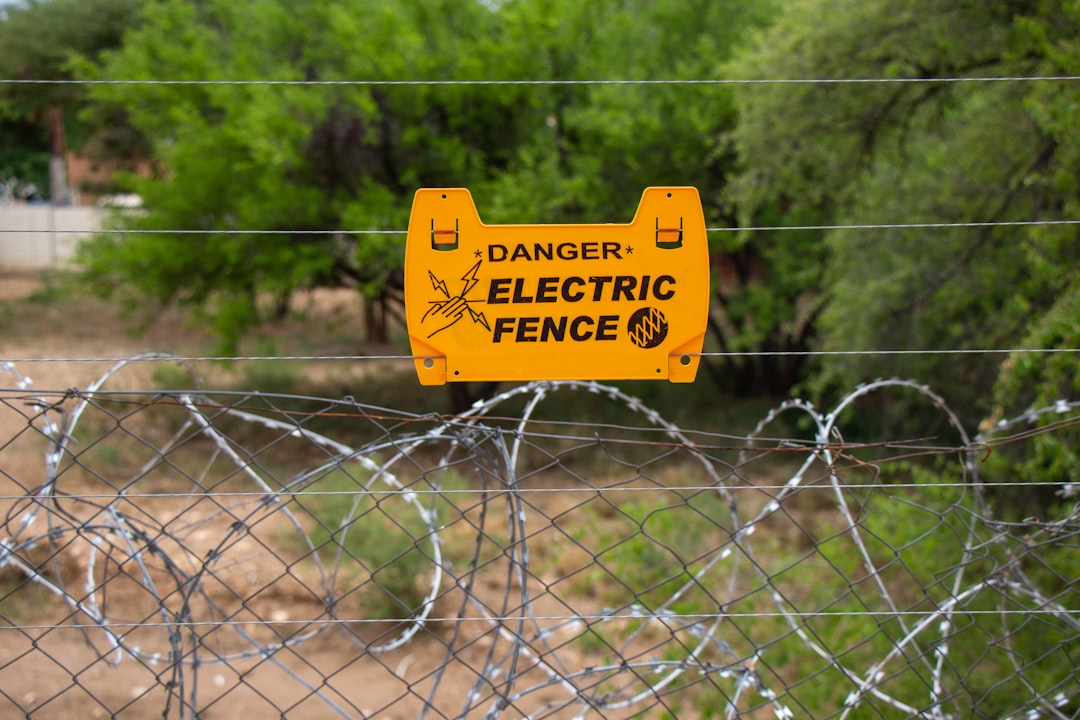
Understanding Electric Fence Pricing
Electric fence pricing in South Africa is typically quoted as a per-metre installed rate, but this number varies significantly based on: whether it is a standalone perimeter fence or a topper on an existing wall, the height of the fence (number of strands), the energiser specification, and whether the fence will be connected to an alarm system. A quote from one company that includes a compliant energiser, full wiring, and a Certificate of Compliance is not directly comparable to one that quotes only for the physical fence wire and brackets.
Types of Electric Fence Installations
- Wall topper (most common) — electric fence strands mounted on brackets above an existing palisade or precast wall. Typically 3–8 strands. The most cost-effective security upgrade for existing walling.
- Standalone electric fence — a complete free-standing electric fence system on galvanised steel posts, typically used as a perimeter fence where no wall exists. More expensive per metre as it includes the structural posts and concrete footings.
- Energised palisade — an energised palisade (high-security option) where the palisade itself carries an electric charge. Used at commercial and high-security residential properties.
Per-Metre Installed Costs (2026)
Wall topper:
- 3-strand wall topper — R80 to R130 per metre
- 5-strand wall topper — R120 to R180 per metre
- 8-strand wall topper (high-security) — R180 to R280 per metre
Standalone perimeter fence:
- Standard residential — R250 to R400 per metre installed
- High-security (more strands, anti-dig skirting) — R400 to R700 per metre installed
Energiser Costs
The energiser is the unit that powers the fence. It is priced separately from the fence itself in most quotes:
- Small residential energiser (1–2 joules, suitable for up to 100m) — R1,500 to R3,000
- Medium residential energiser (3–5 joules, 100–500m) — R3,000 to R6,000
- Large / commercial energiser (8–12 joules, 500m+) — R6,000 to R15,000
The energiser is connected to the alarm system so that a fence cut or short triggers the alarm. This integration typically costs an additional R500–R1,500 in labour and materials.
For a Typical Residential Property
A typical suburban home with 80–100m of perimeter wall and a 5-strand topper, a medium energiser, alarm integration, and a Certificate of Compliance would typically cost R18,000–R35,000 fully installed in 2026. Larger properties or properties requiring standalone fencing cost proportionally more.
Certificate of Compliance (EFSCC)
Every electric fence installation must be certified under the Electrical Machinery Regulations. The installer must issue an Electric Fence System Certificate of Compliance. Do not accept an installation without one — it is legally required, needed for property transfer, and insurance-critical. Ask for the EFSCC number and confirm it is valid on the EFC verification register.
Questions to Ask Every Installer
- Is the energiser sized for my full fence length, with 20% additional capacity?
- Does the quote include alarm integration?
- Do you provide a Certificate of Compliance on completion?
- What is the workmanship warranty period?
- Are you a registered electrical contractor?