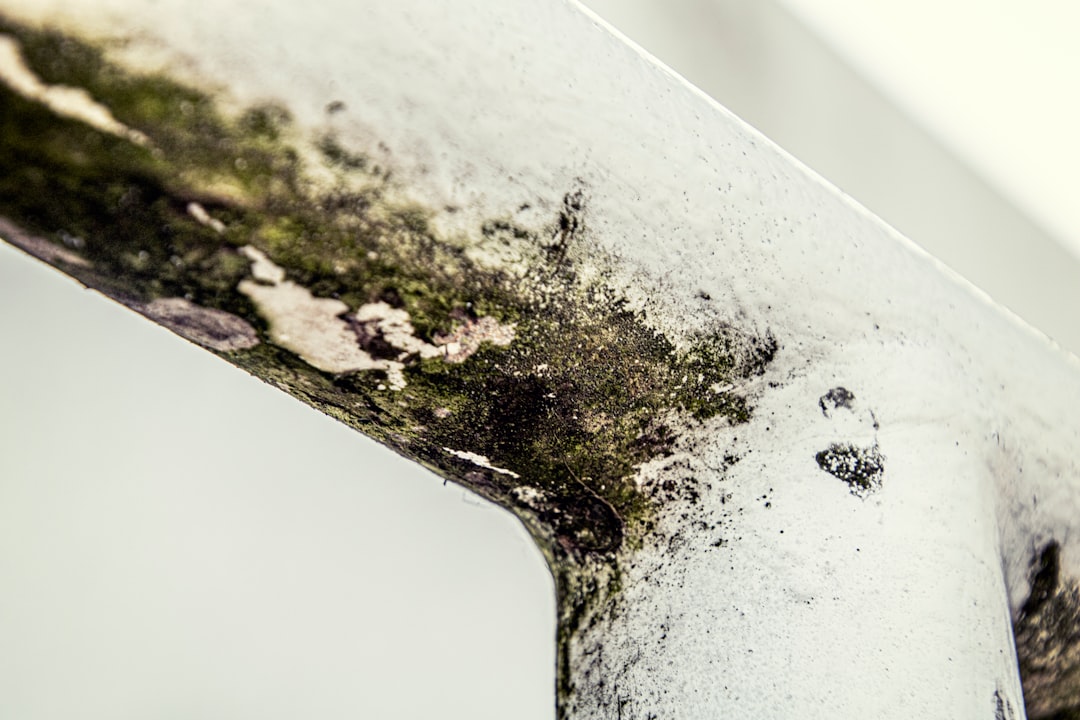
Why Winter Mould Is a Recurring Problem
In the Western Cape and along South Africa's eastern and southern coastlines, winter brings high humidity, sustained rain, and reduced ventilation. Cold surfaces combined with warm interior air create condensation on walls and ceilings. Add inadequate ventilation or any water ingress — a leaking window seal, rising damp, a defective roof — and the conditions for mould growth are met within days.
Mould is not just cosmetic. Certain moulds produce mycotoxins that cause respiratory irritation, allergic reactions, and in prolonged exposure, more serious health effects particularly in children, the elderly, and those with respiratory conditions. Treating it properly means removing it fully and addressing the moisture source that caused it.
Identifying What You Are Dealing With
Surface mould — black, green, or white spots on walls, ceilings, or window frames — is the most common presentation. It typically appears first in corners (where airflow is poorest and condensation accumulates), around windows, in bathrooms without extraction fans, and in poorly ventilated bedrooms.
Mould that is accompanied by a persistent musty smell, bubbling or staining paint, or wet patches in the plaster indicates water penetration or rising damp rather than surface condensation. These require structural remediation, not just surface cleaning.
Safe Removal — What Works and What Does Not
For surface mould on hard, non-porous surfaces (tiles, glass, metal, painted plaster that is still sound):
- Mix one part household bleach to ten parts water in a spray bottle
- Wear rubber gloves and an N95 mask — you should not inhale mould spores disturbed during cleaning
- Spray the affected area and leave for 10–15 minutes before scrubbing with a stiff brush
- Rinse with clean water and dry thoroughly
- For persistent staining, repeat the process or use a commercial mould remover product
For mould on porous materials (unpainted plaster, grout, silicone sealant, timber, fabric):
- Silicone sealant with mould penetration should be removed and replaced — no amount of surface cleaning will eliminate mould from silicone
- Severely moulded grout should be regrouted after cleaning
- Plaster that is soft, crumbling, or hollow-sounding should be hacked off and replastered — mould in the substrate will return regardless of surface treatment
- Moulded timber (window frames, skirting boards) should be treated with an antifungal timber treatment; severely affected sections should be replaced
Why It Keeps Coming Back
Cleaning visible mould without addressing the moisture source guarantees recurrence. Identify and fix:
- Ventilation deficiency — bathrooms without extraction fans, bedrooms with no window-opening habit, poorly ventilated roof spaces all contribute to persistent humidity. Install an extraction fan in the bathroom; open windows for at least 20 minutes daily even in winter.
- Window seal failures — cracked or missing silicone around window frames allows water ingress during rain. Replace degraded sealant before the next winter season.
- Rising damp — moisture wicking up from the ground through porous walls. Symptoms: damp patches that are low on the wall and worse in winter; efflorescence (salt deposits) on plaster. Requires a damp-proofing specialist.
- Roof or gutter leaks — ceiling mould caused by a leaking roof or overflowing gutters. Inspect gutters and downpipes; have a roofer inspect the roof covering.
- Cold bridging — uninsulated concrete lintels or steel components inside walls conduct cold to the interior surface, causing condensation. Thermal insulation or a warm-side vapour barrier addresses this.
After-Treatment Prevention
- Apply an antimicrobial paint or primer to previously moulded walls — several South African paint brands (Plascon, Dulux) offer mould-resistant formulations
- Use a dehumidifier in persistently damp rooms during winter — a unit sized for the room (50–70 litre per day capacity for a medium bedroom) can dramatically reduce ambient humidity
- Wipe down condensation on windows and window sills after cold nights rather than allowing it to remain and saturate the surrounding plaster
When to Call a Professional
Call a professional for: extensive mould covering more than one square metre; mould in the roof space or subfloor; mould that has penetrated deep into plaster or structural elements; or situations where the moisture source has not been identified despite cleaning attempts. A waterproofing contractor can diagnose the source of water ingress and propose remediation. A mould remediation specialist (less common in South Africa but available in major cities) can handle large-scale contamination safely.