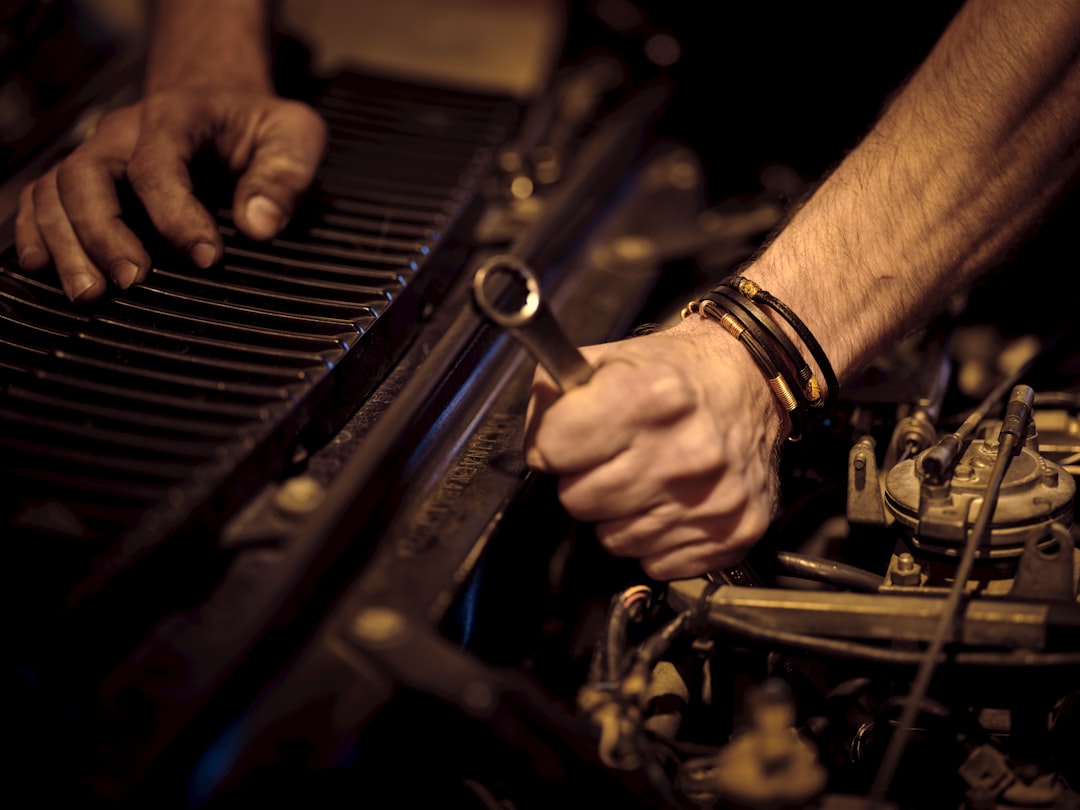
When your car needs repairs, you are in a vulnerable position — you know something is wrong, but you probably cannot verify exactly what or how serious it is. That information gap is where dishonest operators make their money.
South Africa has consumer protection legislation that gives you real rights when dealing with service providers, and there are straightforward steps you can take to reduce the risk of being overcharged or misled.
Start with Reputation, Not Price
The cheapest quote for vehicle repairs is rarely the best value. A workshop that underquotes to win your business may use inferior parts, cut corners on labour time, or add unplanned extras once your car is already on the lift. Price matters — but the starting point should always be reputation.
Ask people in your area who they use and trust. A recommendation from a friend, neighbour, or colleague who has used a workshop repeatedly for years is worth far more than any advertising. When you have a name or two, look for reviews from other customers. A consistent pattern of positive feedback across different types of repairs — servicing, diagnostics, mechanical work — is a strong indicator of a workshop worth trying.
For newer vehicles still within the manufacturer warranty period, be aware that you are not legally required to use a franchised dealership for routine servicing. The Consumer Protection Act protects your right to use any qualified workshop, provided genuine or equivalent-quality parts are used and the service is performed to the manufacturer's specification. Keep all receipts and service records.
Get a Written Quote Before Any Work Starts
Before a mechanic touches your vehicle for anything beyond a diagnostic inspection, you should have a written quote for the work. The quote should list the labour charges, the parts required (ideally with part numbers or descriptions), and the total cost including VAT.
Under the Consumer Protection Act, a service provider must obtain your consent before exceeding a quoted price. If additional problems are found once the car is disassembled, the mechanic must contact you, explain what was found, and get your approval before proceeding with additional work. A workshop that does extra work without your approval and then presents a larger bill is acting in violation of your rights.
For significant repairs — anything over R2,000 — it is worth getting a second opinion or a second quote. Take the first workshop's diagnostic assessment to a second workshop and ask what they would charge for the same work. This quickly reveals whether the first quote was reasonable.
Understand the Difference Between OEM, Genuine, and Aftermarket Parts
When your car needs parts, you will often be offered a choice between original equipment manufacturer (OEM) parts, genuine manufacturer parts, and aftermarket alternatives. Understanding the difference helps you make an informed decision rather than simply accepting whatever the workshop recommends.
Genuine parts are made by the vehicle manufacturer or their designated supplier and are typically the most expensive option. OEM parts are made by the same companies that supply the manufacturers, often identical in quality at a lower price. Aftermarket parts vary widely in quality — some are excellent, others are poor. For critical components like brakes, steering, and suspension, the quality of parts matters significantly for safety.
Ask the workshop what parts they plan to use, where the parts come from, and whether they carry a warranty. Reputable workshops will be comfortable answering these questions and will provide parts with a warranty that covers both the part and the labour to replace it if something fails.
Beware of Unnecessary Repairs and Upselling
One of the most common complaints about vehicle workshops is being told that additional work is urgently needed when it may not be. A worn component that has thousands of kilometres of safe life left may be presented as a safety emergency. The pressure to authorise additional work while your car is already at the workshop is a known tactic.
A simple defence: ask the mechanic to show you the worn or faulty component. Any honest mechanic will be happy to do this. Ask what the consequence of not replacing it immediately would be, how long it can safely wait, and what it would cost if you came back at the next service. If the answers are vague or the pressure to act immediately continues, ask for the car back unrepaired and get a second opinion.
For any work you authorise, ask what the warranty is on both parts and labour. Reputable workshops typically offer a three-month or 5,000-kilometre warranty on repairs, whichever comes first. If something fails within the warranty period, they should repair it at no charge.
Service Records and the Importance of Documentation
Keep every invoice, service record, and receipt from every workshop visit. These records are valuable in multiple situations: proving to a future buyer that your vehicle was properly maintained, making a warranty claim if a repair fails, and protecting yourself in a dispute about what work was or was not done.
Ask for the replaced parts back where possible, particularly for expensive items like brake pads, filters, or shock absorbers. A workshop that replaces a part should be willing to show you the old one. If they claim something was replaced but cannot produce the old component, that is a reason to ask further questions.
Red Flags That Signal a Problem
A workshop that will not provide a written quote before starting work is a red flag. A mechanic who is evasive when you ask to see the problem or the parts being replaced is a red flag. Pressure to authorise expensive additional work immediately, without time to consider or get a second opinion, is a red flag.
Unusually low quotes can indicate the use of poor-quality parts, inexperienced labour, or an intention to add extras later. A workshop that insists on cash only with no invoice is operating outside normal business practice. A quote that arrives as a single total figure with no breakdown of labour and parts gives you nothing to assess.
Quick Checklist Before You Authorise Repairs
- Check reviews from other local customers before choosing a workshop
- Get a written quote with itemised labour and parts before work starts
- For major repairs, get a second quote
- Ask what parts will be used and whether they carry a warranty
- Ask the mechanic to show you the faulty component
- Confirm they will contact you before exceeding the quoted price
- Ask what the warranty is on parts and labour
- Keep all invoices and service records
Reviews from people in your area who have used a workshop across different types of repairs — and especially how the workshop handled things when something went wrong — are the most reliable guide to a mechanic worth going back to.