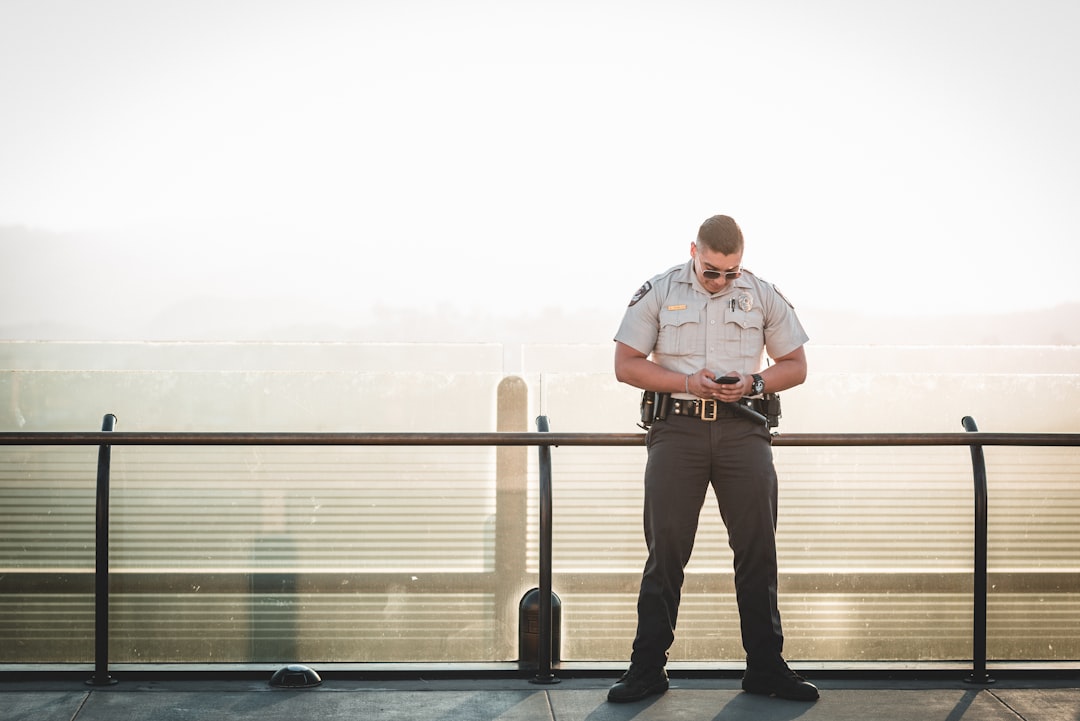
Manned guarding is one of the most widely used business security measures in South Africa — and one of the most variably delivered. The difference between a security company that deploys properly vetted, trained, and supervised guards and one that fills shifts with whoever is available on the day is enormous in practical security terms, but almost invisible on paper. Both companies have a PSIRA registration, both have uniforms, both can show you a company profile with photographs of officers at various sites. The due diligence required to distinguish them goes beyond checking the registration — it requires understanding how the company manages its workforce, what training guards receive, how they are supervised, and what the company's response is when a guard fails to perform.
This guide covers how to choose a security guard company in South Africa for a business context, what the regulatory framework requires, what a proper site assessment should look like, and the contract terms that protect you when things go wrong.
PSIRA Registration: The Legal Baseline
All security service providers and individual security officers in South Africa must be registered with PSIRA (the Private Security Industry Regulatory Authority) under the Private Security Industry Regulation Act (PSIRA Act). There are two levels of registration relevant here:
Security business registration: The company providing the service must be registered with PSIRA as a security service provider. Verify business registration on the PSIRA website using the company name or registration number.
Individual officer registration: Every security officer deployed at your site must be individually registered with PSIRA and must have completed the required training for their grade. PSIRA registration for individuals can also be verified online. A company that deploys unregistered officers is violating the PSIRA Act and exposing you to liability if an incident occurs involving that officer.
In practice, ask the company to provide you with the PSIRA registration number for the business and confirm that all officers deployed to your site are individually registered. Ask what their process is for verifying officer registration before deployment and how they handle an officer whose registration lapses.
Guard Grading: What PSIRA Grades Mean
PSIRA has a grading system for security officers based on training level:
Grade E: Entry-level security officer training. Basic access control, patrolling, and response procedures. Appropriate for low-risk access control at a single point of entry.
Grade D: Intermediate level. Cash handling, crowd management, basic vehicle recognition. Often deployed at retail environments and events.
Grade C: Supervisory level. Can supervise Grade D and E officers. Appropriate for site supervisors responsible for multiple officers.
Grade B and A: Senior management and specialised grades. Training in tactical response, firearms handling (if authorised), and complex security management.
The grade required for your site depends on the nature of the security risk, the level of interaction with the public or vehicles, and whether cash handling or specialised access control is involved. A company that deploys Grade E officers for a site requiring Grade C supervision is not meeting the appropriate standard — and is likely doing so to reduce costs.
What a Proper Site Security Assessment Includes
Before any reputable security company proposes a guarding solution, they should conduct a site security assessment. This is not a sales visit — it is a professional evaluation of your specific risk profile. A proper assessment covers:
Physical site survey: Perimeter access points, lighting levels, CCTV coverage (existing and gaps), storage of high-value assets, parking areas, visitor flow patterns, and any areas of particular vulnerability.
Risk assessment: What crimes have occurred at or near your site in the past? What is the threat profile of the surrounding area? Is the primary risk theft, vehicle crime, armed robbery, or access control management? The answer determines the appropriate security response.
Proposed deployment: Based on the assessment, how many guards are recommended, at what grades, on what shift structure, with what duties? A company that proposes identical guard numbers and grades for every client regardless of site assessment is not doing a real assessment.
Technology integration: Does the proposed solution include CCTV monitoring, panic buttons, guard tour systems (electronic verification that guards are completing patrol routes), or armed response backup? Manned guarding in isolation without technological support is less effective than an integrated approach.
What the Service Level Agreement Must Cover
The SLA (Service Level Agreement) between you and the security company is the document that defines what you are paying for and what happens when delivery fails. A thin or vague SLA protects the security company, not you. Key SLA elements:
Guard specifications: The grade, training level, and minimum experience required for officers deployed to your site. If the company can sub-standard personnel into your site and the SLA does not specify otherwise, they will.
Supervision and management visits: How often does a supervisor physically visit the site to inspect guards and address issues? Weekly visits at minimum for a standard deployment; daily for higher-risk sites. A company that never visits your site once the contract is signed is collecting fees without managing performance.
Response time commitments: If an incident is reported, what is the contracted response time? This must be a specific timeframe, not a vague "as quickly as possible."
Guard replacement: What is the guaranteed timeframe for replacing a guard who fails to arrive for a shift? An unguarded shift is a contractual breach — the SLA should specify both the timeframe for resolution and the compensation or credit mechanism.
Incident reporting: What reports are provided after any incident, how quickly, and in what format? A quality security company provides written incident reports to the client within 24 hours of any significant event.
Contract term and termination: Many security companies insist on 12-month or 24-month contracts with significant notice periods. Negotiate for a reasonable notice period (30–60 days) and ensure the termination clause is clear.
Vetting: The Most Important Differentiator
A security officer who has a criminal record for assault or theft and is placed at your site is not a security solution — they are a liability. Guard vetting quality is the single most important differentiator between security companies, and it is also the most difficult to verify from the outside.
Ask the security company directly: what background checks do you run on every officer before deployment? The minimum standard should include a South African Police Service (SAPS) criminal record check, a National Credit Regulator check (financial stress is a crime risk factor), and employment history verification. Companies that only verify PSIRA registration without conducting criminal background checks are deploying officers they do not know.
Ask for the company's vetting policy in writing. If they are reluctant to share this, treat it as a concern.
Quick Checklist Before You Sign a Contract
- Verify PSIRA registration for the company on the PSIRA website
- Request confirmation that all deployed officers will be individually PSIRA registered
- Ask for the site assessment in writing before accepting a proposal
- Confirm the PSIRA grade of officers being proposed and that it matches your site requirement
- Review the SLA carefully — vague SLAs favour the security company, not you
- Ask specifically about the vetting process — what checks are run and can you see the policy?
- Ask how often supervisors visit the site and request records of previous client supervision visits
- Get at least two quotes and compare both price and SLA quality — not just price
A security company that guards your premises is trusted with access to your site, your staff, and your assets around the clock. The choice of provider is a serious trust decision, not a commodity price comparison. Reviews from other businesses who have used a security company over a sustained period — including reviews that describe how the company responded when something went wrong — are the most useful input available. KiesSlim reviews for security companies in your area give you that real-world, post-deployment picture of performance.