Home security is not a product category where the cheapest option is a reasonable choice. In South Africa, where residential crime rates make physical security a genuine necessity for most households, the difference between a well-implemented security system with a fast-responding armed response company and a poorly installed alarm with a slow or non-existent response is measured in real risk. At the same time, the security industry has its share of operators who oversell equipment, lock customers into long contracts that are difficult to exit, and fail to deliver the response times they advertise.
This guide covers the registration requirements that apply to all security companies, how to evaluate armed response SLAs honestly, what a good monitoring contract should contain, which equipment investments matter most, and how to avoid the contract traps that are common in this industry.
PSIRA Registration Is Non-Negotiable
The Private Security Industry Regulatory Authority (PSIRA) regulates all private security service providers in South Africa under the Private Security Industry Regulation Act. Every security company and every individual security officer must be registered with PSIRA. A company operating without PSIRA registration is doing so illegally and has no legal authority to provide security services.
PSIRA registration is verifiable on the PSIRA website using the company name or registration number. When engaging any security company — for armed response, alarm installation, or guarding services — ask for their PSIRA registration number and verify it. PSIRA also maintains records of disciplinary actions, which can reveal a company's track record. For individual armed response officers who access your property, they must also be individually registered — ask whether the company's field staff are all PSIRA registered as individuals.
PSIRA registration doesn't guarantee quality, but it establishes basic legal standing. A company operating without it has self-selected out of accountability, which should end the conversation.
Armed Response — Evaluating Response Times Honestly
Response time is the single most important operational metric for an armed response company, and it's the figure most commonly misrepresented in sales pitches. "Average response time of 4 minutes" sounds impressive but is statistically meaningless — the average includes quiet periods at 3am and can be driven down by a handful of very fast responses while the typical experience in peak periods is 15–20 minutes.
Ask for response time data specific to your suburb and time of day, not the company average. Ask how many response vehicles are deployed in your area and what their concurrent call capacity is. Ask what happens to response time during a spike in alarm activations (storm events trigger false alarms across large areas simultaneously — this is when you learn whether a company is actually resourced). A company that can answer these questions with specifics is operating with actual service level visibility; one that deflects to marketing averages probably isn't.
Talk to neighbours and your local neighbourhood watch or CPF (Community Policing Forum) about which companies are actually responsive in your area. Local reputation for response quality is far more useful than national advertising. The fastest company nationally may have poor coverage in your specific suburb if they've oversold their capacity.
Monitoring Contracts — What to Read Carefully
Armed response typically comes with a monthly monitoring contract that includes 24/7 signal monitoring, response to activations, and follow-up protocols. These contracts range from R200 to R800+ per month depending on service level and location, and they almost universally include a minimum contract term of 24 to 36 months with early termination penalties.
Before signing, read the contract for: the exact response protocol (how many signals trigger a response, how do they verify an activation before dispatching?); what the company's liability is if they fail to respond within their stated SLA; what happens to the contract if you move house; the escalation mechanism for complaints; and the early cancellation fee and how it's calculated. A contract that doesn't specify the company's response SLA in measurable terms and impose any consequence for failure is effectively a one-sided commitment — you pay regardless, they respond when convenient.
The Consumer Protection Act gives you the right to cancel a fixed-term contract with 20 business days' notice, subject to a reasonable penalty. A security company that quotes a cancellation penalty in excess of three months' fees should be negotiated with before signing, not after.
Alarm Equipment — What Actually Matters
The South African residential security equipment market has expanded significantly, and companies now offer everything from basic alarm systems to CCTV, electric fencing, beams, smart locks, and app-based monitoring. Not all of these investments deliver equal risk reduction for the same spend.
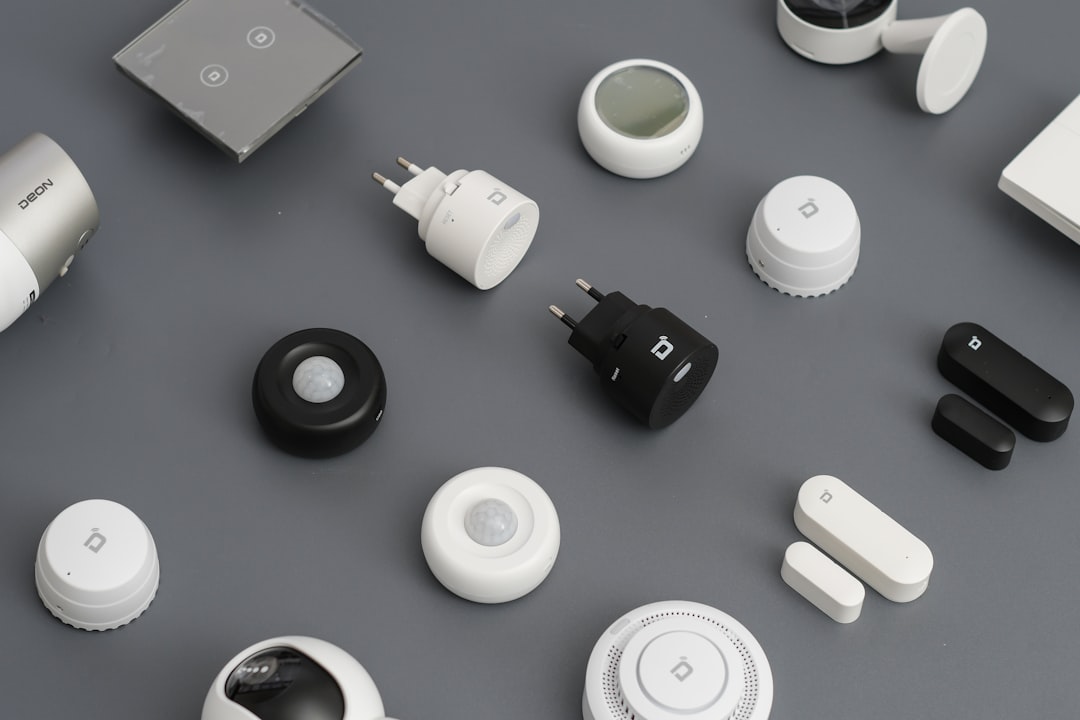
The highest-impact investments for most residential properties are: a monitored alarm with interior motion sensors covering all primary access points; exterior beams or PIR sensors in the garden to provide pre-breach warning; CCTV covering access points (front gate, garage, front door) with sufficient resolution to be evidentiary; and electric fence or wall spikes on the boundary perimeter as a deterrent and delay mechanism. Panic buttons — on keyfobs and positioned inside the home — are underrated and inexpensive.
Camera quality is frequently undersold by installers offering cheap systems. A 2MP camera recorded at low bitrate produces footage that looks acceptable on a phone screen and is useless for police or insurance purposes. Ask specifically about camera resolution, storage duration (minimum 30 days), and whether the system has backup power to maintain recording during load-shedding. A CCTV system that goes offline the moment Eskom cuts power has a significant coverage gap during the periods when you need it most.
Equipment Ownership and Service Terms
A common practice in the South African security industry is to provide alarm equipment at low or no upfront cost and lock the customer into a long contract where the company retains ownership of the equipment. At the end of the contract (or if you cancel), the equipment is removed. This model is often presented as a benefit ("free installation") but the total cost over a 36-month contract frequently exceeds the purchase price of equivalent equipment outright.
Ask explicitly: who owns the equipment at the end of the contract? If the answer is the company, get the total contract value and compare it to the cost of buying the equipment independently and engaging a monitoring-only service. Many homeowners who've done this comparison find that equipment ownership pays off within two contract cycles.
Quick Checklist Before You Sign
- Verify PSIRA registration on the PSIRA website before engaging any security company
- Ask for response time data specific to your suburb and time of day — not company averages
- Talk to neighbours about actual experience with response companies in your street
- Read the monitoring contract for SLA commitments, cancellation terms, and liability clauses
- Confirm who owns the installed equipment at the end of the contract period
- Ask about camera resolution, storage duration, and backup power for CCTV systems
- Confirm that all armed response field officers are individually PSIRA registered
- Compare total contract cost against outright equipment purchase before committing
Security companies are one category where reviews from people in your actual suburb carry significantly more weight than overall ratings — a company that performs well in one area may be understaffed in yours. KiesSlim lists security companies across South Africa with verified customer reviews, and you can filter by area to see what your neighbours are saying about the companies operating near you.