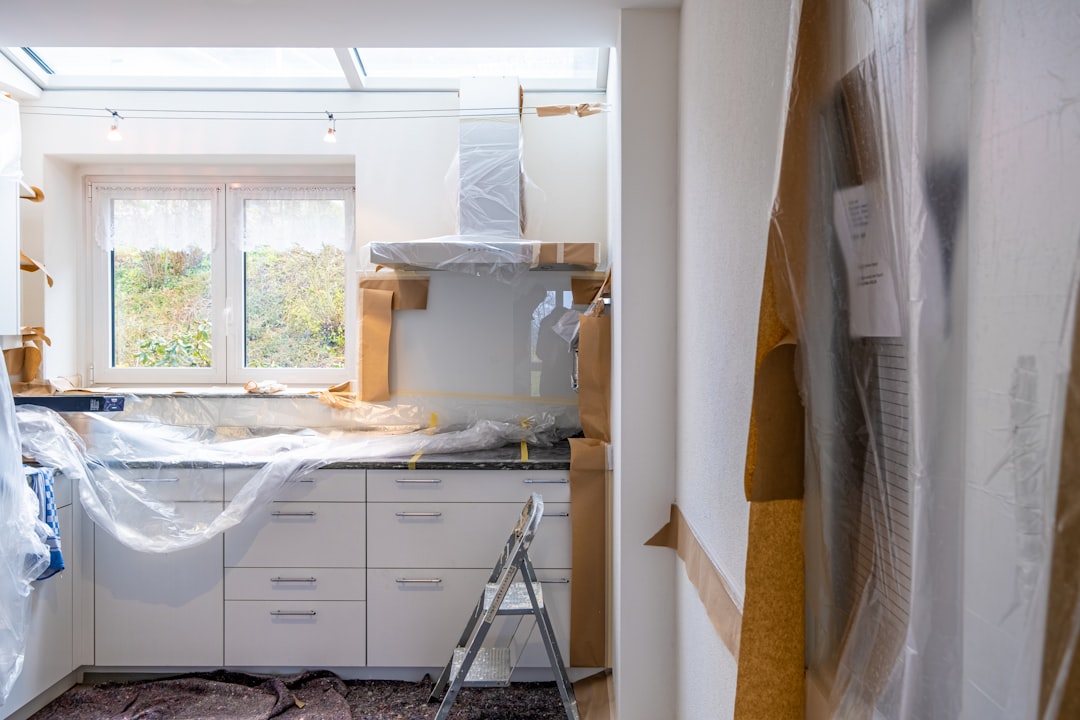
Why Renovation Budgets Fail
A survey of South African homeowners who have completed a renovation in the past three years would likely show that a significant majority spent more than they originally planned. This is not because contractors are dishonest or because owners are naive — it is because renovations are genuinely complex, conditions inside walls and under floors are unknowable in advance, and the pricing of finishes and fittings is easy to underestimate until you are standing in a tile showroom.
A renovation budget that works is one built with realistic numbers, proper contingency, and a clear understanding of where costs tend to escalate. This guide walks through how to build one.
Define the Scope Before You Price Anything
The most expensive mistake in renovation budgeting is starting to get quotes before the scope is clearly defined. Contractors pricing a vague brief give you vague prices that bear no relationship to what the job will actually cost once decisions are made.
Before approaching any contractor, define:
- Exactly which rooms or areas are being renovated
- What is being replaced or changed in each area (not "update the bathroom" — "replace the bath with a shower, retile floor and walls, replace the vanity and basin, replace the toilet")
- The finish level you want — budget, mid-range, or premium. This has a bigger impact on cost than almost any other variable.
- What you are doing yourself versus what you are contracting out
- Whether there will be any structural changes (removing walls, changing door or window positions)
A detailed scope document lets you get comparable quotes and hold contractors accountable to a defined brief.
Rough Cost Benchmarks by Project Type (South Africa, 2026)
These are indicative ranges for mid-range finish levels. Premium finishes can double or triple these figures; budget finishes can reduce them by 30% to 40%.
- Kitchen renovation (full refit, mid-range) — R80,000 to R200,000 for a standard-sized kitchen, including new cabinets, countertops, splashback, appliances, plumbing connections, and electrical work. Kitchens are almost always more expensive than owners expect.
- Bathroom renovation (full refit, mid-range) — R40,000 to R100,000 including new shower or bath, toilet, vanity, tiles, plumbing, and electrical
- Tiling (floor or wall, per square metre installed) — R350 to R700/m² for mid-range tiles installed; R800 to R1,500/m² for premium large-format tiles or stone
- Painting (interior, per room) — R2,500 to R5,000 per room for two coats including preparation
- Adding a room or extending (per square metre) — R8,000 to R20,000/m² depending on finishes and structural complexity
- Roof replacement (IBR sheeting, standard house) — R60,000 to R150,000 depending on size and access
- Electrical rewiring (partial) — R15,000 to R50,000 depending on scope
The Contingency — Non-Negotiable
Add a minimum 15% contingency to every renovation budget. For older homes, structural work, or projects involving any demolition, use 20% to 25%.
The contingency is not for changing your mind about finishes — it is for discovering that the wall you are opening contains asbestos, that the bathroom plumbing is corroded beyond repair, or that the floor level is 40mm off and the new tiles will not work without relevelling. These discoveries happen in virtually every renovation. They are not the contractor's fault. They are the nature of working inside existing structures.
A homeowner who spends the contingency on upgraded finishes midway through the project and then encounters a genuine hidden problem is the most common source of the "it went way over budget" story.
Managing Contractor Payments
South African renovation contractors typically structure payments in stages. A standard and fair payment structure:
- 10% to 20% deposit on signing — covers mobilisation and materials ordering
- Progress payments at defined milestones (typically 25% to 30% each at agreed stages)
- 5% to 10% retention held until the completion punch list is signed off
Never pay more than 50% of the total contract value before work is substantially underway. Never pay the final retention until you have walked through every item on the punch list and confirmed it is resolved. The retention is your only real leverage once the contractor considers the job complete.
Finishes — Where Budgets Balloon
Finishes (tiles, taps, light fittings, cabinetry handles, countertop materials) are where most renovation budgets exceed their initial estimate. The range between the cheapest and most expensive tile at a tile showroom is 10:1 or more. The difference between a budget tap and a designer tap is R800 versus R8,000 for the same function.
Set a finishes budget before you go shopping, and stick to it. It helps to visit a showroom early in the planning process to calibrate your expectations against actual prices — many homeowners build their initial budget based on price assumptions formed years ago that bear no relationship to 2026 market prices.
Hidden Costs to Budget For
- Rubble removal — skips and rubble removal cost R1,500 to R4,000 per load; a full bathroom demolition may require two or three loads
- Temporary accommodation — if renovating the main bathroom or kitchen, budget for the inconvenience cost
- Electrical Certificate of Compliance — required after any electrical work; R800 to R3,000 depending on scope
- Building plans and approval fees — required for structural changes; R5,000 to R20,000 depending on the municipality and the complexity of the submission
- Project management — if you are not managing the project yourself, a project manager typically charges 10% to 15% of the construction cost
The Bottom Line
A renovation budget built on a clear scope, realistic benchmarks, a genuine contingency, and staged payments to accountable contractors is the one that survives contact with reality. Do not start a renovation without all three elements in place — the cost of discovering mid-project that you have run out of money is far higher than the cost of planning properly before you begin.