The Appeal of Both Options
Fireplaces have become a popular home feature across South Africa — not just in the cold highveld and Western Cape winters, but as a year-round aesthetic feature in living rooms and entertainment areas. The choice between wood-burning and gas is not merely aesthetic. It affects installation requirements, daily running costs, maintenance obligations, and the ambience you actually experience.
Wood-Burning Fireplaces
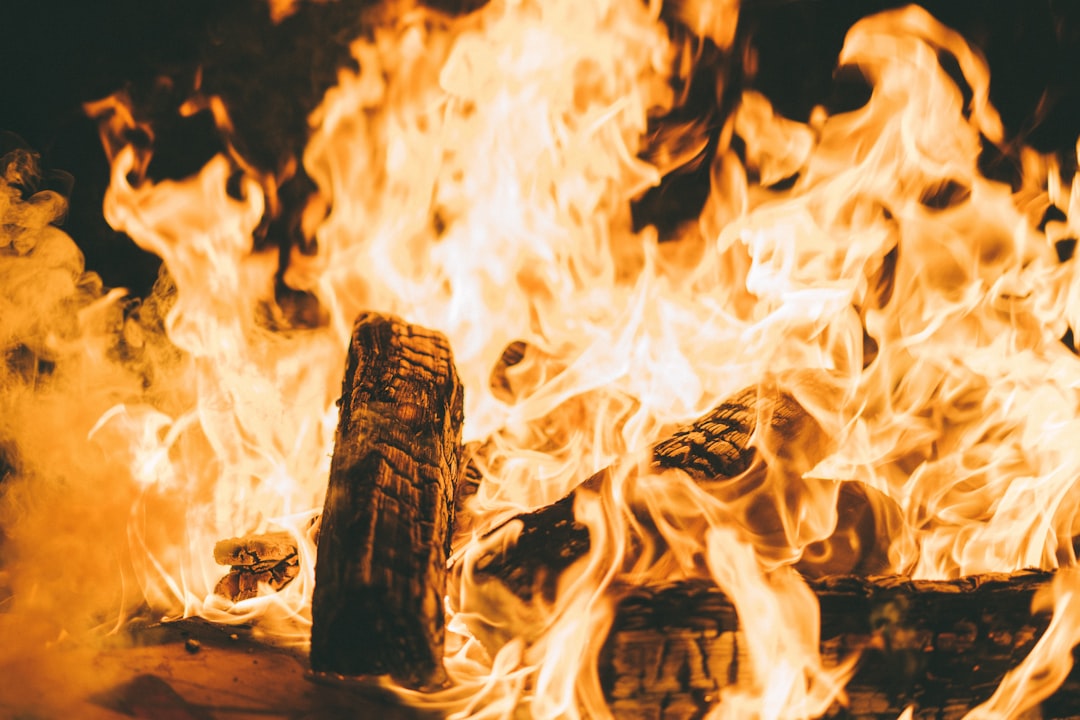
The experience: The crackle, the smell, and the visual of real flames from burning wood is genuinely different from gas — more primal, more variable, and for many people more satisfying. Wood-burning fires also radiate more intense radiant heat than most gas options at equivalent cost.
Types:
- Open fireplace — traditional masonry or prefabricated steel open hearth. Most heat goes up the chimney (only 10–20% efficiency). Beautiful but thermally inefficient.
- Closed combustion fireplace / wood stove — a sealed unit with a glass door and controlled air supply. 65–80% efficiency. Significantly more heat into the room per log burned. The practical choice if heating is the primary goal.
Installation cost: A closed combustion fireplace installed (unit + flue + installation labour): R15,000 to R45,000 depending on the unit quality and the flue routing complexity. An open masonry fireplace built from scratch: R20,000 to R60,000.
Running costs: A face cord (approximately 0.75 cubic metres) of dry hardwood (rooikrans, bluegum, or black wattle) costs R600–R1,200 in most South African areas. A closed combustion unit running for three hours per evening on a typical winter night uses approximately a quarter of a face cord per week — R75–R150 per week. Running costs are highly variable depending on wood type and source.
Maintenance: Chimney sweeping annually (R800–R1,500); glass cleaning; ash removal. Requires storing dry wood — a minimum of two months' supply in a dry, ventilated location.
Gas Fireplaces
The experience: Modern gas fireplaces with ceramic log or pebble sets are visually convincing but lack the sound, smell, and variable flame movement of real wood. Many owners find them more convenient but less emotionally satisfying. Gas is, however, significantly more controllable — you can set a consistent heat level and turn it on and off instantly.
Types:
- Natural gas (piped) — available in some urban developments; requires a piped gas connection. Most convenient ongoing but limited availability.
- LPG (cylinder gas) — a 19kg gas cylinder connected via flexible hose. Most common in South Africa. A 19kg cylinder costs R450–R600 and lasts approximately 30–50 hours of fireplace use depending on the heat output setting.
Installation cost: A gas fireplace insert (freestanding or built-in) with a flue: R12,000 to R35,000 installed by a licensed gas installer. All gas appliance installations must comply with SANS 10087 and be done by a registered gas installer who issues a Certificate of Conformity.
Running costs: At 30–50 hours per 19kg cylinder costing R500, the cost per hour of use is R10–R17. At three hours per evening, that is R30–R50 per evening, or R210–R350 per week. Gas is typically more expensive per unit of heat than wood in South Africa.
Maintenance: Annual service by a gas technician (R600–R1,200); cylinder exchange as needed. No ash, no chimney sweeping, no wood storage.
Which Suits Your Situation
Choose closed combustion wood if: you want maximum heat output, you enjoy the ritual of a real fire, you have access to affordable firewood, and you can manage the maintenance. Choose gas if: you want instant-on convenience, minimal maintenance, and a cleaner option in a modern or lock-up-and-go home. Both are good; neither is objectively better — the right answer is the one that matches how you will actually use it.