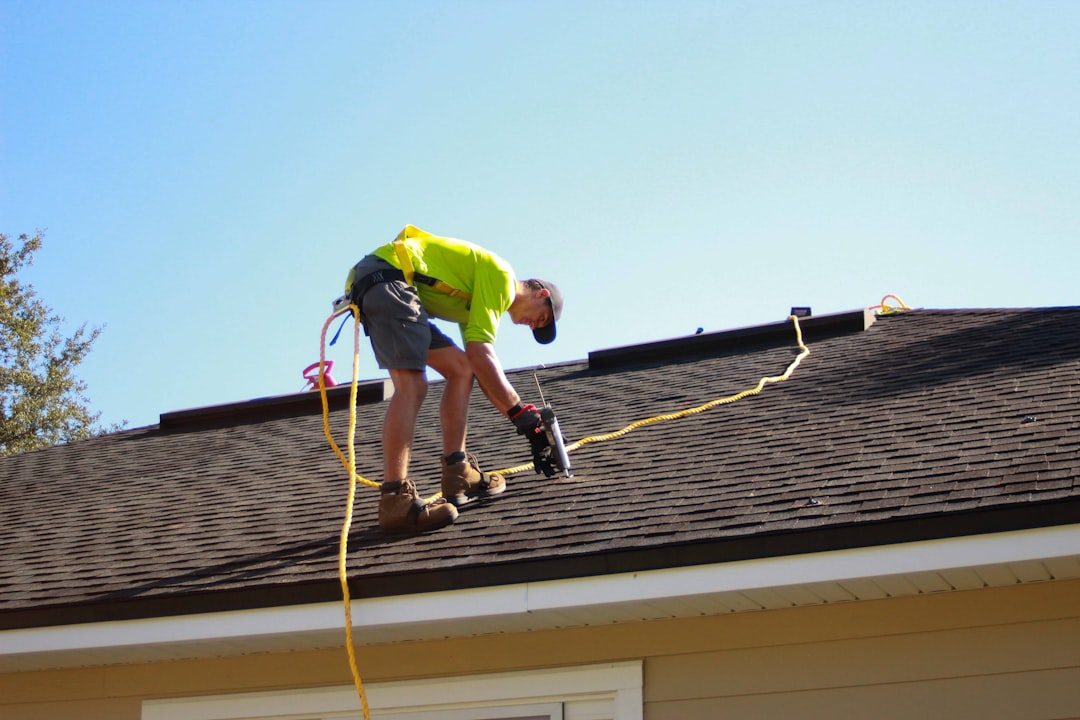
A leaking roof is the home emergency most likely to escalate from a manageable repair into a structural problem if not addressed promptly and properly. Water finding its way through a compromised roof surface damages ceiling boards, roof structure timber, insulation, and eventually causes mould that persists long after the leak is fixed. South Africa's summer thunderstorm season and Cape Town's winter rain front are predictable catalysts — every year, the same storm season brings a wave of homeowners who ignored a minor leak for two seasons and are now facing a significantly more expensive repair. Understanding what roof repairs should cost gives you the baseline to assess whether a quote is reasonable and the vocabulary to ask the right questions.
This guide covers what roof repairs realistically cost in South Africa in 2026, across the most common roof types and repair scenarios — from a single tile replacement to full waterproofing and re-roofing.
Roof Types and Why They Matter for Pricing
South African residential roofs fall into a few main categories, each with different repair and maintenance characteristics:
IBR (corrugated steel sheeting) and Chromadek: The most common roof type in South Africa for mid-range housing. Steel sheeting roofs are relatively cheap to repair and replace but are vulnerable to corrosion at fixings, ridge caps, and penetration points. Common leak points: failing ridge cap, corroded or loose screws, deteriorating rubber washers on fixings, and rust perforations in lower-grade sheeting.
Clay roof tiles: Traditional and visually appealing. Clay tiles themselves are extremely durable (50+ years) but the bedding mortar that holds ridge and hip tiles fails every 15–25 years. Broken individual tiles are common after hail or storm events. Leak points: broken tiles, failed mortar on ridge/hip, cracked or missing flashings around chimneys, skylights, and penetrations.
Concrete roof tiles: Similar to clay but less durable (30–40 year lifespan) and prone to algae growth and colour fading. Same failure points as clay but surface erosion becomes a leak mechanism in older concrete tiles.
Flat and low-pitch roofs: Found on extensions, garages, and flat-roof homes. Waterproofed with bitumen, torch-on membrane, acrylic, or polyurethane systems. These require the most regular maintenance — typically every 5–10 years — and are the most common source of persistent domestic leaks when the waterproofing membrane fails.
Single Repairs: What Minor Work Costs
Small roof repairs are the entry point. The challenge is that a single broken tile or a failed ridge mortar section is easy to quote but sometimes conceals more extensive underlying problems. A responsible roofer will inspect the surrounding area and let you know if the visible defect is isolated or part of a broader condition.
Common minor repair costs:
Single or multiple broken clay/concrete tiles replaced: R600–R1,500 for the call-out and first tile; R80–R200 per additional tile if more are replaced in the same visit. Tile matching (finding a tile of the same profile and colour for an older roof) sometimes requires sourcing from suppliers — add R300–R800 for sourcing unusual profiles.
Ridge tile repointing (re-bedding loose ridge tiles in mortar): R120–R200 per linear metre for mortar repointing. A full hip-and-ridge repoint on a typical suburban roof (30–50 linear metres): R4,000–R10,000 including scaffolding where required.
IBR sheet replacement: R800–R2,000 per sheet replaced, including new fixings and sealants. Replacing corroded ridge caps on IBR: R150–R300 per linear metre.
Flashing repair or replacement (around chimneys, skylights, penetrations): R1,200–R3,500 per penetration depending on complexity. Failed flashings are one of the most common sources of persistent leaks and are frequently overlooked in a surface-only inspection.
Waterproofing: Flat Roofs and Parapet Walls
Flat roof waterproofing is the most nuanced repair category and the most frequently mispriced. The system matters — applying a coat of acrylic waterproofing over a failed bitumen membrane is a short-term patch that delays the proper repair. The substrate condition, the correct product for that substrate, and proper preparation (cleaning, priming, detailing at edges and penetrations) determine whether a waterproofing job lasts 3 years or 12.
Flat roof waterproofing systems and indicative costs per square metre (supply and apply, 2026):
- Acrylic waterproofing (2-coat system with reinforcing mesh): R120–R220/m²
- Polyurethane waterproofing (cold-applied, high elasticity): R200–R350/m²
- Torch-on bitumen membrane (APP or SBS modified): R180–R300/m²
- HDPE or TPO single-ply membrane: R250–R450/m²
For a 60m² flat garage roof: acrylic system R7,200–R13,200; torch-on R10,800–R18,000; polyurethane R12,000–R21,000. These costs assume the substrate is sound — if the concrete slab or screed needs repair before waterproofing, add R80–R180/m² for surface preparation.
Any waterproofing quote without a specified product name and system description is impossible to evaluate. Ask specifically: what product is being used, what is the manufacturer's specified application rate, and what is the product warranty period?
Full Re-Roofing: When Repair Is Not Enough
A roof that has multiple failure points, where the substrate (battens, sarking felt, roof timber) has deteriorated, or where the sheeting or tiles are beyond their service life, is a candidate for full re-roofing. This is significantly more expensive than piecemeal repairs but delivers a known-condition roof with a full lifespan ahead.
Full re-roofing costs (supply and install, stripping existing roof, 2026):
- IBR sheeting replacement: R350–R550/m² of roof area
- Concrete tile replacement: R450–R700/m²
- Clay tile replacement (with mortar ridges): R550–R900/m²
For a 120m² roof (typical suburban home): IBR re-roof R42,000–R66,000; concrete tiles R54,000–R84,000; clay tiles R66,000–R108,000. These figures include stripping the old roof, replacing damaged battens, and installing new underfelt (sarking) where required.
Timber structural repairs (replacing rotten or termite-damaged rafters, battens, or purlins) are priced separately and can add R5,000–R30,000 depending on extent of damage found during strip-out.
Red Flags in Roofing Quotes
The roofing industry in South Africa has a significant proportion of operators who give attractive quotes and do poor work. Key warning signs:
A quote that does not specify materials (product names, gauges, brand) is a quote you cannot evaluate or enforce. "Waterproofing" is not a specification — "two coats of Chryso Proof 310 at 0.8kg/m² per coat with Chryso mesh at penetrations" is a specification.
Requesting large upfront deposits (more than 30–40%) before starting work is a risk. Payment tied to completion milestones protects you if the contractor disappears mid-job — which happens more in roofing than in most trades.
A verbal-only warranty. Any workmanship warranty should be in writing. A one-year warranty on a waterproofing job is the minimum; five years is achievable with quality products and correct application.
Quick Checklist Before You Accept a Quote
- Get at least three quotes — roofing price variation for the same job is often 40–60%
- Insist on itemised quotes specifying materials by product name and brand
- Ask the contractor to walk you through what they found in their inspection before quoting
- For any flat roof waterproofing: ask what system is being used and what the manufacturer's warranty is
- Confirm payment milestones — avoid paying more than 30–40% upfront
- Get the warranty in writing and confirm what it covers
- Check that the contractor will inspect flashings at all roof penetrations, not just the visible surface
- Read reviews from previous clients — roofing quality only reveals itself in the next rain season
A roof repair done correctly is invisible. One done poorly shows itself the next time it rains — or six months later when you open a ceiling board and find the timber has been wet for months. Investing the time to find a roofer with a genuine track record, verified through reviews on KiesSlim from homeowners who have experienced a full rain season after the repair, is the most reliable way to avoid becoming a cautionary tale.