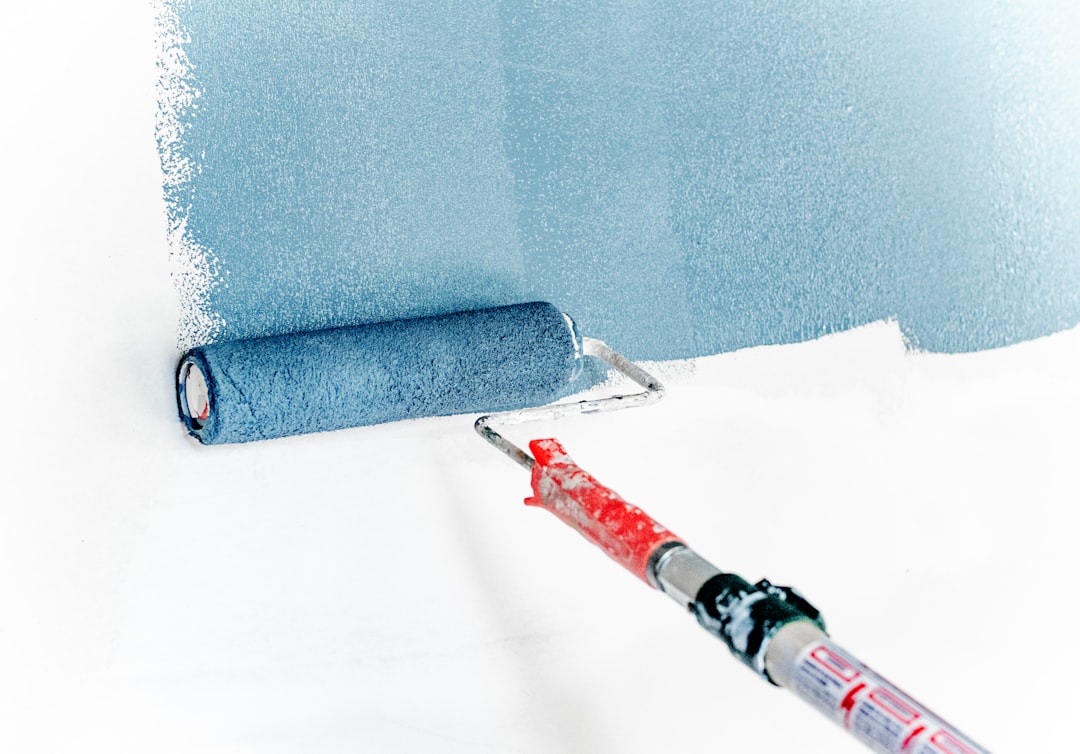
Painting is one of the most frequently attempted DIY home improvement projects in South Africa — and one of the most frequently done badly. The consequences are visible: streaky finishes, peeling paint within 18 months, incorrect paint system on exterior surfaces, inadequate preparation leaving bare plaster taking on moisture, and colour choices that look very different on the wall than they did on the chip. Professional painting costs more than doing it yourself, but the gap between a professional result and a DIY result is often larger than homeowners expect. Understanding what professional painting should cost and what it should include is the starting point for a sensible decision.
This guide covers what residential painting realistically costs in South Africa in 2026, for both interior and exterior applications, what the quality differentiators are between paint systems, and how to evaluate whether a quote represents genuine value.
Interior Painting: What Affects the Cost
Interior painting quotes in South Africa are typically per square metre of wall area, or per room as a fixed price. The key variables:
Surface condition and preparation: New plaster, recently skimmed walls, or walls in good condition require minimal preparation. Walls with cracks, water stains, chalking old paint, or poorly applied previous coatwork require significantly more preparation — filling, sanding, priming bare areas, applying a penetrating sealer on chalky surfaces. Preparation can add 30–50% to the time required for a room and should be quoted as part of the job, not discovered as an add-on on completion.
Paint quality: South Africa has a well-developed paint market. Premium brands (Plascon, Dulux, Prominent Paints) offer interior paints ranging from economy grades (thin coverage, shorter lifespan) to premium grades with superior opacity, washability, and colour retention. A quality interior paint like Plascon Velvaglo or Dulux Endurance costs R350–R650 per 5L tin. Economy paints are R180–R280 per 5L. The coverage difference means a premium paint applied at correct film thickness covers 50–60m² per 5L, while an economy paint at the same film thickness covers 35–45m². Over a large house, the premium cost is real.
Number of coats: A professional paint job for new plaster or a colour change typically requires a primer/sealer coat plus two topcoats. Repainting an existing surface in a similar colour with good adhesion may require only a preparation coat and two topcoats. Quotes that specify "one coat" for a new plaster surface are cutting preparation and coverage — the result will show.
Interior Painting Cost Ranges
Labour rates for interior painting in South Africa (2026):
- Standard interior painting, preparation included, two topcoats: R35–R65 per square metre of wall area
- New plaster or major preparation required: R50–R85 per square metre
- Ceiling painting (separate from walls, more labour-intensive): R40–R75 per square metre of ceiling area
- Woodwork (door frames, window frames, skirting, doors): R150–R300 per door or frame; R60–R120 per linear metre of skirting
For a standard 3-bedroom home interior (approximately 300m² of wall area including ceilings, excluding feature walls and woodwork): R12,000–R22,000 in labour, plus R6,000–R10,000 for paint supply, for an all-in total of R18,000–R32,000.
Individual room painting costs:
- Standard bedroom (30–35m² wall area): R1,500–R3,000 including paint
- Open-plan lounge and dining (50–60m² wall area): R2,500–R5,000 including paint
- Kitchen (tiled splash areas excluded): R1,200–R2,500 including paint
Exterior Painting: A Different System Entirely
Exterior painting in South Africa is exposed to UV radiation, temperature cycling, rain, wind-borne dust, and biological growth (algae, mould on shaded surfaces). The paint system used must be appropriate for these conditions — interior paints applied to exterior walls fail quickly. Exterior painting also requires more thorough preparation, as the consequences of poor adhesion (peeling, water ingress behind the paint film) are more severe and more visible.
Preparation for exterior painting includes: high-pressure washing to remove biological growth, dirt, and chalking paint; filling and sealing all cracks (crack fillers compatible with the chosen paint system); applying a penetrating primer on chalky, porous, or bare surfaces; and masking all glass, tiles, and fixed fittings.
Paint system choice matters on exterior:
- Acrylic exterior paints (Plascon Micatex, Dulux Weathershield): R400–R700 per 5L, coverage 30–50m² per 5L. The standard for most South African exterior applications. UV-stable, breathable, good adhesion to existing paintwork.
- Texture coatings (Plascon Texture, Prominent Texture): R350–R600 per 20kg, covers 5–10m² depending on texture depth. Heavier body — covers minor surface irregularities and provides some waterproofing. Popular for plastered block walls.
- Elastomeric coatings: R600–R900 per 5L. High flexibility — bridges hairline cracks and accommodates thermal movement. Recommended for areas with significant temperature cycling (Highveld summer/winter differential).
Labour rates for exterior painting (2026):
- Standard exterior walls (good condition, two coats): R40–R70 per square metre
- Textured or rough-cast surfaces (higher paint consumption): R55–R90 per square metre
- Significant preparation required (chalky old paint, cracks, biological growth): R60–R100 per square metre
- High-level work (scaffolding required): add R15–R25 per square metre for scaffolding cost
For a typical 200m² exterior wall area on a single-storey suburban home: R10,000–R20,000 in labour plus R8,000–R14,000 in paint = R18,000–R34,000 all in.
What Separates a Lasting Paint Job from One That Fails
Premature paint failure in South Africa almost always comes down to one of these causes:
Inadequate surface preparation: Paint applied over chalky, oily, damp, or contaminated surfaces loses adhesion. The paint itself may be fine — it has nothing to grip. A paint job that fails within two years with large sheets peeling off was almost certainly applied over a poorly prepared surface.
Wrong product for the application: Interior paint on exterior surfaces, acrylic over oil-based systems without a bonding primer, or standard acrylic over an existing elastomeric coating — paint system incompatibility leads to delamination.
Insufficient film thickness: Paint specified to cover 12m² per litre applied at 15m² per litre has a thinner film than designed — reducing durability, colour opacity, and weather resistance. This is the most common way a painter cuts corners invisibly.
Painting over damp substrates: Plaster, screed, and masonry must be fully cured and dry before painting. Fresh plaster must cure for at least 30 days. Damp behind the paint film causes blistering and peeling within months.
Quick Checklist Before You Accept a Quote
- Ask for the paint brand and product name being used — verify it is appropriate for the application
- Confirm how many coats are included and what surface preparation is covered
- For exterior: confirm the prep includes pressure washing, crack filling, and priming bare areas
- Ask whether scaffolding is included for high work or quoted separately
- Get at least three quotes — painting labour rates vary significantly and quality is not visible in the quote
- Ask for references from jobs completed 2+ years ago — that is when a paint job's quality shows
- Confirm the quote includes moving and covering furniture and fittings, and making good any accidental splashes
- Check contractor reviews — the quality of a paint job is almost entirely in the preparation and application discipline
A properly prepared, correctly specified exterior paint job on a South African home should last 8–12 years before needing a repaint. An interior paint job with quality paint and good application should last 5–8 years in high-traffic areas, longer in bedrooms. Cutting corners on preparation or paint quality produces results that cost more in the long run than getting it right once. Reviews on KiesSlim for painting contractors in your area will show you who takes preparation seriously and who is primarily focused on how fast they can move to the next job.