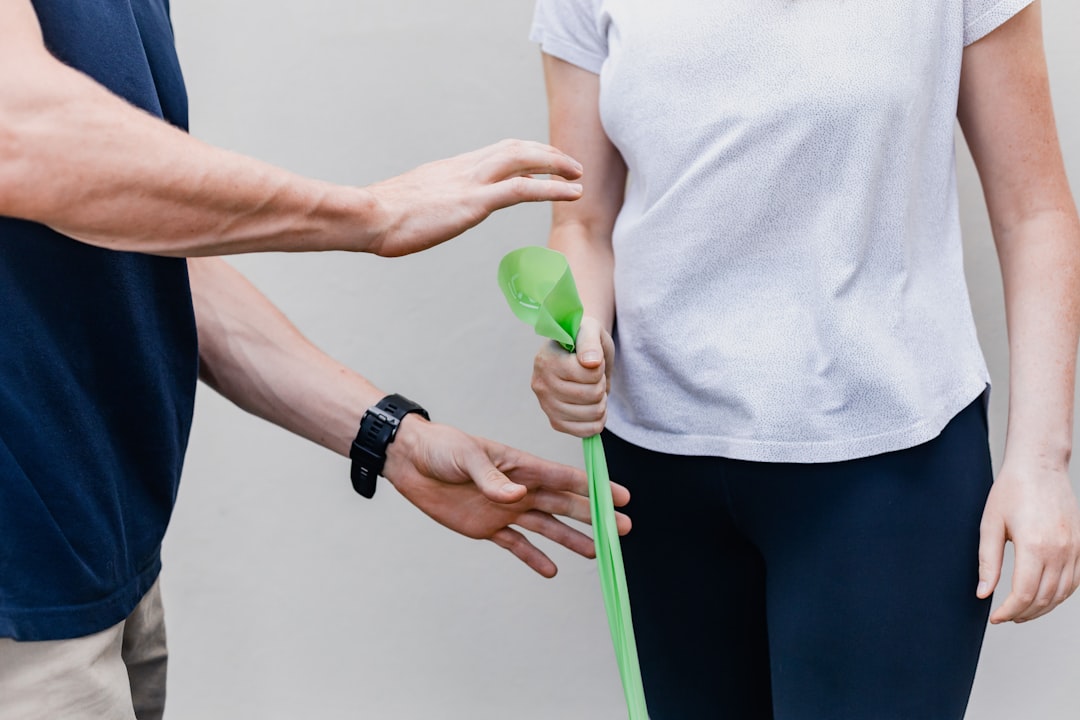
Occupational therapy is one of the most misunderstood healthcare professions in South Africa. Many people associate it exclusively with helping elderly patients after a stroke or hospital admission — in reality, occupational therapy spans from helping a three-year-old with sensory processing difficulties that are affecting their ability to dress themselves, to assisting a 45-year-old executive following a hand injury to return to keyboard work, to enabling a person with a psychiatric condition to re-establish daily living routines after a hospitalisation. The common thread is function: occupational therapists help people do the things they need or want to do in daily life when those abilities have been disrupted by physical, developmental, neurological, or psychiatric conditions. If you or your child has been referred for OT and you do not know what to expect from the assessment or what it costs, this guide is for you.
This guide covers what occupational therapy realistically costs in South Africa in 2026, how medical aid OT benefits work, what a thorough assessment includes, and how to find a qualified OT for your specific need.
HPCSA Registration: The Starting Point
Occupational therapists in South Africa are registered with the Health Professions Council of South Africa (HPCSA) under the Occupational Therapy, Medical Orthotics/Prosthetics and Arts Therapy Board. This registration requires completion of a four-year Bachelor of Occupational Therapy degree from an accredited institution followed by a one-year supervised community service year. You can verify any OT's registration on the HPCSA website.
In South Africa, OTs who work with specific populations often have additional post-graduate training — in sensory integration (SI), hand therapy, neurological rehabilitation, or paediatric developmental OT. When seeking a referral, clarifying the OT's area of specialisation ensures you are seeing someone with the most relevant training for your specific need.
How OT Session Fees Are Structured
Occupational therapy is billed using NRPL (National Reference Price List) codes published by the Board of Healthcare Funders. Medical aids reimburse OT services at or near these tariffs, depending on scheme and benefit option.
Key NRPL codes for occupational therapy (indicative 2026 rates):
- OT initial assessment (code 92600-type): R750–R1,100
- OT treatment session (30–45 minutes): R450–R750
- OT treatment session (60 minutes): R700–R1,100
- Comprehensive developmental assessment (paediatric): R1,200–R2,500 (may span multiple sessions)
- Functional capacity evaluation (medico-legal or return-to-work): R3,500–R8,000 per full assessment
- Home assessment and modification recommendations: R1,200–R2,500
Private practice rates charged by OTs are frequently above NRPL — at 100–150% of NRPL in most cases, with premium practices in urban areas charging at 150–200% of NRPL. The gap between what the medical aid pays and what the OT charges is your out-of-pocket co-payment. Asking the practice upfront what their rate is relative to NRPL allows you to calculate your expected co-payment before attending.
Paediatric OT: What Most Families Are Seeking
The majority of private OT referrals in South Africa involve children — typically for concerns around fine motor development, sensory processing, handwriting difficulties, coordination, self-care skills (dressing, eating independently), or developmental delays flagged by a paediatrician, GP, or teacher.
A proper paediatric OT assessment is a structured process, not a single session. A comprehensive developmental OT assessment includes: a detailed case history from parents, standardised developmental assessments (tools such as the Beery VMI for visual-motor integration, the Bruininks-Oseretsky for motor proficiency, or sensory processing measures), clinical observation of the child at play and in structured activities, and a written report with findings and recommendations. This process typically takes two to three sessions and results in a report that is shared with parents, schools, and referring clinicians.
The assessment report should specify what difficulties were found, what they mean for the child's daily function, and what the recommended intervention involves — how many sessions, what frequency, and what the expected duration of treatment is. A report that says only "OT recommended" without these specifics is not a clinical-quality report.
Therapy session fees for children in private practice: R550–R1,000 per session in most South African cities, with weekly or fortnightly sessions common. A typical course of treatment for a child with sensory processing or fine motor difficulties runs 10–20 sessions, with periodic reassessment.
Adult OT: Rehabilitation and Return to Function
Adult OT covers a wide range of presentations. Common referral reasons:
Post-surgical or injury rehabilitation: Hand injuries, shoulder surgery, brain injury, spinal cord injury. The OT focuses on restoring functional use of the affected limb or adapting activities to work around permanent limitations. Often works alongside physiotherapy and is covered by medical aid under rehabilitation benefits.
Neurological conditions: Stroke, Parkinson's disease, multiple sclerosis, traumatic brain injury. The OT addresses activities of daily living — personal care, meal preparation, driving re-assessment, cognitive compensation strategies, and home modification to maximise safety and independence.
Psychiatric OT: Following acute psychiatric admissions or in day hospital programmes. Focuses on establishing and maintaining daily routines, work reintegration, and community participation. Less common in private practice, more common in public sector psychiatric settings.
Medico-legal and occupational assessment: OTs perform functional capacity evaluations (FCEs) for medico-legal purposes — assessing what a person can and cannot do following injury or illness, for purposes of compensation claims. These are high-cost, high-stakes assessments that require significant OT expertise.
Medical Aid OT Benefits: Key Things to Know
Most medical aid schemes provide OT benefits, but access and limits vary significantly:
PMB OT: Certain OT services qualify as Prescribed Minimum Benefits — specifically, OT as part of treatment for defined PMB conditions (stroke, spinal cord injury, severe neurological conditions). OT for developmental conditions in children is generally not classified as a PMB.
Annual OT benefit: Most plans cap OT reimbursement at a rand limit per beneficiary per year. Common limits range from R3,000 to R15,000 depending on the plan. Children with complex needs frequently exhaust annual OT benefits within the first quarter, requiring families to self-fund for the remainder of the year.
Pre-authorisation: Most medical aid schemes require pre-authorisation for OT. Get this before the first session — attending without pre-authorisation often results in the benefit being declined entirely.
Referral requirement: Some schemes require a GP or specialist referral letter for OT benefits to apply. Check your scheme's requirements before booking.
Quick Checklist Before Your First OT Appointment
- Verify HPCSA registration before booking — takes 60 seconds on the HPCSA website
- Ask whether the OT has experience with your specific need — paediatric sensory, adult neurological, hand therapy, etc.
- Get pre-authorisation from your medical aid before the first session
- Ask what the practice's rate is relative to NRPL — calculate your expected co-payment
- For a paediatric assessment: ask how many sessions the assessment spans and when you will receive the written report
- Ask at the assessment how many treatment sessions are recommended, at what frequency, and when progress will be reassessed
- Check your scheme's annual OT benefit limit so you can plan the treatment course accordingly
Occupational therapy outcomes — a child who can now dress themselves, an adult who returned to work after a hand injury — are tangible and meaningful. Finding the right OT for your specific need, rather than the nearest one, is worth the additional research. Reviews on KiesSlim for occupational therapists in your area give you real patient and parent feedback on both clinical quality and communication — the two factors that most determine whether OT treatment is worth the investment.