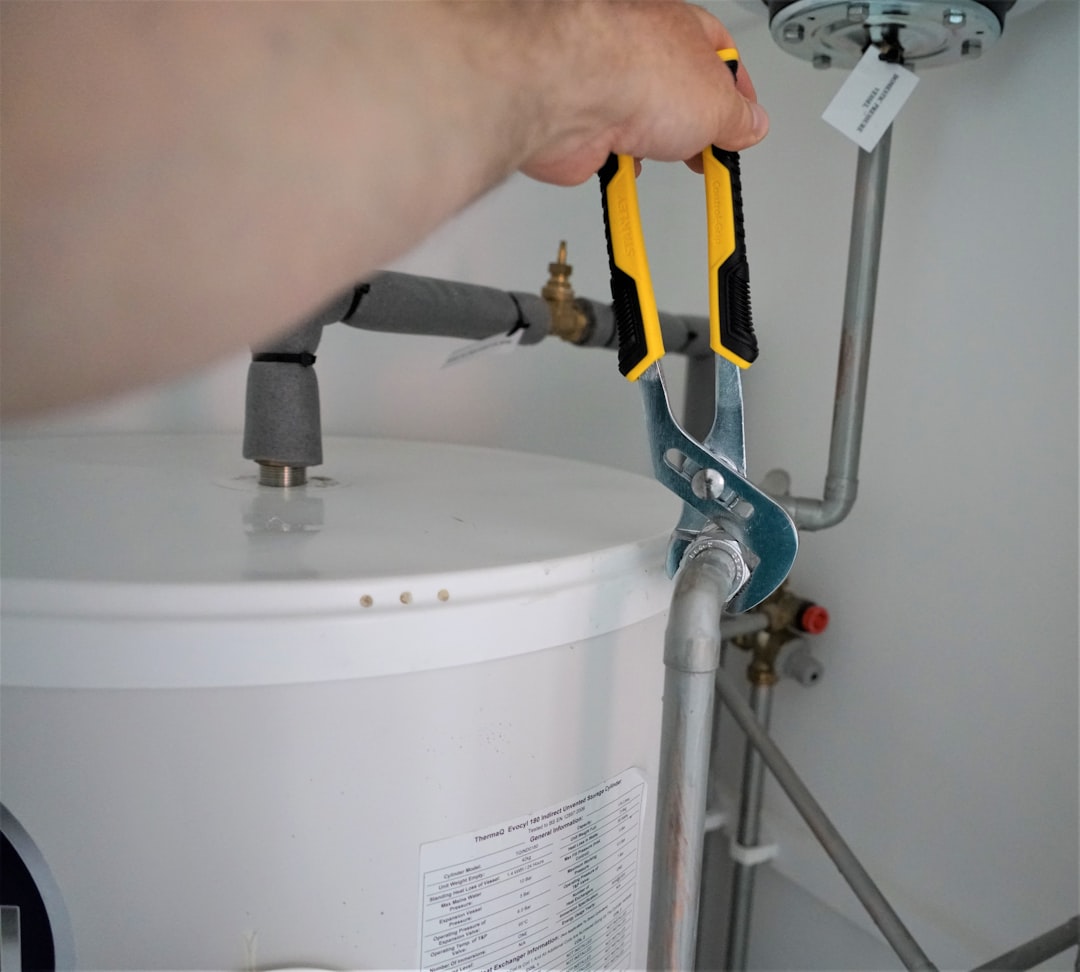
A geyser failure is one of the most disruptive household events in South Africa — especially when it happens on a cold morning or before a significant load shedding block. Most homeowners have no idea what a replacement should cost, and the emergency nature of the situation makes it easy for contractors to present an inflated quote that goes unchallenged. A standard geyser replacement in South Africa is a well-defined piece of work with a fairly predictable cost range. Knowing that range before you get a call from a plumber standing in your ceiling gives you the leverage to ask the right questions and identify pricing that does not make sense.
Below is what a geyser replacement should realistically cost in South Africa in 2026, from a straightforward like-for-like swap to a full heat pump or solar conversion.
Standard Like-for-Like Geyser Replacement
The most common geyser replacement scenario in South Africa is a like-for-like swap: an existing 150L or 200L pressure geyser is removed and replaced with a new unit of similar specification in the same location. This is the baseline from which all other replacements deviate.
What drives the cost:
Geyser unit cost: A standard 150L high-pressure geyser from a reputable South African brand (Kwikot, Franke, Ariston) costs R3,500–R5,500 supply-only at a plumbing merchant. A 200L unit runs R4,500–R7,000. Budget or generic brands are cheaper but carry shorter warranties and higher failure rates — false economy on an item this central to household function.
Geyser isolation valve and connection fittings: R500–R900 for a standard replacement set including the pressure reducing valve (PRV), pressure relief valve, and isolation valve if these are being replaced at the same time. These are often 10–15 years old when a geyser fails and worth replacing while the ceiling is open.
Labour for removal and installation: R1,200–R2,500 for a standard ceiling-mounted replacement during business hours. After-hours emergency call-outs add R500–R1,500 to the labour cost.
Geyser blanket (insulation jacket): R400–R700 supply and fit. Required by the National Building Regulations for all geysers installed in South Africa — not optional.
Certificate of Compliance (COC): R600–R1,200. Legally required for any geyser installation or replacement. Without a COC, your home insurance may not cover a future leak or failure related to the geyser. Ask specifically whether the COC is included in the quote or billed separately.
All-in cost for a standard 150L replacement (business hours, straightforward access): R7,000–R11,500.
All-in cost for a 200L replacement: R9,000–R14,000.
Costs at the upper end of these ranges are common in Cape Town, Johannesburg northern suburbs, and other high-cost areas. Costs at the lower end are more typical in smaller cities and towns with lower contractor rates.
When Costs Legitimately Go Higher
Several factors push a geyser replacement above the standard range, and understanding them helps you assess whether a higher quote is justified:
Difficult access: A geyser in a tight ceiling space, above a tiled bathroom ceiling requiring tile removal, or in a position requiring scaffolding adds R500–R2,500 to labour. This is legitimate — it takes significantly longer.
Upgrading to a larger unit: Moving from 150L to 200L or 250L may require pipe resizing if the existing pipework is undersized for the larger flow rate. Add R800–R2,000 for pipework adjustments.
Replacement of aged associated components: A plumber inspecting a 15-year-old geyser installation will often find the thermostat, heating element, and drip tray are also at end of life. Replacing these at the same time as the geyser is cost-effective — replacing them separately in six months is not. Budget R600–R1,800 for associated component replacement.
Non-standard pressure or pipe configuration: Low-pressure geysers (common in older homes) require different valves and fittings. Retrofitting to a high-pressure system involves additional plumbing work at R1,500–R4,000.
Heat Pump Geyser: Cost and Payback
A heat pump water heater uses refrigeration technology to extract heat from ambient air and transfer it to the water in the tank. It uses roughly 60–70% less electricity than a conventional resistance element geyser — a significant saving in the South African context where electricity prices have increased dramatically and load shedding disrupts heating cycles.
Heat pump unit supply cost: R8,000–R20,000 depending on capacity and brand. Popular South African market options include Kwikot, Waterpump, and several imported brands. A 150L heat pump unit from a reputable brand runs R10,000–R15,000 supply-only.
Installation cost: R3,000–R6,000 for installation including the connecting pipework, electrical connection, and COC. Heat pumps must be installed by a licensed plumber and a licensed electrician — both COCs are required.
All-in cost for a heat pump conversion: R14,000–R22,000.
Payback period at current Eskom tariffs: 3–5 years for most households, depending on hot water usage patterns. Heat pumps do not perform optimally in very cold ambient temperatures (below 5°C) — they are highly effective in most of South Africa but less so in the Western Cape mountains or high-altitude Highveld in winter.
Solar Geyser: What It Actually Costs
A solar geyser system uses roof-mounted solar collectors to heat water, with an electric element as backup for cloudy days or high demand periods. South Africa's solar resource makes this highly effective — a properly installed solar geyser can meet 60–80% of a household's hot water demand from solar energy alone.
Solar geyser system (panel, tank, fittings): R8,000–R18,000 supply-only. Flat plate collector systems are cheaper; evacuated tube systems are more efficient in overcast conditions and cost more. Tank sizes range from 100L to 300L.
Installation: R3,500–R8,000 depending on roof structure, height, and pipe run distance. Both plumbing and electrical COCs are required.
All-in cost for a solar geyser installation: R12,000–R26,000.
The City of Cape Town and some other municipalities have historically offered rebates on solar geyser installations. Check current municipality incentive programmes before purchasing — the availability and value of these rebates changes and is not always well publicised.
What Should Concern You in a Quote
A geyser replacement quote that does not itemise materials and labour separately is difficult to evaluate. Insist on a line-item breakdown. Key things to check:
Is the COC included? If not, add R600–R1,200 to your cost comparison.
What brand and model geyser is being supplied? Some contractors quote a generic or import brand unit at the same price as a branded South African unit. The warranty difference (2 years vs 5–7 years) and reliability difference is significant.
Is the drip tray included and in serviceable condition? A drip tray collects leakage and protects your ceiling. If the existing tray is rusted or damaged, it must be replaced. This should be in the quote or at minimum flagged.
Is the geyser blanket included? Required by regulations and should be standard in any professional quote.
Quick Checklist Before You Agree to a Replacement
- Get at least two quotes — emergency situations are when price differences are largest
- Ask for an itemised quote: geyser unit, valves, labour, COC, and blanket listed separately
- Confirm the brand and model of the geyser being supplied — look it up before agreeing
- Ask whether the pressure relief valve and PRV are being replaced at the same time
- Confirm that a COC will be issued by a licensed plumber and what it covers
- Check whether your home insurance covers geyser failure and what documentation they require
- Consider whether a heat pump or solar conversion is financially viable given your electricity usage
- Ask about warranty on both the geyser unit and the installation workmanship
A geyser replacement is not a complex job in the hands of a competent plumber, but it is expensive enough that an overpriced quote costs you real money. Checking plumber reviews on KiesSlim before accepting a quote is one of the easiest ways to confirm you are dealing with someone whose previous clients found them honest and competent — rather than someone who targets emergency call-outs specifically because customers do not comparison shop.