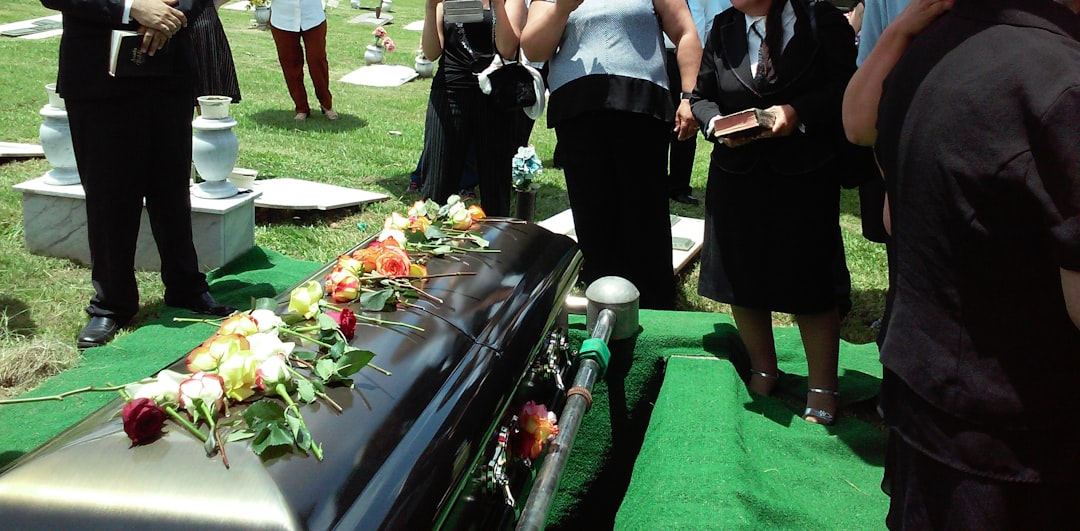
Funeral costs in South Africa rank among the highest per capita in the world relative to average income, driven by strong cultural expectations around burial, aggressive upselling by some funeral homes, and the reality that most decisions are made within 24–72 hours of death when grief makes price scrutiny feel inappropriate. The result is that many South African families overpay significantly for services that could have cost substantially less — often going into debt for a funeral that far exceeded what the deceased would have wanted or what the family could afford. This guide gives you the pricing benchmarks to make informed decisions.
This guide covers realistic 2026 cost ranges for every major component of a South African funeral — from the most basic dignified option to a full service — and identifies where the biggest variations occur and where costs can be reduced without compromising the farewell.
The Legal Minimum — What a Dignified Funeral Must Include
South African law and consumer protection principles establish that every person is entitled to a dignified burial. This does not mean a lavish ceremony — it means respectful handling of the deceased, a coffin, and a burial or cremation. The price for this minimum standard varies by province but is achievable for R8,000–R15,000 in most areas.
If a funeral home claims that R8,000 will not provide a dignified funeral, ask them to itemise what exactly that amount will not cover. The Consumer Protection Act requires itemised pricing — you are entitled to see exactly what each component costs. Any funeral home that refuses to provide itemised pricing or that cannot explain why a basic dignified service costs more than R15,000 is not operating transparently.
Burial Costs — The Main Components
A standard burial in a municipal cemetery includes these cost components, each priced separately.
Coffin: The single largest variable. Municipal-grade chipboard coffins with a basic interior: R2,000–R5,000. Mid-range solid wood coffins: R5,000–R15,000. Premium hardwood or imported coffins: R15,000–R60,000+. There is no service quality difference associated with coffin price — only aesthetic and material differences. For closed-coffin services, the least expensive option that meets your aesthetic standard is the rational choice.
Embalming and preparation: R1,500–R4,000 depending on the extent of preparation required. Embalming is not legally required in most South African circumstances — it is required only for international transportation of remains or when burial is delayed beyond 72 hours in summer heat. For most standard funerals, refrigeration is sufficient and significantly cheaper.
Chapel or venue hire: R1,500–R5,000 for the funeral home's chapel for a two-hour service. Church services are often free or by donation. Graveside-only services avoid this cost entirely.
Hearse transport: R1,200–R3,000 for transport from the funeral home to the cemetery, depending on distance.
Grave preparation at a municipal cemetery: R2,000–R5,000 depending on the municipality. Municipal cemeteries are significantly cheaper than private cemeteries. A private cemetery plot alone can cost R15,000–R80,000 before the burial service costs are added.
Death certificate and BI-1663 (burial order): Minimal direct cost — the administrative fees are nominal. The funeral home may charge a service fee of R500–R1,500 for handling the paperwork. You can handle this yourself through Home Affairs and the municipality at minimal cost.
Cremation Costs
Cremation is significantly cheaper than burial in South Africa, though cultural and religious considerations mean it remains less common than in comparable countries.
Cremation fee (the act of cremation at a registered crematorium): R3,000–R6,000 in most South African cities. This is the direct cremation cost — it does not include the funeral home service fee, transport, or the urn.
A complete cremation package (funeral home coordination, transport, cremation, basic urn): R8,000–R18,000. This compares to R18,000–R40,000 for an equivalent burial service — a saving of R10,000–R22,000 for equivalent ceremony level.
Premium urns: R800–R5,000 depending on material. Basic urns are typically provided as part of the cremation fee. Scattering ashes requires a permit in some circumstances — ask the crematorium about the requirements for your intended location.
Add-Ons That Are Optional
Funeral homes present many add-ons as part of a standard package when they are actually optional items you can decline or source independently.
Floral arrangements: R800–R4,000 from the funeral home. These can be sourced from any florist for significantly less. Many families prefer this anyway — it allows them to choose arrangements that reflect the deceased personally.
Printed order of service: R500–R1,500 from the funeral home. A standard order of service can be printed at any print shop or designed on a home computer and printed for R200–R400.
Memorial video tribute: R1,500–R4,000. This can be created using free or low-cost software (iMovie, Canva) by a family member with a laptop.
Marquee, chairs, tables for home reception: R2,000–R8,000. Available from any hire company at similar or lower rates.
Reducing Costs Without Reducing Dignity
The funeral industry occasionally implies that spending less is disrespectful to the deceased. This is a sales position, not a factual one. Dignity in a farewell comes from the care and love brought by those who attend, not from the price of the coffin or the elaborateness of the floral arrangements.
Cost reductions that do not affect the quality of the farewell: choosing a municipal rather than a private cemetery (saving R10,000–R50,000 on a grave plot); choosing cremation over burial (saving R10,000–R25,000); sourcing the coffin independently from a direct supplier; handling the printing and floral arrangements independently; and holding a graveside service without a chapel hire.
Funeral cover policies that are in force reduce or eliminate out-of-pocket costs. Check what coverage exists before authorising any expenditure — many policies cover R15,000–R50,000 in funeral costs, which meets or exceeds the cost of a dignified standard service.
Quick Checklist for Managing Funeral Costs
- Check existing funeral cover, life insurance, and burial society membership before authorising costs
- Request a full itemised price list before agreeing to any package
- Ask whether embalming is legally required for your specific situation — in most cases, it is not
- Compare coffin prices from the funeral home against independent coffin suppliers
- Consider a municipal cemetery over a private cemetery — the saving is significant
- Source flowers, printed materials, and reception items independently if cost is a concern
- Take at least 24 hours before confirming all final decisions — pressure to decide everything immediately is a sales tactic
- Bring a trusted person who is less emotionally affected to any meeting with the funeral home
Reviews from families who have used specific funeral homes in your area give you honest insight into how they handle the pricing conversation and whether they respect your right to make informed decisions. KiesSlim makes it easy to compare funeral homes based on real experiences.