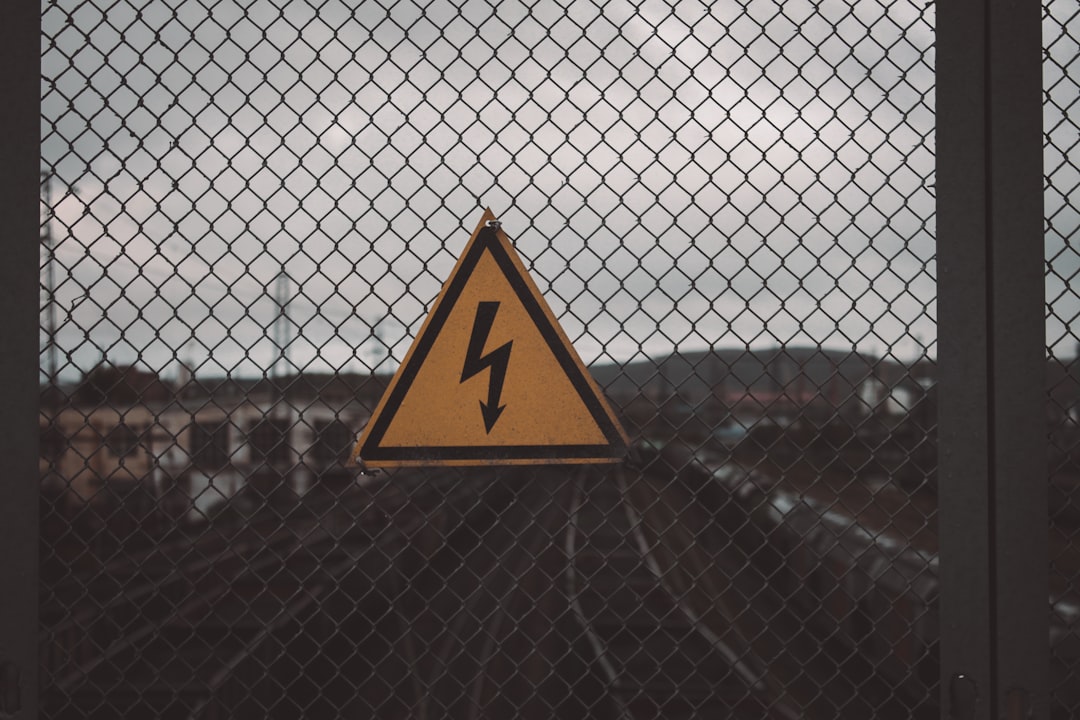
Electricity kills. In South Africa, where load shedding has pushed many homeowners to install generators, solar systems, and backup inverters — often in a hurry, often using whoever is cheapest — the risk of illegal and dangerous electrical work has never been higher. An unqualified electrician does not just do bad work. They create hidden hazards that can cause house fires, electrocution, or an insurance claim that is denied because the installation was not done by a registered contractor. The consequences can be catastrophic, and they rarely appear immediately — faulty wiring can smoulder inside a wall for months before igniting.
The South African electrical industry is regulated by the Electrical Contractors Board and governed by SANS 10142, the wiring code of practice. Every electrical contractor doing wiring installation work must be registered. Every new, altered, or added installation requires a Certificate of Compliance (COC) issued by a qualified person. These requirements exist because the stakes of getting it wrong are too high. Here is how to identify an electrician who is operating outside this framework before you hire them.
They Cannot Produce an ECB Registration Number
Electrical contractors in South Africa must be registered with the Electrical Contractors Board (ECB) under the Electrical Installation Regulations promulgated under the Occupational Health and Safety Act. This registration requires that the business employs at least one registered wireman or master installation electrician who is qualified to test and certify electrical installations.
Ask any prospective electrician for their ECB registration number. Verify it on the ECB's online register. An unregistered contractor cannot legally issue a Certificate of Compliance — which means any work they do leaves you with an installation that is legally non-compliant and potentially uninsurable. If you cannot independently verify registration, do not allow the work to begin. This single check eliminates the majority of unqualified operators.
They Say the Work Does Not Need a COC
A Certificate of Compliance (COC) is required for any new electrical installation, and for any addition or alteration to an existing installation. This includes adding new circuits, installing a distribution board, connecting a generator or inverter, adding outlets or light points, and any solar PV grid-tied system. The COC is your legal proof that the installation complies with SANS 10142 and has been tested by a qualified person.
An electrician who tells you that "small jobs don't need a COC" or "we don't bother with the paperwork for this type of work" is either unregistered, unqualified to issue a COC, or both. Without a COC, you cannot sell your home (the COC must be transferred to the buyer), your homeowner's insurance may deny claims arising from electrical faults in the uncertified installation, and you carry personal liability if the installation causes harm to a third party.
Never accept verbal reassurance that a COC is unnecessary. If the work requires one legally, insist on it. A qualified registered electrician will issue it as standard — it is part of what you are paying for.
Their Quote Is Suspiciously Cheap
Qualified registered electricians carry costs that unqualified operators do not: ECB registration fees, professional indemnity insurance, proper testing equipment, and the liability of certifying work with their name attached. When an electrician quotes significantly below market rates, it is often because they are operating without these overheads — meaning without registration, without insurance, and without the qualifications needed to certify what they install.
This matters because the cheapest quote becomes the most expensive outcome when an uncertified installation causes damage, injury, or a denied insurance claim. Get at least three quotes. If one quote is dramatically lower than the others, ask the electrician directly whether they are ECB-registered and whether a COC will be issued. Their response will tell you what you need to know.
They Use Substandard Materials or Deviate From SANS 10142
SANS 10142 specifies the materials, cable ratings, circuit protection requirements, and installation methods that must be used in South African electrical installations. An electrician who substitutes cheaper cable, uses undersized conduit, installs circuit breakers below the required rating, or skips earth bonding requirements is not just cutting costs — they are creating installations that fail under load and may not trip breakers correctly during a fault, which is precisely when you need them most.
You are not expected to audit the materials being installed during a job. But there are observable signals: an electrician who arrives with a small amount of generic cable rather than the specifically rated cable required for the circuit; who does not earth-bond appliances or distribution boards; or who cannot explain what protection is being installed on each circuit and why. A professional electrician will explain what they are installing and why it meets code. One who becomes defensive or dismissive when asked is concealing something.
They Work Without Isolating the Supply
Basic electrical safety requires that the power supply to any circuit being worked on is isolated — switched off and, on larger installations, locked out — before work begins. An electrician who works on live circuits without isolation is not just taking a personal risk; they are demonstrating a disregard for safety protocols that will likely manifest in the quality and safety of their completed work as well.
If you observe an electrician working on live wiring — handling bare conductors with the circuit energised — stop the job. This is not acceptable practice under any circumstances. Similarly, an electrician who does not test the circuit after completion before energising it, or who does not use proper testing equipment (a calibrated multimeter or loop impedance tester), cannot certify the installation has been correctly completed. The testing step is not optional.
They Cannot Explain What They Are Installing or Why
A qualified electrician should be able to explain, in plain language, what they are installing, what protection it provides, and why the installation is designed the way it is. If an electrician cannot answer basic questions — why is this circuit breaker rated at this amperage, why does the earth leakage unit need to be this sensitivity, why is conduit required in this location — they likely do not understand the code they are supposed to be following.
This matters particularly for newer technologies: solar inverter installations, battery backup systems, and generator changeover switches all have specific requirements under SANS 10142 and the relevant SANS standards for solar PV systems. An electrician who has never installed a grid-tied solar system but quotes confidently on one without acknowledging the specific regulatory requirements is a risk. Ask about their experience with the specific type of installation you need before committing.
Quick Checklist Before You Hire
- Verified ECB registration number on the ECB online register directly
- Confirmed a Certificate of Compliance will be issued on completion
- Received an itemised quote specifying materials, cable ratings, and circuit protection
- Compared at least three quotes — flagged any dramatically lower than the others
- Asked about experience with your specific installation type (solar, generator, distribution board)
- Checked that the electrician uses proper testing equipment, not just a basic tester
- Verified homeowner's insurance requirements for electrical work — some insurers require pre-approval for alterations
- Checked reviews from other homeowners about quality and whether COCs were issued as promised
Reviews from homeowners who have had electrical work done are one of the most reliable ways to identify registered professionals who actually deliver COCs and stand behind their work. KiesSlim lists electricians across South Africa with real homeowner reviews — check what others have experienced before you let anyone touch your wiring.