Load shedding has made backup power a standard household expense in South Africa rather than a luxury. The two most common options — a petrol or diesel generator, and a solar-plus-battery hybrid system — serve the same purpose but work very differently, cost differently, and suit different households. Making the wrong choice means either spending far more than necessary or ending up with a system that cannot meet your actual power needs. This guide compares both options across the factors that matter most for South African homeowners in 2026.
The right answer depends on your load shedding stage experience, your electricity consumption, your budget, whether you want a long-term investment or a short-term fix, and how much generator noise and running costs you can tolerate. Both options have genuine merits — and both have situations where they are clearly the wrong choice.
Upfront Cost Comparison
A portable petrol generator capable of running lights, a fridge, a television, and phone charging — but not air conditioning or a geyser — costs R3,500–R8,000 from hardware stores in 2026. A larger petrol or diesel generator capable of running most of a standard home's load costs R12,000–R35,000. Installation of a transfer switch (which safely connects the generator to your distribution board without back-feeding the grid) adds R4,000–R8,000 installed by a registered electrician.
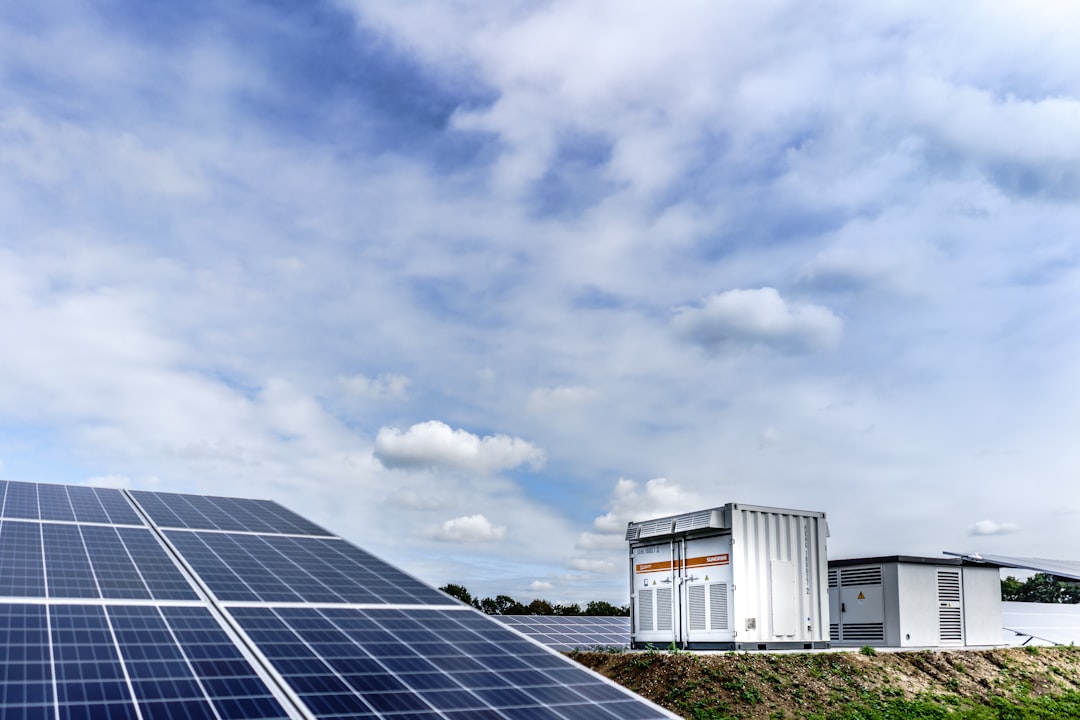
A solar hybrid system that provides equivalent coverage — 5kW inverter, 5kWh lithium battery, 6–8 solar panels — costs R85,000–R130,000 fully installed in 2026. A smaller entry-level system (3kW inverter, 3kWh battery, 4 panels) costs R45,000–R75,000 but will not run high-draw appliances and will deplete faster during extended load shedding.
The upfront cost difference is stark. But upfront cost is only part of the comparison.
Running Cost Comparison
This is where the comparison shifts significantly in solar's favour. A petrol generator consuming 1.5–2 litres per hour at current fuel prices (approximately R22–R25 per litre in 2026) costs R33–R50 per hour to run. Stage 4 load shedding of 8 hours per day costs R264–R400 per day in fuel — R8,000–R12,000 per month purely in generator fuel. Over 12 months of heavy load shedding, this fuel cost alone may exceed the capital cost of a modest solar system.
A solar hybrid system, once installed, has near-zero running costs. The battery charges from the panels during daylight hours and discharges during outages. Electricity from Eskom charges the battery at off-peak tariffs (typically R1.50–R2.50 per kWh at night) as a backup when solar generation is insufficient. Annual maintenance is minimal: a panel clean every 6 months and an inverter service every 2–3 years.
Noise, Neighbour Relations, and Sectional Title
A petrol or diesel generator produces 65–80 decibels of noise — equivalent to a lawnmower or power drill — from one to two metres away, and considerably more from inside the house where the vibration is audible. Running a generator at 2am during Stage 6 is not a neighbourly act and in many sectional title complexes is prohibited by body corporate rules or municipal noise bylaws.
Solar hybrid systems operate silently. The inverter produces a faint electronic hum audible only in a very quiet room immediately adjacent to the unit. This makes solar the only viable option for apartment dwellers, townhouse complexes, and homeowners in densely populated suburbs where night-time generator use would be antisocial or prohibited.
What Each System Can and Cannot Run
A 5kW petrol generator can technically power almost any household load — but only one or two high-draw appliances simultaneously, and the generator must be manually started, refuelled, and managed. Running a geyser (3kW) and a kettle (2kW) simultaneously on a 5kW generator leaves almost no capacity for anything else.
A 5kW solar hybrid system with a 5kWh battery provides seamless, automatic backup. When load shedding begins, the inverter switches over in milliseconds — no manual starting, no fuel management. The battery provides approximately 5 hours of moderate household use (lights, TV, fridge, laptop, phone charging) before depletion. A geyser on a 3kW element will drain a 5kWh battery in under two hours — most solar users either switch their geyser element off during load shedding or install a smaller supplementary element on a separate circuit.
Load Shedding Stage Suitability
For Stage 2 load shedding (2 hours twice daily), a generator is often adequate and cost-effective as a short-term solution. The fuel cost is manageable, the noise impact is limited to brief periods, and the upfront cost is much lower than solar.
For Stage 4 and above (8+ hours of outages per day), generators become expensive to run and operationally burdensome — constant refuelling, oil checks, and the logistics of starting a generator multiple times per day. At this intensity of load shedding, solar's zero running cost and automatic operation produce meaningful financial and quality-of-life advantages that begin to justify the higher upfront investment.
Long-Term Investment Value
A quality solar hybrid system with a 10-year warranty (common for Deye, Sunsynk, and Victron inverters) and a 5–10 year battery warranty (CATL, BYD lithium batteries) is an asset that increases in value relative to rising Eskom tariffs. As electricity prices increase, the financial return on solar improves. A system that generates electricity for 20–25 years (the typical panel lifespan) increasingly offsets rising utility costs over time.
A generator depreciates, requires annual servicing (R1,500–R3,000), and has no residual value at end of life. It provides no reduction in grid electricity consumption and therefore no protection against future tariff increases.
Quick Decision Framework
- You live in a sectional title complex or apartment — solar is the only viable option
- You experience Stage 4+ load shedding regularly — solar's running cost advantage compounds rapidly
- Your budget is under R15,000 and you need immediate backup — a generator with transfer switch is the practical short-term choice
- You want a long-term investment that hedges against electricity price increases — solar
- You need to run a geyser and high-draw appliances on backup power — you need either a large generator (R25,000+) or a large solar system (R120,000+); small systems of either type will not manage this load
- You want zero running costs and silent automatic operation — solar is the clear choice
Whether you choose a generator or solar, using a registered electrician who can install it safely and legally — with the required Certificate of Compliance for any work connected to your distribution board — is non-negotiable for both safety and insurance compliance. KiesSlim lists electricians across South Africa with verified homeowner reviews — check what others have experienced before you commission any backup power installation.