Is Your Property Suitable?
Before investing in Airbnb setup, assess whether your property is genuinely suitable for short-term rental. Key factors: location (proximity to attractions, business districts, or tourist areas drives demand), property condition (Airbnb guests have high expectations and visible maintenance issues generate poor reviews), parking (essential for most South African properties), and security (a secure property in a secure area makes guests feel safe and attracts premium bookings).
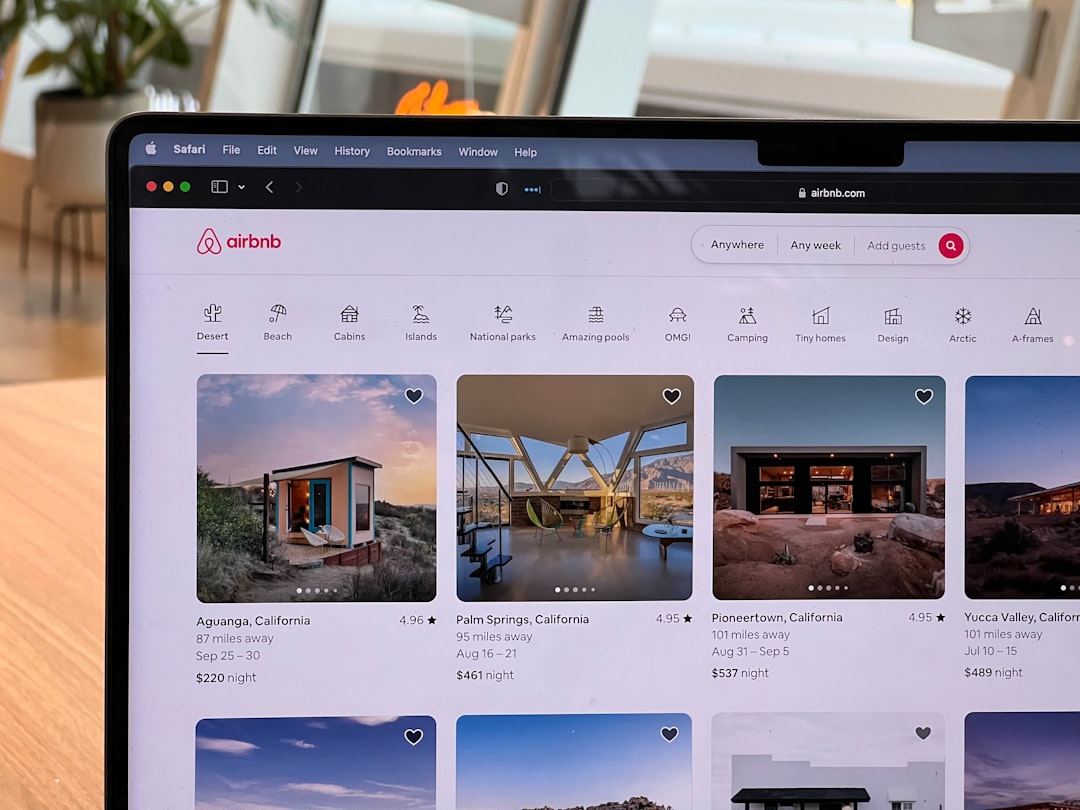
Check local demand by searching Airbnb for similar properties in your area, looking at their pricing, availability calendars, and review volume. This gives you a realistic picture of what occupancy rate and nightly rate you can expect.
Legal and Regulatory Requirements
Zoning and municipal by-laws: Short-term rentals are subject to municipal zoning regulations. In Cape Town, Johannesburg, and other metros, operating a short-term rental in a residentially zoned property may require a departure or consent use application. Some municipalities have developed specific short-term rental by-laws. Check with your municipality's planning department before launching.
Sectional title and HOA: If you own a sectional title unit or a property in an HOA, the scheme's rules of conduct may prohibit or restrict short-term rentals. Check your scheme's rules carefully — operating an Airbnb in breach of your body corporate's rules exposes you to fines and legal action by the trustees. Some schemes have passed explicit rules against Airbnb; others require special resolution approval.
Insurance: Your standard homeowner's or household contents insurance does not cover short-term rental activity. You need either a specific short-term rental endorsement on your policy or a dedicated short-term rental insurance product. Airbnb's AirCover provides some protection, but it does not replace proper local insurance.
Tax Obligations
Short-term rental income is taxable in South Africa and must be declared on your personal income tax return (or company tax return if hosted through a company). You may deduct legitimate expenses proportionate to the rental use of the property: a portion of rates, electricity, insurance, maintenance, cleaning costs, and Airbnb's platform fee.
If your gross Airbnb income exceeds R1 million per year, VAT registration becomes compulsory. Consult a tax practitioner to ensure you are declaring and deducting correctly.
Setting Up the Property
Successful Airbnb properties in South Africa consistently achieve good reviews when they offer: a clean, well-maintained space; comfortable, hotel-quality bedding and towels; reliable high-speed Wi-Fi; a well-equipped kitchen; clear check-in instructions; and adequate security for guests to feel safe. These are not extras — they are the baseline expectation of guests paying R800 to R3,000 per night.
Invest in professional photography. Listings with professional photos consistently achieve 20–30% higher booking rates than equivalent properties with phone-camera images. Most professional property photographers charge R800 to R2,000 for a short-term rental shoot.
Pricing Strategy
Use dynamic pricing tools (Airbnb's built-in smart pricing, or third-party tools like PriceLabs or Beyond) to adjust your nightly rate based on demand, seasonality, and local events. Static pricing leaves money on the table during peak periods and loses bookings during slow periods. Research comparable listings monthly to ensure your pricing remains competitive.
Guest Communication and Reviews
Response time and communication quality are significant factors in Airbnb search ranking. Respond to enquiries within one hour where possible. Set clear expectations in your listing description and house rules to avoid guests who are not a good fit for your property. Every 5-star review improves your visibility in Airbnb search results — a proactive follow-up message after a guest's stay encouraging a review is appropriate and common practice.