What to Do First — and What Not to Do
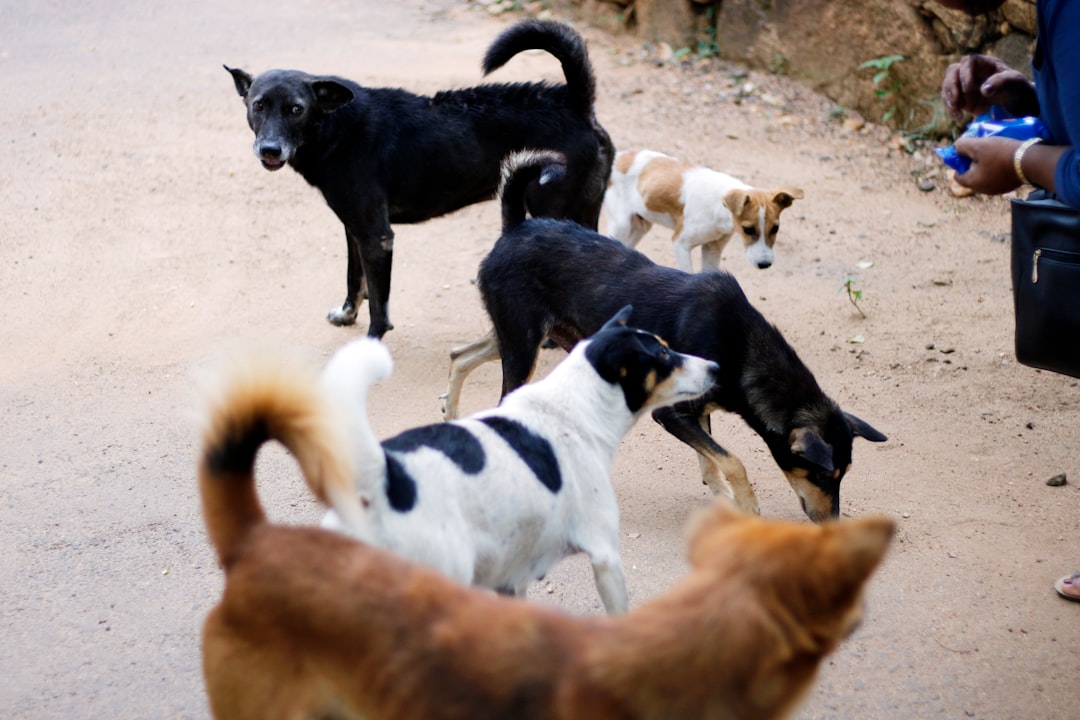
Finding a stray animal on your property — whether a dog, cat, or something more unusual — is a situation most South African homeowners will encounter at some point. The right response depends on the animal's condition, behaviour, and species. Acting hastily can put you at risk; doing nothing can put the animal at risk. This guide walks through the correct steps.
Before approaching any stray animal, assess it from a distance:
- Is it injured or showing signs of illness (discharge from eyes or nose, visible wounds, limping, difficulty breathing)?
- Is it behaving aggressively — growling, lunging, showing teeth?
- Does it appear thin or emaciated?
- Does it have a collar, tag, or visible identifying features?
Never approach a stray animal that is behaving aggressively or erratically. Rabies is present in South Africa — primarily in KwaZulu-Natal and Limpopo — and any animal that is acting unusually should be treated with caution. Rabies in dogs presents as aggression, disorientation, excessive drooling, or uncharacteristic behaviour.
For a Friendly, Apparently Healthy Animal
If the animal is calm and approachable:
- Check for a collar tag with owner contact details. Call immediately if a number is present.
- Check for a microchip — this requires a scanner, but any vet clinic will scan the animal for free. A microchip can identify the registered owner instantly.
- Provide water if the animal appears thirsty, but avoid feeding with rich food — a starving animal given a large meal can develop a serious condition called refeeding syndrome.
- Keep the animal contained safely on your property — in a garage, courtyard, or behind a closed gate — while you make calls. This prevents it from being hit by a vehicle or getting into further trouble.
Who to Contact
South Africa has several channels for reporting and handling stray animals:
- Your local SPCA branch — the SPCA operates in most South African cities and towns and handles stray animal collection. Find your nearest branch on the NSPCA website (nspca.co.za). Call ahead to confirm their collection process — some branches collect directly, others ask you to bring the animal in.
- Local municipality — most municipalities have an animal control or pound service for stray dogs. Look for the contact number on your municipality's website. Municipal pounds are required by law to hold animals for a minimum period before disposal.
- Private animal rescue organisations — most cities have active rescue organisations that operate separately from the SPCA. They are often more responsive, particularly for cats. Search "[your city] animal rescue" to find local groups.
- Your nearest vet clinic — vets can scan for microchips, assess the animal's condition, and often have contacts with rescue networks. Many clinics will hold an injured stray briefly while ownership is established.
Post on local community Facebook groups or Nextdoor with a clear photo. Many lost pets are reunited with their owners this way within hours.
For an Injured Animal
An injured stray requires more urgent action. An injured animal is also more likely to bite — even a normally docile animal in pain may snap when handled.
- Do not attempt to move a severely injured animal unless it is in immediate danger (on a road, being attacked). Moving an animal with a spinal injury incorrectly can paralyse it.
- Contact an emergency vet or the SPCA immediately and describe the injury. They can advise on whether and how to move the animal safely.
- If you must move an injured animal, use a board or a folded blanket as a stretcher. Approach slowly, speak calmly, and cover the animal's head with a towel to reduce stress and the risk of biting.
- Keep the animal warm — shock is a serious risk in injured animals.
Your Legal Position
South African law (the Animals Protection Act and the Pound Ordinance) places certain obligations on both the person who finds a stray and the municipality:
- You are not legally obliged to take a stray animal into your home, but you do have an obligation not to cause it unnecessary suffering
- Abandoning or harming a stray animal is a criminal offence under the Animals Protection Act
- If you choose to keep a stray dog, you are typically required to report it to your municipality and allow a reasonable period (usually 14 days) for the owner to claim it before you can legally claim ownership
- Feeding a stray over a prolonged period without reporting or containing it can create a nuisance liability if the animal harms a neighbour
Wildlife on Your Property
If the animal is wildlife — a bird of prey, a tortoise, a mongoose, a snake, or anything more unusual — the rules change. Most wild animals should not be handled by untrained members of the public. For injured wildlife, contact:
- CROW (Centre for Rehabilitation of Wildlife) in KwaZulu-Natal
- WREN (Wildlife Rescue and Education Network) in Gauteng
- The Wildlife and Environment Society of South Africa (WESSA) for referrals in other regions
- Your nearest vet — most vets have contacts with wildlife rehabilitators
A snake on your property that you cannot identify should be left alone and a professional snake catcher called. Do not attempt to handle or kill it. Snake bite risk in South Africa is real and most bites occur during attempts to handle or kill snakes that could have been left alone or relocated professionally.
Prevention — Securing Your Property
If stray animals accessing your property is a recurring problem, the long-term solution is securing the boundary. Check for gaps under gates and in fencing. A garden-level gap of 20cm is easily navigated by a medium-sized dog. Reinforcing the base of gates and fencing with timber or brickwork resolves most repeat intrusion issues.