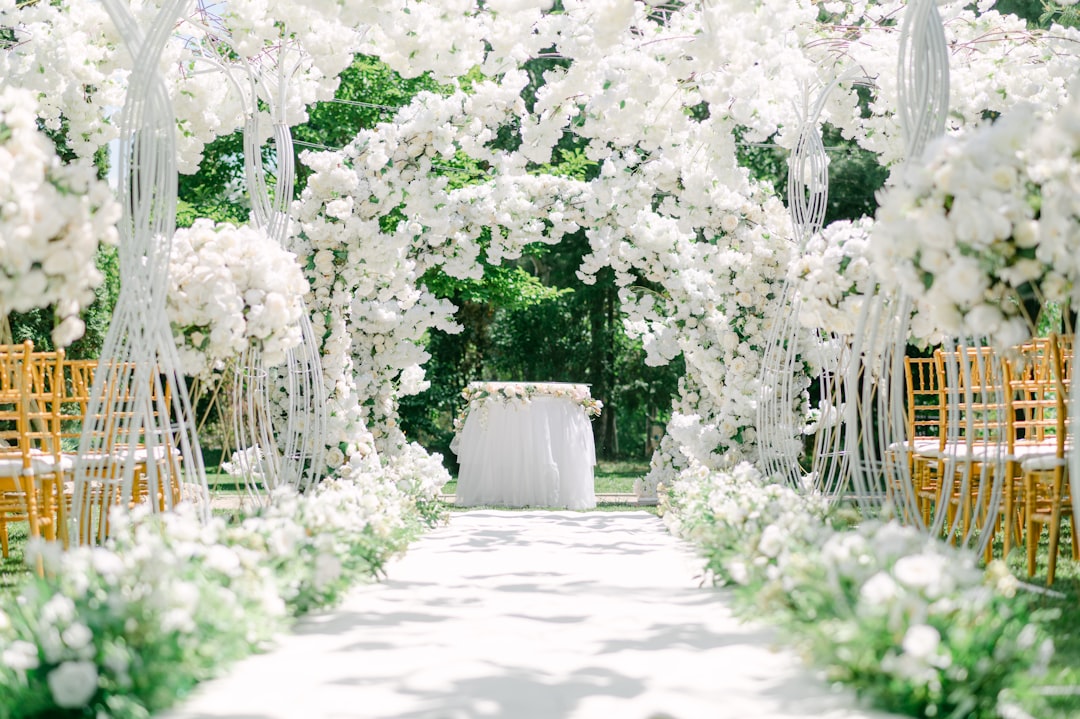
The wedding venue is the single largest cost in most South African weddings and the decision that shapes almost everything else — catering, photography, guest experience, and logistics. A venue that photographs beautifully but has inadequate facilities, inflexible corkage policies, or a contract that allows them to double-book your date creates problems that money cannot easily fix after the fact. Choosing a venue with the same rigour you would apply to any major financial commitment is worth the extra time before you fall in love with a setting.
This guide covers what to assess during a venue visit, the questions that reveal a well-run operation from a poorly managed one, what the contract must include to protect your deposit and your day, and the red flags that suggest you should keep looking.
What to Assess During a Site Visit
Never book a venue you have not visited in person. Online photographs are professionally styled for maximum appeal and rarely show you the parking situation, the state of the bathrooms, the distance from the ceremony space to the reception area, or what the view actually looks like from the ceremony spot during an overcast afternoon.
Visit at the same time of day your ceremony will run. If your ceremony is at 3pm, visit at 3pm. The light, the shadows, the temperature on a west-facing stoep, and the noise from nearby roads or neighbours all vary by time of day. A venue that is magical at 10am on a Tuesday morning may be a different experience at 3pm on a Saturday in December.
Check the guest capacity honestly against your planned numbers. A venue that quotes capacity for 120 guests may be measuring standing room at a cocktail-style event, not seated dinner capacity. Ask specifically: "For a plated sit-down dinner for 100 guests, what is the actual space available?" Visit the bridal suite and check whether it has adequate space, lighting, and access for your wedding party to get ready. Check the bathroom situation for your guest numbers — two bathrooms for 120 guests becomes a problem during a long reception.
Walk the grounds for accessibility. If you have elderly guests or anyone in a wheelchair, check whether the ceremony and reception areas are genuinely accessible or whether there are steps and gravel paths that make this difficult. South African accessibility provisions are often inadequate at heritage or farm venues — know this before you commit.
Questions That Reveal How a Venue Is Actually Run
Beyond the sales pitch, specific questions tell you whether a venue is professionally managed or whether you are buying a beautiful setting with chaotic operations.
"How many weddings do you host per weekend?" A venue that runs two or three events simultaneously is a different proposition from one that runs one exclusive event per day. If multiple weddings are running, ask about sound bleed between events, shared parking, and shared facilities. Some couples are happy with this; others are not — know which you are before you book.
"What is your preferred caterer policy, and what are the corkage fees?" Many venues in South Africa have a preferred caterer list or require you to use their in-house catering. If you have a specific caterer in mind, confirm whether they are approved before you fall in love with the venue. Corkage fees can significantly affect your bar budget — know the fee structure for wine, spirits, and beer before comparing venue quotes.
"What happens on the day if it rains?" For outdoor or partially outdoor venues, this is non-negotiable. A venue with no credible wet weather contingency that handwaves the question is a venue that has not thought this through. You need a clear plan for where the ceremony moves if it rains, and whether that alternative space works for your numbers and your aesthetic.
"What is your load-shedding plan?" Load-shedding affects South African events regularly. Ask specifically whether the venue has a generator, what it covers (lighting, kitchen, sound, air conditioning), and whether it cuts in automatically or requires manual switching. A venue with no backup power plan is a significant risk.
What the Contract Must Cover
A wedding venue contract should be detailed. Vague contracts create disputes when expectations do not match delivery.
Exclusive use clause. If exclusivity is important to you, it must be stated explicitly in the contract — not implied. "The venue will not host any other events on your wedding date" is the correct language. If the contract does not say this, assume it does not apply.
Capacity and floor plan. The maximum guest numbers should be in the contract, along with the agreed setup (ceremony location, reception room, cocktail area). Changes to the floor plan or setup should require written agreement from both parties.
Payment schedule and deposit terms. A deposit of 10–30% is standard to secure the date. Understand whether this deposit is refundable and under what conditions. Most venues retain the deposit if the booking is cancelled within a certain period. Know the cancellation policy before you pay — particularly whether force majeure events (like a lockdown) trigger a refund or a credit.
Wet weather contingency. Specify in the contract where the ceremony will move if it rains, and confirm that this alternative is included in the quoted price.
Service inclusions. List every item that is included in the venue hire fee: tables, chairs, basic linen, setup and breakdown, parking management, security, generator use, bridal suite, and any other items discussed during the site visit. "As discussed" is not a contract term — if it matters to you, it must be in writing.
Red Flags to Watch For
A venue that is reluctant to provide a detailed contract, asks for large cash payments, or cannot provide references from recent couples is poorly run regardless of how the setting looks. Venue ownership changes in South Africa — ask when the current owners took over and whether the management team who showed you around will be present on your wedding day.
Online reviews are your best research tool for wedding venues. Look specifically for reviews about: setup and teardown time (was the venue rushed because of another event?), coordination on the day, how the venue handled problems, and whether the facilities matched what was shown during the site visit. A pattern of complaints about disorganised staff or hidden costs reveals something no sales visit will.
Quick Checklist Before You Pay the Deposit
- Visit the venue at the same time of day your ceremony will run — check light, noise, and temperature
- Confirm seated dinner capacity for your actual guest numbers — not marketing capacity
- Ask about the simultaneous events policy — are other weddings happening at the same time?
- Clarify the caterer policy and corkage fees before comparing venue quotes
- Confirm the wet weather contingency plan in writing as part of the contract
- Ask specifically about the load-shedding backup plan — generator coverage and automatic switchover
- Ensure exclusive use is stated explicitly in the contract if it matters to you
- Read reviews from recent couples specifically about the management and logistics on the day
Reviews from couples who have actually hosted their wedding at a venue give you honest insight into what the day actually looked like beyond the brochure photos — KiesSlim makes it easy to find and compare venues and event planners in your area based on real experiences.