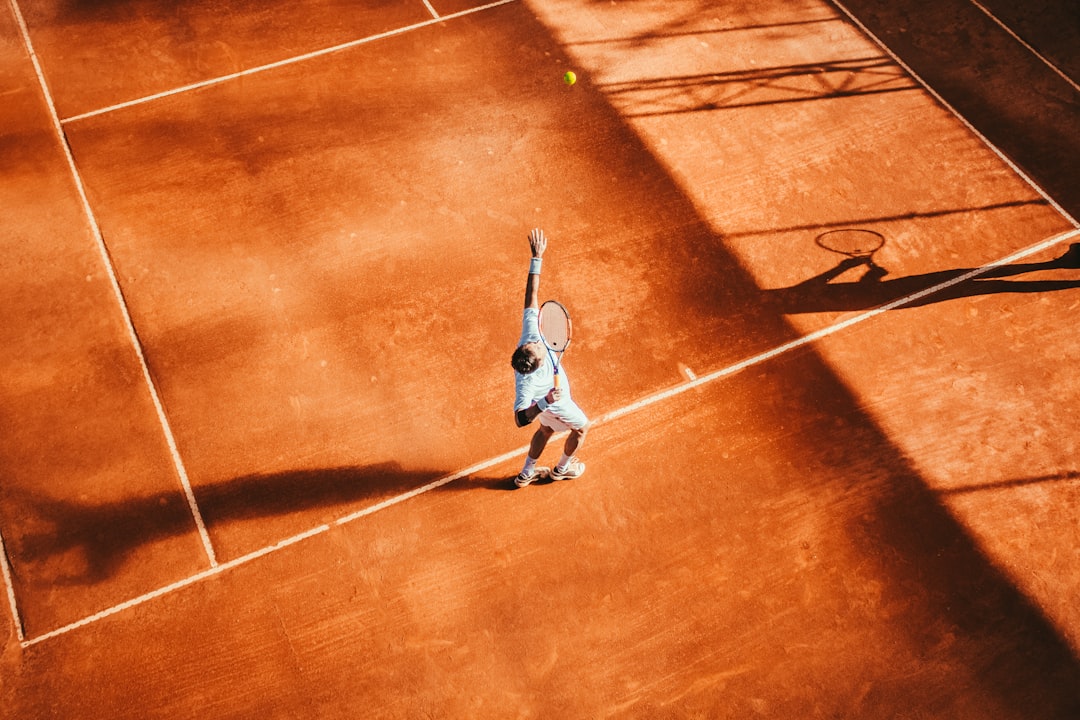
Why Coaching Quality Matters More Than Facilities
A player with a mediocre coach on a public court will develop more effectively than a player with a poor coach on a private club court. Tennis technique, once learned incorrectly, is extraordinarily difficult to unlearn — a player who has spent two years grooving a flawed forehand grip or a faulty serve action will take years of additional coaching to correct what would have been easy to set right at the beginning.
Choosing carefully at the outset — whether for a child beginner or an adult picking up the game — is the highest-leverage coaching decision you will make.
Qualifications to Look For
Tennis coaching in South Africa is overseen by Tennis South Africa (TSA), which runs a national coach certification programme. Levels range from Club Coach (entry level, for group beginner instruction) through Development Coach to Performance Coach (elite player development). Ask any prospective coach for their TSA certification level.
ITF (International Tennis Federation) Level 1 and Level 2 certification is also recognised and indicates coaches who have completed internationally standardised training. The Professional Tennis Registry (PTR) and the United States Professional Tennis Association (USPTA) certifications are internationally recognised alternatives.
Absence of formal certification does not automatically mean a coach is ineffective — some experienced former competitive players teach well without formal pedagogy. But certification indicates that a coach has at least been assessed against a structured standard.
What to Observe Before Committing
Before booking a course of lessons, ask to observe the coach teaching a student at your level or your child's level. Watch for:
- Does the coach demonstrate the technique they are describing, or only talk about it?
- Is feedback specific and actionable ("keep your tossing arm up longer") or vague ("that was better")?
- Is the student hitting balls for most of the lesson, or standing listening?
- Does the coach correct fundamental errors or let them repeat?
- Is the atmosphere encouraging or tense?
A good lesson has high ball contact time, specific technical feedback, and visible progression across the session. A poor lesson has the coach feeding balls while the student hits without correction or feedback.
Lesson Structure and Format
For beginners and intermediates, semi-private lessons (two to four students with one coach) typically offer better value than private lessons at equivalent cost. The additional court time for each student, combined with the social element and the ability to observe and learn from peers, often produces faster development than solo private sessions for players under a 4.5 level.
For competitive players working on specific technical or tactical elements, private sessions are appropriate. Confirm what the lesson will focus on and what the intended outcome is before each block of lessons.
Fees
Tennis coaching fees in South Africa in 2026:
- Group lessons (4–8 players) — R150 to R300 per person per hour
- Semi-private (2–3 players) — R250 to R500 per person per hour
- Private lessons — R400 to R900 per hour depending on the coach's level and location
- Junior development programmes — R600 to R1,800 per month for structured weekly group sessions
Fees at private clubs are typically at the higher end; municipal court coaches and independent coaches are often more affordable with equivalent or better quality. Do not use fee alone as a proxy for quality.
Red Flags
- A coach who cannot explain why they are asking you to change a technique
- Lessons where you or your child hit fewer than 100 balls in an hour
- No warm-up or cool-down structure
- A coach who dismisses questions about technique or approach
- Inconsistent scheduling or frequent last-minute cancellations
If a student is not visibly improving after three months of regular coaching, the coaching is not working. Change coaches without guilt — the goal is your development, not the coach's feelings.