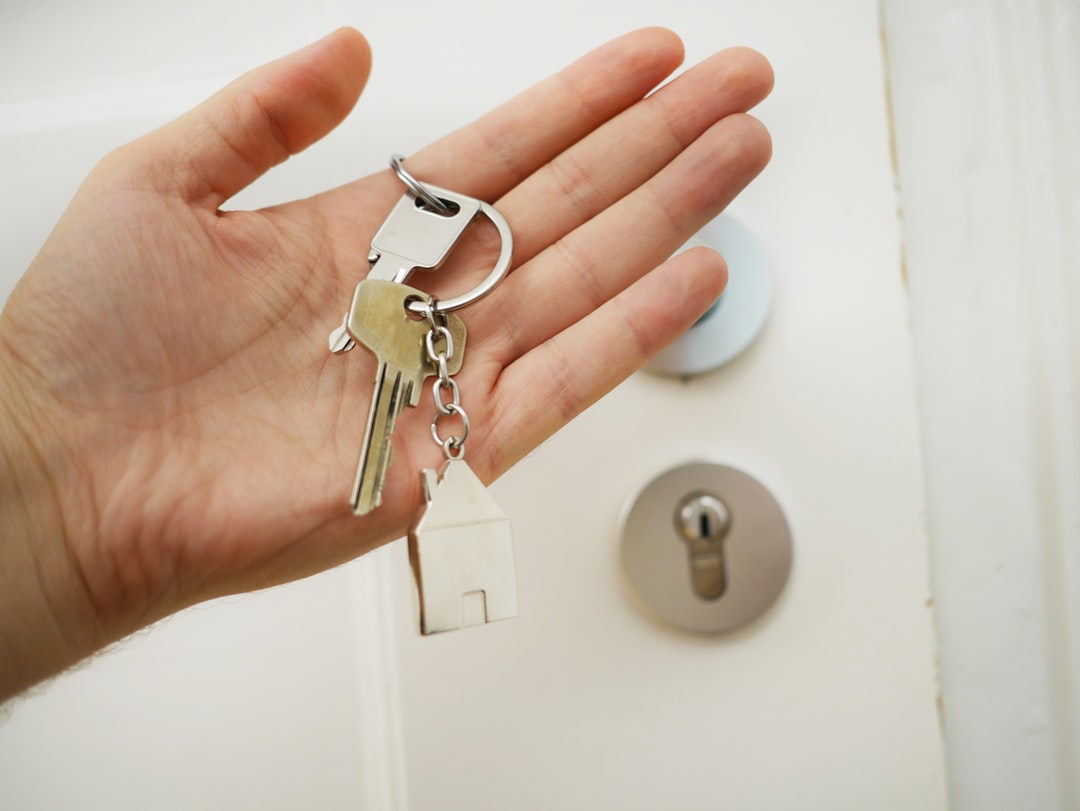
Being locked out of your home or vehicle is one of those situations where the temptation to call the first number that appears in a Google search is overwhelming. The locksmith industry in South Africa is one of the most common arenas for consumer exploitation precisely because customers are always in distress when they call, rarely have a trusted locksmith in their contacts, and have almost no ability to assess the competence or honesty of whoever arrives. The result is a market where fake locksmiths, severely inflated invoices, unnecessary lock replacements, and outright scams are well documented — and where legitimate, honest locksmiths exist in every area but are harder to find without preparation.
This guide covers how to find a legitimate locksmith in South Africa, what the job should cost, the scam patterns to watch for, and why the best time to research a locksmith is before you need one.
Is Locksmithing Regulated in South Africa?
Locksmithing in South Africa is regulated under the Private Security Industry Regulation Act (PSIRA). Locksmiths who install, repair, or maintain locks as a business activity are required to be registered with PSIRA (the Private Security Industry Regulatory Authority). A PSIRA-registered locksmith can be verified on the PSIRA website.
In practice, many residential lockout services operate without PSIRA registration, and enforcement is inconsistent. However, asking for a PSIRA registration number immediately identifies whether you are dealing with a formal, regulated business or an unregistered operator. A registered locksmith is more accountable — they can be reported to PSIRA for misconduct, which gives you recourse. An unregistered operator has no professional accountability.
Also ask whether the locksmith is a member of the Locksmiths Association of South Africa (LASA). LASA membership is voluntary but indicates a practitioner who takes professional standards seriously and has access to industry training and certification.
How the Most Common Locksmith Scam Works
The "bait and switch" locksmith scam is well documented in South Africa and internationally. The pattern:
You search online for a locksmith near you. A result appears with a local address and a reasonable advertised price (often R200–R400 callout). You call — the person who answers sounds professional and confirms the low price. A technician arrives 20–40 minutes later. After looking at the lock, they say it is a "high-security lock" or "the lock must be drilled" and quote R1,500–R4,000 for the job. You are locked out, distressed, and the car/home is needed urgently. You agree. They do the work — which often takes 10 minutes — and present the invoice.
The advertised low price is a bait to get them on site. The inflated on-site quote exploits the distress and urgency of the situation. The "drilling" is often unnecessary — most standard residential locks can be picked or bumped open by a competent locksmith without destruction. Drilling a lock is sometimes necessary, but it should be the last resort, not the first option.
Warning signs that you are dealing with a bait-and-switch operator: no physical premises visible online (only a phone number), the phone is answered by a call centre that sub-contracts to unknown technicians, the advertised price is significantly below market rate, the technician arrives in an unmarked vehicle with no ID or company markings.
What Legitimate Locksmith Work Should Cost
Locksmith services in South Africa are priced by callout fee plus labour and parts. Legitimate callout fees and service rates (2026):
Standard lockout (residential, picking or bumping a standard pin tumbler lock):
- Business hours callout and open: R400–R800
- After-hours callout and open: R700–R1,400
Lock cylinder replacement (supply and fit, standard quality cylinder):
- R300–R700 for the cylinder plus R300–R600 labour
Deadbolt or mortice lock replacement:
- R600–R2,500 for the lock (depending on security grade) plus R400–R800 labour
Vehicle lockout (slim jim, decode, or programming):
- Standard vehicle: R500–R1,000 business hours; R800–R1,500 after hours
- Transponder key cutting and programming: R800–R3,500 depending on vehicle make and key type
Safe opening (without combination or key):
- R1,500–R5,000+ depending on safe type and method required
Any quote that substantially exceeds these ranges before the work has begun warrants either a second call to another locksmith or a direct question about the specific reason for the premium.
How to Verify a Locksmith Before They Arrive
In the minutes between calling and the locksmith arriving, do the following:
Search the company name (not just the phone number) to find reviews. Look for a physical business address — a legitimate operation has premises. Check the PSIRA website for the business or individual name. Ask the person on the phone for their PSIRA registration number and company name before they arrive.
When the locksmith arrives: ask for ID and their PSIRA registration card. Check that the vehicle has company branding (not always the case for legitimate sole operators, but common for established businesses). Ask for a price before any work begins — get this in writing (a photo of their quote on a form or a WhatsApp message is sufficient).
If they change the price significantly after starting work, you have the right to stop the work at that point. The Consumer Protection Act requires that price changes are agreed before the new work proceeds.
When Lock Drilling Is and Is Not Necessary
A competent locksmith can open the majority of standard residential locks (pin tumbler cylinders, wafer locks, disc detainer locks) by picking or bumping — without damaging the lock. Lock drilling is destructive and irreversible, requiring lock replacement afterwards. It is genuinely necessary for:
- High-security locks designed to resist picking (Medeco, Abloy, ASSA Abloy grade 4+)
- Locks where the mechanism has seized or is physically damaged
- Some electronic locks with failed power or electronics
It is not necessary for most standard residential locks. If a locksmith immediately recommends drilling a standard residential lock without attempting picking, ask why drilling is required. The answer should be specific and technically coherent, not vague.
The Best Time to Find a Locksmith
The best time to research a locksmith is before you are locked out. Save the number of a PSIRA-registered, reviewed locksmith in your phone contacts now. When you actually need one, you will call that number rather than the first Google result.
Also worth doing proactively: have a spare key cut and give it to a trusted neighbour, family member, or keep one in a combination key safe mounted outside the property. This eliminates a significant proportion of emergency lockout situations entirely.
Quick Checklist When You Need a Locksmith
- Search for the company name (not just the number) to find reviews before calling
- Ask for the PSIRA registration number and company name when you call
- Ask for a price range over the phone before anyone is dispatched
- When they arrive, ask for ID and confirm who sent them
- Get a firm price before any work starts — not after
- If drilling is recommended for a standard lock, ask specifically why picking is not possible
- Pay by EFT rather than cash where possible — creates a paper trail
- Save a reviewed locksmith's number before you need one
A locksmith who is honest about pricing, transparent about their identity, and technically competent is not hard to find — but they are harder to find in 10 minutes on the side of the road. Reading locksmith reviews on KiesSlim for your area and saving a trusted number in your contacts costs you five minutes now and could save you R1,500 and significant stress when you actually need help.