Why the Installer Matters as Much as the Unit
Air conditioning is a significant investment — a quality split unit with professional installation typically costs between R10,000 and R30,000 depending on the capacity and the complexity of the job. A poorly installed unit will underperform, use more electricity than it should, and fail earlier than it should. The difference between a competent installation and a rushed one can easily cost you thousands in early repairs and wasted energy over the life of the unit.
In South Africa, anyone can technically install an air conditioner — there is no licensing requirement that prevents an unqualified person from doing the work. However, handling refrigerant gas is regulated: technicians who work with refrigerants must be registered with the South African Qualifications and Certification Committee for Gas (SAQCC Gas), and the specific refrigerant competency card must cover the type of refrigerant used in the unit being installed.
Types of Air Conditioning Units
Before getting quotes, understand which type of unit suits your situation:
- Wall-mounted split unit: The most common residential choice. One indoor unit mounted on the wall connects via pipes to an outdoor compressor unit. Efficient, relatively quiet, and available in a wide range of capacities. One indoor unit serves one room or open-plan area.
- Multi-split system: A single outdoor unit connected to multiple indoor units in different rooms. More expensive upfront but neater than multiple single units. Suitable for cooling several rooms without multiple outdoor compressors.
- Cassette unit: Installed in the ceiling. More complex to install, typically used in commercial settings or larger open-plan residential spaces. Provides more even air distribution than a wall-mounted unit in a large space.
- Ducted system: A central unit with ducting distributing cool air throughout the building via vents in each room. The most expensive option and requires significant installation work. Common in larger homes and commercial buildings.
- Portable unit: Requires no permanent installation. Lower efficiency than split units and typically only appropriate for temporary cooling or situations where permanent installation is not possible.
For most South African homes, a wall-mounted split unit is the right choice for individual rooms, and a multi-split system makes sense when cooling two to four rooms from a single outdoor unit.
Sizing: The Critical Variable
Air conditioner capacity is measured in BTUs (British Thermal Units) or kilowatts. An undersized unit will run continuously without reaching the target temperature and will wear out faster. An oversized unit will cool the space quickly but cycle on and off too frequently, which reduces energy efficiency and dehumidification performance.
A basic rule of thumb is 125–150 watts of cooling capacity per square metre of floor area, adjusted for ceiling height, insulation, and sun exposure. A south-facing room with good insulation needs less capacity than a west-facing room with large glass doors and no shade.
Any professional installer should do a proper heat load calculation for the space before recommending a unit. If they simply ask the room size and immediately recommend a unit without discussing ceiling height, sun exposure, or insulation, they are guessing rather than calculating.
Qualifications to Ask For
Ask any prospective installer the following:
- Are you registered with SAQCC Gas, and does your registration cover the refrigerant used in the units you install?
- Is your installation team employed by you, or do you subcontract the installation?
- Do you carry public liability insurance?
- Do you offer a workmanship guarantee on the installation?
Ask to see the SAQCC Gas registration card or certificate. This is a straightforward request and any legitimate installer should be able to provide it without hesitation.
What a Proper Installation Includes
A quality split unit installation should include:
- Correct positioning of the indoor unit for optimal airflow and aesthetics
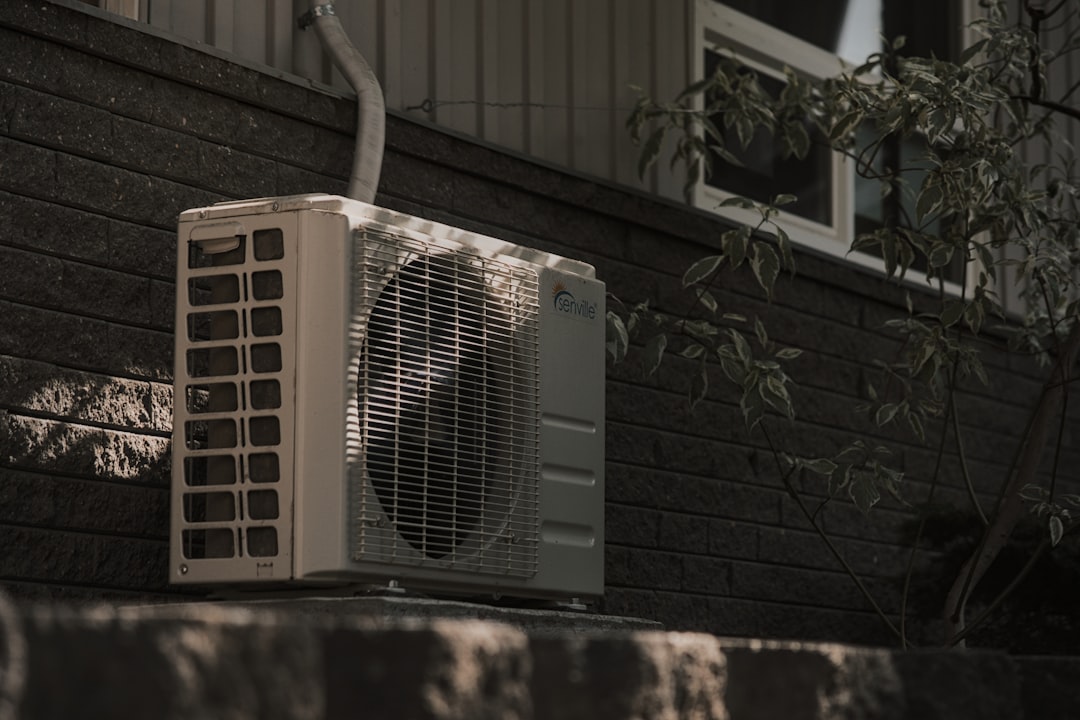
- Correct positioning of the outdoor unit — adequate clearance, protection from direct sun where possible, and secure mounting
- Proper refrigerant line sizing, insulation, and routing through the wall
- A condensate drain correctly routed to a suitable outlet (not simply draining down the outside wall)
- A dedicated electrical circuit if the unit requires one, or confirmation that the existing circuit is adequate
- A pressure test and vacuum of the refrigerant lines before charging
- Commissioning of the unit with temperature and performance checks
- A walkthrough of the remote control and settings
Be cautious of installations where the outdoor unit is placed directly on the ground without a bracket, where the refrigerant lines are not insulated, or where the condensate drain simply drips down a wall. These are signs of a rushed installation that will cause problems.
Load Shedding and Inverter Technology
Most modern split units sold in South Africa use inverter technology. An inverter unit adjusts its compressor speed rather than cycling on and off at full power — this makes it significantly more energy efficient than a non-inverter unit and also results in more consistent temperature control.
Inverter units are also generally more tolerant of voltage fluctuations, which matters in a South African context where grid quality can be inconsistent. For most residential applications, an inverter unit is the right choice despite the slightly higher purchase price.
If you are considering connecting your air conditioner to a backup power system, discuss this with the installer before purchasing the unit. Some units have minimum startup current requirements that may exceed what a smaller inverter or generator can supply.
Getting Quotes: What to Compare
When comparing quotes, make sure you are comparing like for like:
- The brand and model number of the unit
- The capacity in BTU or kilowatt
- Whether the outdoor unit bracket, refrigerant lines, and condensate drain are included
- The length of refrigerant piping included — longer runs cost more
- Electrical connection costs — is a new circuit required?
- The warranty offered on the unit and on the installation workmanship
- VAT inclusion
Ongoing Maintenance
Air conditioners require annual servicing to maintain efficiency and extend the life of the unit. This involves cleaning the filters and coils, checking the refrigerant charge, and inspecting the condensate drain and electrical connections. Skipping annual maintenance is one of the most common reasons air conditioners fail prematurely.
Ask your installer whether they offer a maintenance contract and what it includes. Some installers offer discounted servicing to clients who purchased units through them. Whether you use the installer or a separate company for maintenance, budget for at least one service per year.
The Bottom Line
The right air conditioning installer does a heat load calculation before recommending a unit, holds valid SAQCC Gas registration, provides a written quote that itemises what is included, and stands behind their workmanship with a guarantee. An underpowered unit installed by an unqualified person will cost you more in electricity and repairs than you saved on the installation. Take the time to compare at least three quotes and ask the right questions before anyone drills a hole in your wall.