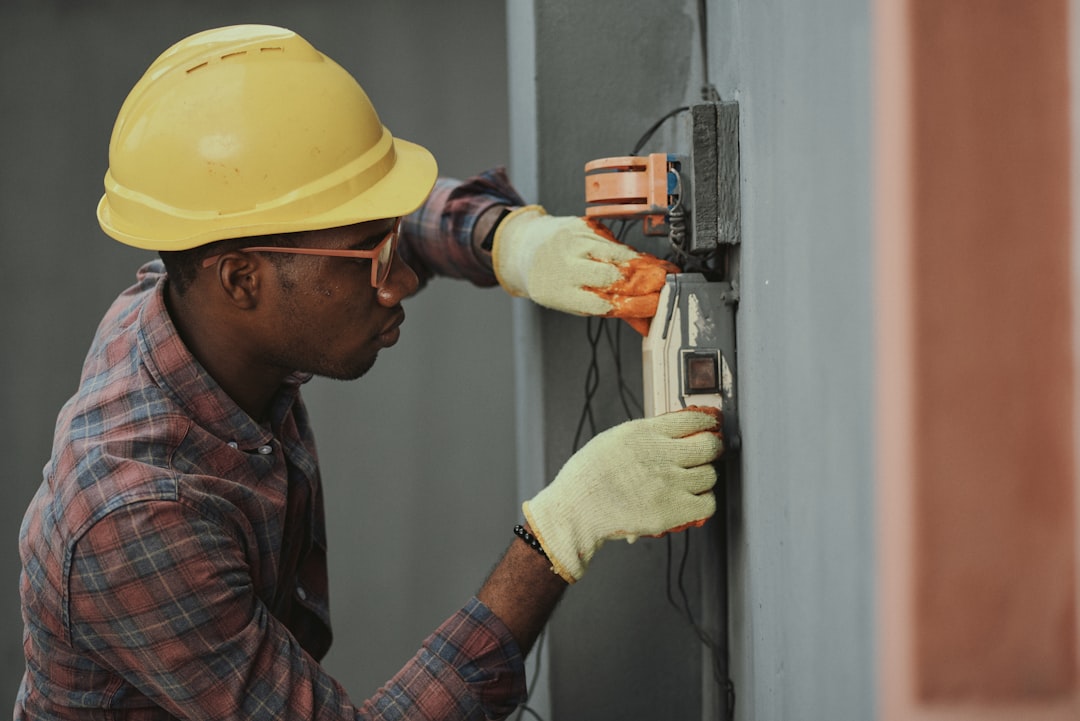
Faulty electrical work is one of the leading causes of house fires in South Africa. An unlicensed electrician who wires a circuit incorrectly may create a hazard that takes months or years to manifest — long after they have been paid and moved on. The consequences can range from a rejected insurance claim to a tragedy.
South Africa has a clear regulatory framework for electrical work. Understanding the basics puts you in a stronger position when hiring someone — here is what to check, ask, and watch for.
Registration with the Department of Labour is Non-Negotiable
All electricians in South Africa who perform electrical installation work must be registered with the Department of Labour (DoL) as an Approved Installer. This registration means they have passed the required trade tests and are qualified to issue a Certificate of Compliance (COC) for completed work.
Ask any electrician you consider hiring for their DoL registration number. A registered electrician will have this immediately available. You can verify registration through the DoL or the Electrical Contractors Association of South Africa (ECASA). Do not proceed with any electrician who cannot provide a valid registration number.
Note the distinction between a qualified electrician and a handyman who does electrical work on the side. Many people call themselves electricians without having completed the required apprenticeship and trade tests. Only a registered Approved Installer can legally issue a COC — and without a COC, certain work is not legally compliant regardless of how well it was done.
The Certificate of Compliance — What It Is and When You Need One
A Certificate of Compliance (COC) is a legal document confirming that an electrical installation meets the requirements of the South African National Standard SANS 10142. It is issued by a registered electrician after inspecting or completing work on an installation.
You need a COC when selling a property — by law, the seller must provide a valid COC to the buyer. You also need one after any new electrical installation or significant modification to an existing installation. Landlords are required to have a valid COC for rental properties.
A COC is valid for two years for rental properties and does not expire for owner-occupied homes as long as no changes have been made. When getting a COC, make sure it covers all the work that was done — a COC for a single circuit does not cover the rest of the installation.
Get Written Quotes and Understand What You Are Paying For
Electrical quotes should be itemised. You should be able to see the cost of labour separately from the cost of materials, and the specific work to be done should be clearly described. A single-line quote with just a total price gives you no way to assess whether the pricing is reasonable or to identify where costs could be reduced.
For any job beyond a simple fault-finding call-out, get two or three quotes. Prices for electrical work vary significantly, and a second quote is often revealing. Be specific about what you want done — vague descriptions lead to vague quotes and potential disputes about what was included.
Ask specifically whether the quote includes the cost of a COC if one is required. Some electricians quote for the work and then add the COC as an extra. The COC should be included in the quote from the start so there are no surprises at the end.
Load Shedding Has Created New Risks — Solar and Inverter Installations
South Africa's load shedding years drove enormous demand for solar panels, inverters, and battery backup systems. This surge in demand brought a corresponding surge in unqualified installers offering these services at attractive prices.
Solar and inverter installations connected to the grid require registration with the local municipality and, in many cases, sign-off from the network service provider. Only a registered electrician can legally complete this work. An unregistered solar installation may void your insurance, create safety hazards, and cause problems when you eventually sell the property.
For any solar or inverter installation, ask specifically whether the installer is registered with the DoL, whether the installation will be registered with the municipality, and whether a COC will be issued.
What the Call-Out Should Look Like
A trustworthy electrician will assess the problem before quoting for a solution. They will explain what they found, what caused it, and what needs to be done to fix it. They will give you options where options exist — for example, whether to repair or replace aging components. They will not pressure you into immediate decisions on expensive work.
Ask upfront what the call-out fee is and whether it is deducted from the cost of the repair if you proceed. Many reputable electricians deduct the call-out fee from the job total — some do not, and that is acceptable as long as it is clear from the start. What is not acceptable is a call-out fee only disclosed after the electrician arrives.
Red Flags That Should Stop You
An electrician who cannot provide a DoL registration number should not be hired, regardless of how cheap their quote is. An electrician who discourages you from getting a COC, or implies a COC is unnecessary for work that legally requires one, is either unregistered or cutting corners.
Cash-only payment with no invoice is a red flag. A refusal to provide a written quote is a red flag. Pressure to start work immediately before you have had time to consider the quote or check credentials is a red flag. For anything involving significant expenditure, a second opinion is always worth getting.
Quick Checklist Before You Hire
- Verify DoL Approved Installer registration number
- Confirm a COC will be issued if required for your job
- Get a written, itemised quote before work starts
- Confirm the COC cost is included in the quote
- Confirm call-out fee before they arrive
- Get two quotes for jobs over R3,000
- For solar or inverter work: confirm municipality registration will be completed
- Never pay the full amount before the job is done and inspected
When looking for an electrician in your area, focus on reviews from homeowners who had similar work done. Consistent feedback on quality, pricing transparency, and how they dealt with problems tells you far more than any advertisement or website.