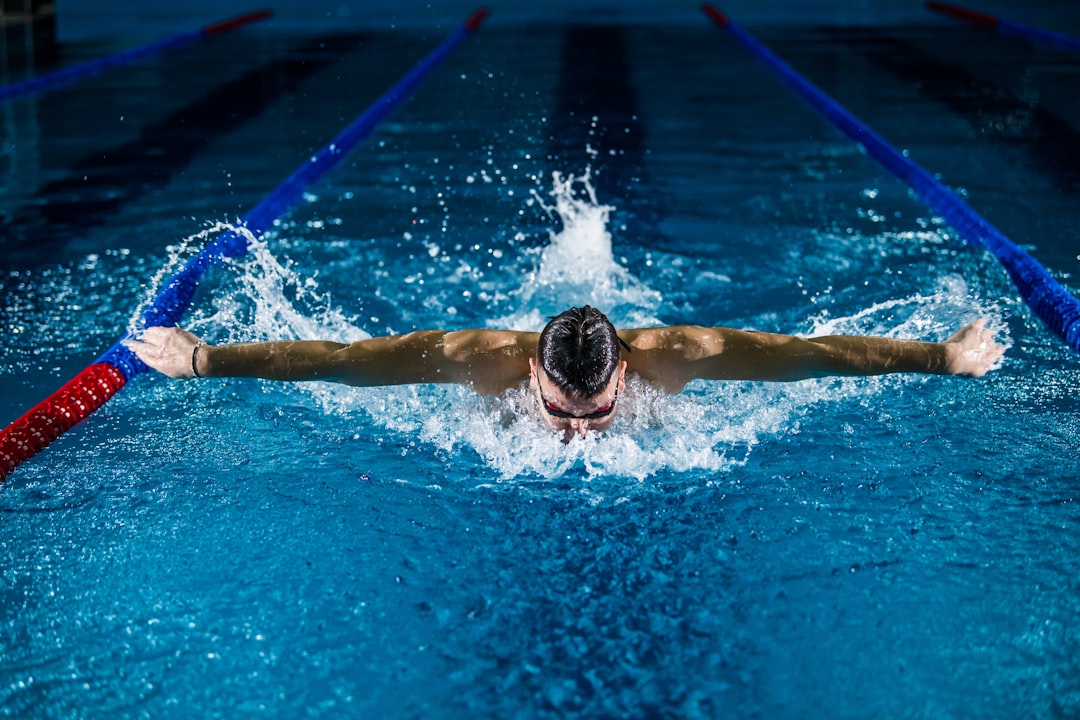
Swimming is both a life skill and a recreational activity, and for many South African families it is also a safety imperative — drowning is one of the leading causes of accidental death in children in South Africa, and a child who cannot swim is at significant risk in a country where backyard pools, rivers, dams, and ocean access are part of everyday life. Choosing the right swimming instructor is therefore not purely an enrichment decision — for young children in particular, it is a safety one. The quality of the instructor shapes whether a child develops genuine water confidence and competent swimming skills, or merely a superficial familiarity with the pool that does not hold up when it matters.
This guide covers what qualifications to look for, what effective swimming teaching looks like at different ages and ability levels, how to evaluate instructor-to-swimmer ratios, what safety standards a proper swim school should maintain, and the questions worth asking before you enrol a child or yourself in a programme.
Qualifications and What They Mean
Swimming instruction in South Africa is not a fully regulated profession, but several recognised qualification frameworks provide meaningful assurance of a teacher's competence. The Swimming South Africa (SSA) coaching certification is the most widely recognised national standard, with levels ranging from foundation coaching through to advanced performance coaching. Swim England and the Royal Life Saving Society (RLSS) qualifications are also widely recognised and used in South Africa, particularly for water safety-focused instruction.
Separately from teaching qualifications, every swimming instructor working with children or supervising pool sessions should hold a current lifesaving qualification — at minimum a Bronze Medallion or Bronze Cross from the RLSS or equivalent. This certification ensures the instructor has the skills to respond to a water emergency involving a swimmer in their care. An instructor who cannot perform a water rescue is a safety gap, regardless of how good their teaching methodology is.
First aid certification is also a baseline requirement for anyone running a swimming programme involving children. Ask any instructor or swim school whether their staff hold current first aid certification — the question is reasonable and a professional operation will have a clear answer.
For adult learn-to-swim and stroke correction programmes, ASA (Aquatic and Safety Australia) methodology-trained instructors and those with experience from recognised programmes like Total Immersion are well regarded for their systematic, technique-focused approach to adult swimming development.
Age-Appropriate Teaching — What to Look For
Teaching methodology differs significantly between age groups, and an instructor who is excellent with adults or school-age children may not be appropriate for toddlers or babies. Infant and toddler aquatics (typically from 6 months to 3 years) focuses on water familiarisation, breath control, and basic safety skills. This requires specialised training in infant aquatics — look for instructors trained through programmes like the YMCA, Swim Australia, or similar infant aquatics curricula.
For preschool swimmers (ages 3–5), the most effective teaching builds water confidence progressively — never forcing a child into submersion or deeper water before they are ready, which can cause lasting fear. Watch how an instructor responds when a child is anxious or resistant. A skilled early childhood swimming teacher will use play, games, and gradual progression to build confidence. An instructor who pushes or forces children past their comfort level is not teaching effectively and may cause harm to the child's long-term relationship with water.
For school-age children developing stroke technique, lessons should include specific, correctable feedback on body position, breathing, arm action, and kick — not just time spent swimming laps. A lesson where children simply swim back and forth without structured skill development is exercise, not instruction.
For adults who are learning to swim or improving their technique, effective instruction involves understanding the specific blocks — whether fear-based, technique-based, or fitness-based — and systematically addressing them. Many adults who "cannot swim" are actually capable of basic water survival but have developed habits and anxiety patterns that prevent efficient swimming. An instructor with experience in adult beginner teaching understands this and approaches it differently from a children's programme.
Instructor-to-Swimmer Ratios and Pool Safety
The ratio of instructors to swimmers in a lesson affects both safety and learning quality. South African guidelines and industry best practice suggest a maximum of 6–8 children per instructor for school-age lessons, and 4–6 for preschool and toddler groups. Infant aquatics with parent participation may accommodate slightly more, since parents are in the water supporting their children.
During your evaluation visit, count the number of swimmers per instructor in the lessons you observe. A ratio significantly higher than these benchmarks means each child receives less individual attention and the instructor is stretched too thin to maintain adequate supervision. Safety degrades with ratio — a single instructor managing 12 children in a pool is not in a position to respond quickly to a child in distress at the other end of the group.
The pool itself should have clear depth markings, adequate anti-slip surfaces on the surrounds, a functioning pool gate that self-closes and self-latches if children are on site, and a visible emergency plan. Ask whether the facility has a rescue tube or other lifesaving equipment accessible at the poolside, and where the nearest telephone is for emergency calls.
A reputable swim school will have a clear emergency action plan — what happens if a swimmer is in distress, who calls emergency services, who performs the rescue, how parents are notified. A school that has not thought through this plan has not prepared adequately for the most serious risk in their operating environment.
What Good Lessons Look Like in Practice
A productive swimming lesson has structure, clear goals, and active teaching throughout. The instructor should be engaged with swimmers throughout — demonstrating techniques, providing feedback, correcting errors, encouraging progress. A lesson where the instructor stands at the pool edge checking a phone while children swim laps is not a lesson.
Watch whether the instructor provides individual feedback or only group instructions. Each swimmer has different strengths and different errors. An instructor who addresses the whole group constantly without ever working one-on-one with individual swimmers is providing group supervision rather than instruction.
Progression should be visible over time. After a reasonable period of lessons — say, eight to twelve weeks for a beginner — you should be able to observe measurable improvement: greater comfort in the water, improved stroke technique, greater distance swimming, confidence in deeper water relative to the baseline. If progress is not visible after a sustained period, either the teaching approach needs to change or the lesson frequency is insufficient for meaningful development.
Questions to Ask Before You Enrol
What qualifications do your instructors hold, and do they all have current lifesaving and first aid certification? A professional swim school will have clear, documented answers to this question. Vagueness or deflection is a warning sign.
What is your maximum instructor-to-swimmer ratio for the specific class my child would be in? Get a specific number, not a general assurance that class sizes are small.
What is your emergency action plan? Any swim school operating professionally should be able to walk you through this immediately. It should include who performs rescues, who calls emergency services, and where the emergency contact numbers are posted.
How do you handle a child who is anxious or fearful of the water? The answer tells you about their pedagogical approach to child development and whether they are equipped to work with the wide range of temperaments they will encounter.
Can I observe a lesson before enrolling? Any confident, professional swim school will welcome this. Resistance to observation is a significant red flag.
Red Flags to Watch For
Instructors with no verifiable qualifications or lifesaving certification. This is a safety baseline, not a premium feature. Anyone supervising children in a pool who cannot respond to a water emergency is a liability.
Poor pool safety infrastructure — no self-latching gate, no depth markings, no visible rescue equipment, no posted emergency procedures. These are indicators of an operator who has not thought seriously about the risks of their operating environment.
Lessons that are primarily social rather than instructional. A splash-and-play session is fun but is not developing swimming skills. If the child has been attending for months without measurable skill progression, the programme is not delivering meaningful instruction.
Dismissiveness about children's fear or anxiety in the water. Forced submersion and other coercive approaches to overcoming water fear are contraindicated by all major aquatic education frameworks and can cause lasting anxiety. An instructor who says "all kids cry at first, they get used to it" about a child who is genuinely distressed in every lesson is not teaching effectively.
Quick Checklist Before You Enrol
- Ask for instructor qualifications — SSA, RLSS, or equivalent — and confirm current lifesaving and first aid certification
- Ask for the specific instructor-to-swimmer ratio for the class you are considering
- Observe a lesson at the time slot you would use before committing to a programme
- Check pool safety infrastructure — gate, depth markings, rescue equipment, emergency plan
- Ask how they handle anxious or fearful children and observe how the instructor interacts with the group
- Assess whether lessons are instructional or primarily supervisory — are individual corrections being given?
- Confirm the emergency action plan before handing over responsibility for your child
- Check reviews from other parents, particularly about safety culture and how children have progressed over time
A good swimming teacher gives a child a skill and confidence that will protect and enrich their entire life. A poor one can create fear that takes years to undo. The extra effort of evaluating an instructor carefully before enrolment is completely worth it. Reviews from South African parents about their experiences at local swim schools — particularly about safety standards, teaching quality, and how children have progressed — are the most reliable guide available. KiesSlim makes it easy to find and compare swimming instructors near you.