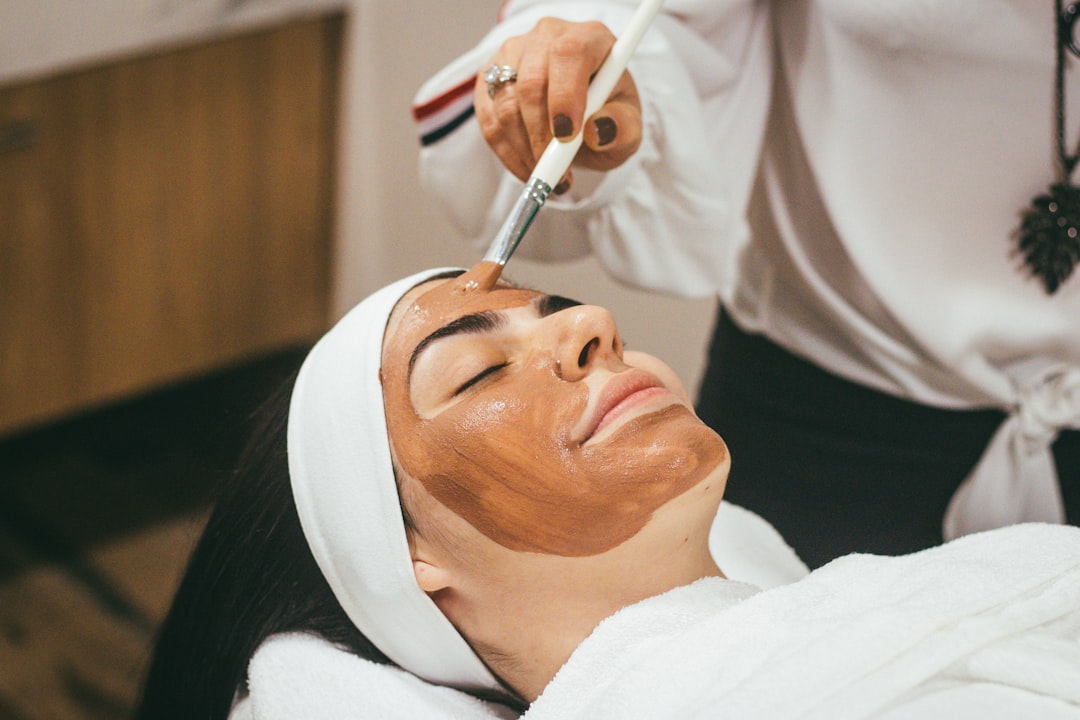
Skincare and facial therapy in South Africa spans an enormous range — from medically supervised aesthetic treatments using prescription-only agents to basic facials using supermarket-grade products, with almost every permissible combination in between. The industry uses sophisticated-sounding terminology and expensive equipment to project clinical authority regardless of the practitioner's actual training. For a consumer spending significant money on skin treatments, the gap between what is being sold and what can actually be delivered for your specific skin condition is often substantial.
This guide covers what qualifications and registration to look for, the difference between aesthetic medicine and beauty therapy, what a proper skin consultation should include, which treatment claims are realistic and which are not, and the practical steps to finding a therapist suited to your skin's actual needs.
Qualifications and What They Mean
Beauty therapy in South Africa is regulated through the Health and Welfare SETA (HWSETA), with qualifications ranging from NQF Level 2 (basic beauty skills) to NQF Level 5 (advanced aesthetic and skincare therapy). A qualified aesthetic therapist at NQF Level 5 has formal training in skin anatomy, physiology, product chemistry, treatment contraindications, and advanced treatment modalities. This level of training matters significantly for treatments that involve active ingredients, chemical exfoliation, microneedling, or device-based treatments.
The South African Institute of Beauty Therapists (SAIBTA) and the Health Professions Council of South Africa (HPCSA) are the relevant registration bodies at different qualification levels. For advanced treatments — chemical peels at higher concentrations, laser and IPL treatments, injectable procedures — practitioners require medical qualifications and must operate under a doctor's supervision or as a medical professional themselves. A beauty therapist cannot legally administer Botox or dermal fillers regardless of what they claim. These are scheduled medicines administered by medical practitioners.
Ask any skincare therapist you consider about their qualification level and where they trained. A diploma or certificate from an accredited institution is baseline. For advanced treatments, ask specifically about their training in that modality — chemical peels, microneedling, laser, radiofrequency — and how long they have been performing the treatment in practice. The volume of treatments performed matters for technical skill, particularly for treatments where technique directly affects outcomes and risk.
What a Proper Skin Consultation Should Include
A professional skincare therapist should not recommend treatments before understanding your skin. A proper consultation includes a thorough skin assessment — ideally using magnification and a skin analysis tool — that identifies your primary skin type, secondary conditions (dehydration, sensitivity, pigmentation, congestion, ageing), and any contraindications that affect which treatments are appropriate for you.
The consultation should cover your current skincare routine, the products you use, your lifestyle factors (sun exposure, diet, stress, smoking, alcohol), your medical history including any medications that affect skin (retinoids, certain antibiotics, some heart medications are photosensitising), and your specific skin concerns and treatment goals. This information is the basis for a rational treatment recommendation — without it, any treatment suggestion is arbitrary.
A therapist who recommends an expensive treatment package after a five-minute conversation without examining your skin is not conducting a consultation. They are making a sale. A genuine consultation takes 20–30 minutes, involves physical assessment of your skin, and may result in a recommendation to start with a less expensive treatment to assess your skin's response before committing to an advanced protocol.
After the consultation, you should receive a written treatment plan that specifies what treatments are recommended, why, in what sequence, how many sessions, and what the expected outcomes are over what timeframe. Having this in writing gives you a basis for tracking progress and for questioning the plan if results are not appearing as expected.
Matching Treatment to Skin Condition
The most common mismatch in skincare treatments is applying treatments that address the wrong underlying cause. A client with pigmentation caused by post-inflammatory hyperpigmentation (from acne) needs a different treatment approach from a client with melasma (hormonally influenced), even though both present as darker patches on the skin. A therapist who applies the same brightening facial to both without distinguishing the cause is likely to produce limited results for the melasma client and possible worsening if incorrect actives are used.
For acne-prone skin, the treatment approach depends on the type of acne — comedonal (blackheads and whiteheads), inflammatory (papules and pustules), or cystic. Each responds to different treatment modalities. A therapist who extracts aggressively on inflammatory or cystic acne without appropriate preparation and post-care is likely to worsen the condition. For moderate to severe acne, a dermatologist referral is frequently the most appropriate first step, with skincare therapy as a supportive rather than primary treatment.
For ageing concerns, be realistic about what non-medical aesthetic treatments can achieve. Good skincare, appropriate exfoliation treatments, and well-designed device-based treatments can meaningfully improve skin texture, tone, and hydration. They cannot eliminate deep wrinkles, significantly lift loose skin, or reverse significant volume loss — those outcomes require medical intervention. A therapist who promises outcomes beyond the realistic capability of the treatments they offer is overselling.
Red Flags That Should Give You Pause
High-pressure selling of treatment packages during the first consultation. A therapist who is quoting you a R15,000 package before they have fully assessed your skin and established a realistic treatment plan is prioritising revenue over your outcomes. Treatment packages can represent good value — but only once you have had at least one session and confirmed that the therapist's approach suits your skin.
Guaranteed results for specific skin conditions. Skin responds individually, and timelines for improvement vary based on skin type, lifestyle, compliance with at-home care, and the specific condition being treated. Any guarantee of a specific outcome in a specific timeframe is a claim that cannot be substantiated and should raise immediate scepticism.
Injectable treatments being offered by someone who is not a medical professional. Botox, dermal fillers, and similar injectables are prescription medicines. Only medical practitioners — doctors, nurse practitioners, and dentists within their scope — can legally administer them. A beauty therapist offering these treatments is operating illegally, and the safety risk to you is substantial.
No consultation before treatment. Any skincare treatment involving active ingredients, exfoliation, or device-based technology should be preceded by a skin assessment. A salon that puts you straight on the bed without asking about contraindications, current medications, or recent treatments is not operating safely.
At-Home Skincare and the Role of Professional Treatments
Professional treatments produce their best results when supported by a consistent, appropriate at-home skincare routine. A good skincare therapist will recommend specific products that complement their in-clinic treatment approach and will explain why each product serves your skin. A therapist who sells you an extensive product range without explaining what each product does and why you need it may be maximising retail revenue rather than optimising your routine.
The most impactful skincare investment for most South Africans — given the intensity of our UV environment — is a good broad-spectrum SPF 50 sunscreen worn daily. This single product prevents new pigmentation, protects against UV-induced ageing, and protects the results of any brightening or resurfacing treatments you receive. Any skincare therapist who is not emphasising daily sun protection in their recommendations is missing the most important element of an effective skincare approach for the South African climate.
Quick Checklist Before You Book
- Ask about the therapist's qualification level and where they trained — NQF Level 5 for advanced treatments
- Confirm any advanced treatments (chemical peels at higher concentrations, laser, IPL) are performed by appropriately trained and registered practitioners
- Expect a proper skin consultation before any treatment recommendation — 20–30 minutes, with physical skin assessment
- Ask for a written treatment plan with rationale, timeline, and realistic expected outcomes
- Do not commit to an expensive package after a first consultation — start with one session
- Be sceptical of guaranteed outcomes for specific skin conditions
- Confirm that anyone offering injectable treatments holds a medical qualification
- Check whether their skincare product recommendations come with explanations — not just price tags
Skincare is a long game — genuine improvement in most skin conditions takes months of consistent treatment and at-home care, not a single expensive session. The right therapist will set realistic expectations, personalise the approach to your specific skin, and support your progress over time. Reviews from South Africans who have used local skincare therapists can help you find a practitioner who produces real results rather than just a relaxing hour. KiesSlim makes it easy to compare skincare therapists near you based on real client experiences.