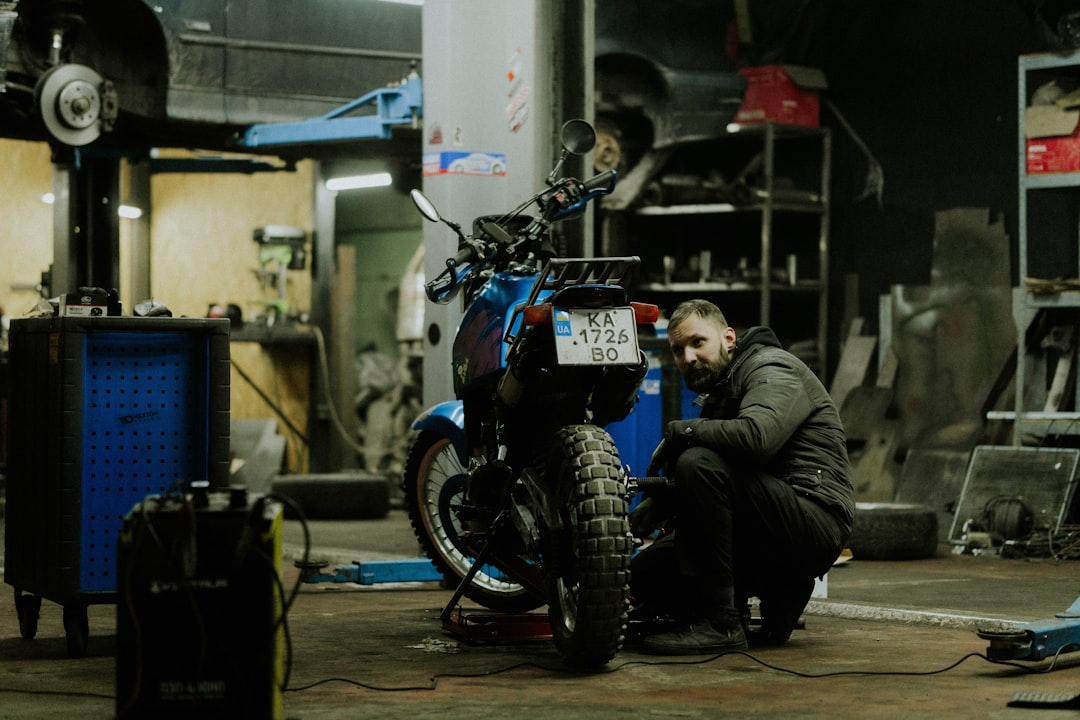
Your motorcycle is not just a vehicle — for many South African riders it is also a safety system, a daily commuter, and a significant financial asset. Getting your servicing and repairs done at the wrong workshop can result in parts fitted incorrectly, problems introduced during servicing, warranty voided through the use of non-approved oils or parts, and safety-critical systems that are not properly checked or adjusted. Unlike car workshops, where the diagnostic and service procedures are more standardised, motorcycle workshops vary enormously in their brand experience, technical training, and quality control.
This guide covers how to find a workshop suited to your specific motorcycle, how to evaluate their technical competence and equipment, how to get quotes that protect you from price surprises, what questions to ask before leaving your bike in their care, and the warning signs that should send you elsewhere.
Brand Expertise Matters More Than You Think
Motorcycles vary significantly between brands and models in their service procedures, torque specifications, diagnostic requirements, and known fault patterns. A workshop that predominantly services Japanese commuter bikes may have limited familiarity with the specific requirements of a BMW GS, a Ducati, or a Harley-Davidson. A workshop specialising in adventure bikes may not be the best choice for servicing a high-revving sportsbike that requires precise valve clearance adjustment.
Ask any workshop you are considering what brands and types of motorcycles they most commonly work on. Ask whether their mechanics have factory training or experience with your specific brand. For authorised dealership service centres, factory training is standard. For independent workshops, the answer varies significantly — the best independents have often accumulated years of specialist experience with specific brands, sometimes exceeding the depth of knowledge at a dealership service centre.
For bikes still under manufacturer warranty, using an authorised service centre for scheduled services is typically required to maintain warranty validity. Check the warranty terms before making this decision — the requirement is usually that services are performed according to the manufacturer's schedule using approved parts and fluids, which some independent workshops can also satisfy. Using a non-approved workshop or non-approved oils can void warranty coverage for powertrain components.
How to Evaluate a Workshop Before You Leave Your Bike
Walk through the workshop area if they will allow it. A well-run motorcycle workshop should be organised, with bikes secured on stands or paddock stands, tools properly stored, and parts clearly labelled. A workshop that is chaotic, where bikes are propped against walls or leaning on their sidestands in crowded conditions, is showing you something about how they manage their work.
Check the diagnostic equipment. Modern motorcycles, particularly fuel-injected models from the past decade, require manufacturer-specific diagnostic tools to read fault codes, reset service intervals, and configure electronic systems like traction control, ABS, and ride modes. A workshop that does not have — or cannot access — the appropriate diagnostic software for your bike is working with one hand tied behind their back on any fault that involves electronics.
Ask who will actually be working on your bike. Many workshops have mechanics of varying experience levels. A senior, experienced mechanic working on a complex service or diagnostic job produces a different outcome from a junior who is still developing their diagnostic skills. For anything beyond a routine service, ask that an experienced mechanic with specific knowledge of your bike handles the work.
Look at how long the workshop has been operating and what their reputation is in the riding community. The South African riding community is connected — online forums, Facebook groups, and WhatsApp communities for specific brands and riding styles are active and freely share workshop recommendations and warnings. The collective experience of local riders is one of the most reliable sources of information about which workshops consistently do good work.
Getting an Accurate Quote and Understanding What Is Covered
Get a written quote before authorising any work. The quote should specify what is being done, which parts are being replaced and whether they are OEM (original equipment manufacturer) or aftermarket, and the labour rate and estimated hours. Without a written quote, you have no protection against a bill that is significantly higher than the verbal estimate you received.
Understand the difference between OEM parts and aftermarket parts, and make an active choice about which you want. OEM parts are manufactured by or for the motorcycle manufacturer and are typically more expensive but guaranteed to meet the bike's specifications. Quality aftermarket parts from reputable brands — Brembo brake components, for example, or EBC brake pads — are often equivalent or superior to OEM for specific applications. Generic, unbranded cheap parts carry significantly more risk, particularly for safety-critical components like brake pads, brake lines, and chain and sprocket kits.
Labour rates in South Africa vary significantly between regions and workshop types. Authorised dealerships tend to charge the highest hourly rates. Specialist independent workshops typically charge less. A general mechanic who also works on motorcycles occasionally may charge less still — but the risk is that their motorcycle-specific knowledge is limited. For safety-critical work, paying a higher labour rate for genuine expertise is almost always worthwhile.
Safety-Critical Systems — Do Not Cut Corners
Motorcycles have a narrower margin for mechanical error than cars. A brake system that is not bled correctly, tyres that are at incorrect pressure or fitted with the wrong profile, a chain that is incorrectly tensioned or worn past service limits, or steering bearings that are too tight or too loose all have direct safety consequences. These are not abstract risks — they affect your ability to stop, steer, and maintain control in emergency situations.
Any workshop doing a major service should check or service brakes, tyres, chain and sprockets, steering bearings, wheel bearings, lights, and throttle operation as a baseline. Ask specifically what is included in the service you are authorising. A service that covers oil and filter, air filter, spark plugs, and nothing else may technically be a "service" but is missing safety checks that matter every time you ride.
Tyre fitting in particular requires proper motorcycle-specific equipment. Tubeless motorcycle tyres must be fitted and balanced on equipment designed for motorcycle rims — car tyre fitting equipment can damage the rim bead seat and create seal problems. Ask whether their tyre fitting equipment is motorcycle-specific before authorising any tyre work.
What to Ask Before Leaving Your Bike
What is your estimated turnaround time, and will you contact me if additional work is identified during the service? You should never be presented with a significantly higher bill than quoted without prior authorisation. Any workshop that authorises additional work beyond the original scope without contacting you first is not respecting your ownership of the decision.
What parts will you be using, and are they OEM or aftermarket? The answer to this question determines the quality of the service and helps you understand the pricing.
Will you be road testing the bike after the service? Any significant mechanical work should be followed by a road test to confirm everything is operating correctly before the bike is handed back. A workshop that does not road test after mechanical work is not completing the quality check that is part of professional servicing.
Do you offer any warranty on your labour? Most reputable workshops offer some form of guarantee on their workmanship — typically 30–90 days on parts and labour. Ask specifically, and note the answer.
Quick Checklist Before You Book
- Confirm the workshop has specific experience with your motorcycle brand and model type
- Check that they have appropriate diagnostic equipment for your bike if it is fuel-injected or has electronic systems
- Get a written quote that specifies work, parts (OEM or aftermarket), and labour rate before authorising anything
- Ask who specifically will work on your bike and how long they have been working with your brand
- Confirm the service scope includes safety-critical checks — brakes, tyres, chain, lights
- Ask whether they road test after significant work
- Check online riding communities for local workshop recommendations and warnings before booking
- Ask about their warranty on workmanship — a confident workshop will stand behind their work
Your motorcycle mechanic is a safety partner, not just a service provider. The standard of work done in the workshop has a direct bearing on how reliably your bike performs in every situation you encounter on the road. Reviews from South African riders about their real experiences with local motorcycle workshops are some of the most practically useful research you can do before entrusting your bike to anyone. KiesSlim makes it easy to find and compare motorcycle workshops near you based on what other riders have experienced.