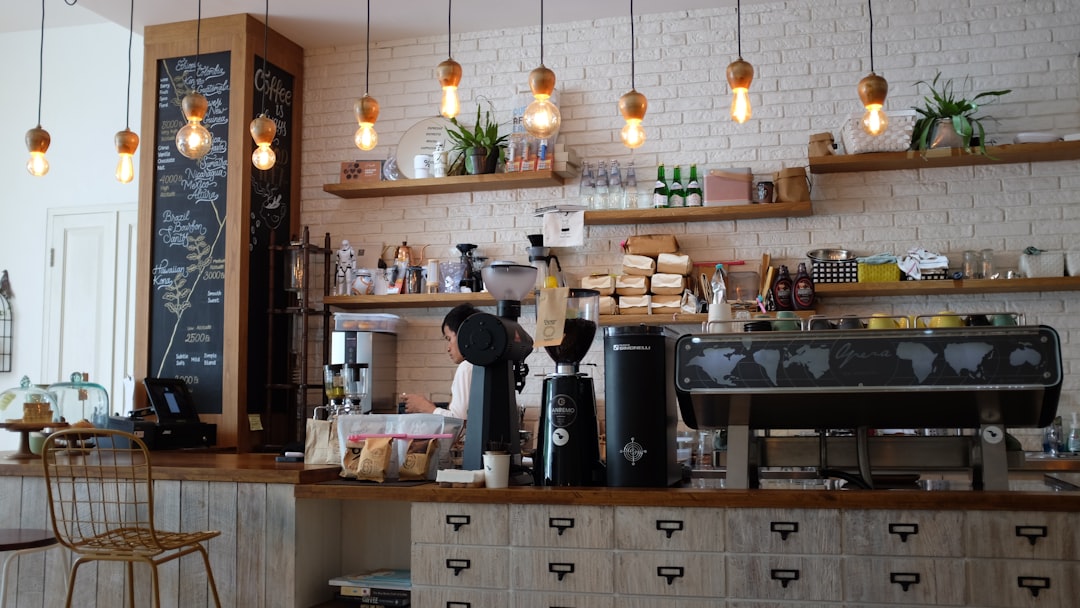
South Africa has developed a serious coffee culture over the past decade, particularly in Cape Town, Johannesburg, Durban, and Pretoria, but the quality gap between a genuinely skilled independent café and a franchise operation running pre-ground commodity beans through a poorly calibrated machine has never been larger. For most people, a coffee shop is a daily ritual — the start of the workday, a meeting space, a working environment, or simply a reliable moment of pleasure. Choosing where to become a regular is worth doing thoughtfully.
This guide covers what actually determines coffee quality, how to read a coffee shop's signals before you order, what separates a skilled barista from one who is just pressing buttons, what makes a space worth returning to beyond the cup itself, and how to find the best independent cafés in your area.
What Actually Determines Coffee Quality
The cup of coffee you receive is the result of decisions made at every stage of a long chain — from the farm where the beans were grown, through the roastery that processed and roasted them, to the barista who extracted the espresso or brewed the filter. A coffee shop that sources well and trains well can produce outstanding results. One that buys the cheapest available commodity espresso blend and runs it through a machine set by the equipment rep who installed it six months ago cannot, regardless of how nicely the space is decorated.
Look for a coffee shop that names its coffee roaster. A café that can tell you who roasted their beans, where those beans were grown, and what processing method was used is engaged with the product at a meaningful level. This transparency is one of the clearest signals that the people running the business actually care about what they are serving. In contrast, a café that uses a generic house blend with no information about its origin is treating coffee as a commodity input rather than the central point of the offering.
Freshness matters. Roasted coffee is at its best in the two to four weeks after roasting and degrades steadily after that. A well-run café should be able to tell you the roast date of the coffee currently on their machine. If the bag does not have a roast date, or if the barista does not know, the coffee has almost certainly been sitting for longer than it should.
Reading the Signals Before You Order
You can learn a great deal about a coffee shop's standards before you place your order. Watch how the barista manages the espresso machine. Are they dialling in the grind — making small adjustments to the grinder based on how shots are pulling? A barista who dials in regularly is monitoring extraction and adjusting to maintain quality as humidity, temperature, and bean age shift throughout the day. A barista who never touches the grinder is running on whatever setting it was left at, which may or may not be right for the current conditions.
Look at the milk handling. Properly steamed milk for espresso drinks should be silky and integrated — a smooth microfoam with no large bubbles or separated foam sitting on top. Milk that has been over-steamed smells faintly of sulphur and tastes flat. A barista who produces consistent microfoam has practiced this skill deliberately.
Check whether the espresso machine and grinder are clean. Coffee oils go rancid and contaminate subsequent shots. A machine with visible buildup, a group head that is visibly dirty, or portafilters left sitting dirty for extended periods is producing worse coffee than its potential. Cleanliness is not optional in a serious café — it is part of the technical practice.
Beyond the Cup — What Makes a Space Worth Returning To
For most people, a coffee shop is not just about the coffee. It is about the experience of being there. The quality of the space — the seating comfort, the noise level, the natural light, the wifi reliability for those working there, the speed of service during peak periods — matters as much as the coffee for regular use.
Consider the menu beyond espresso. A café that offers well-executed filter coffee options — V60, Aeropress, cold brew — is signalling that it takes the full range of coffee seriously, not just the milk-based drinks that most customers order. A food offering that complements the coffee, whether simple pastries or a broader kitchen menu, adds to the value of the space as a place to spend time.
Service warmth is underrated. A barista who acknowledges regular customers, who can talk about the coffee on the menu without condescension, and who handles busy periods with calm professionalism makes a meaningful difference to whether a space feels welcoming or merely functional. A coffee shop where the staff make you feel like a nuisance for asking a question about the menu is rarely worth the return visit.
Independent Cafés vs Franchise Chains
South Africa has several well-established coffee chains — some that have invested meaningfully in coffee quality and training, others that compete primarily on convenience and price. Franchise chains offer consistency and convenience, and the best of them do maintain reasonable quality standards. But the ceiling for a franchise operation is lower than for a serious independent, because independent cafés can make sourcing and menu decisions based entirely on quality rather than on the constraints of a franchise supply chain and standardised operating procedures.
The best independent cafés in South Africa are genuinely world-class. Cape Town in particular has a specialty coffee scene that competes with any major city internationally. Johannesburg, Pretoria, and Durban all have strong independent operators. Finding them is the challenge — they are not always the ones with the best social media presence or the most prominent location. They are often tucked into less obvious spots and found through word of mouth from people with strong coffee opinions.
Asking locals who drink their coffee seriously — not casually — is often the most reliable way to find the best independent options in a new area. Online communities focused on South African specialty coffee are also a useful resource for recommendations beyond your usual area.
What to Look For in a Working-Friendly Café
If you work remotely or freelance, your coffee shop criteria extend beyond the cup. Reliable, fast wifi is table stakes — ask the password before you order if testing is important. Power outlets are increasingly a baseline expectation in South African cafés catering to the work crowd, but not universal. Check before you sit down with a laptop for three hours.
Noise level varies significantly through the day. Most cafés are quieter before 9am and between 2pm and 4pm, and louder during the breakfast and lunch rushes. If concentration matters, understanding the rhythm of a specific café before committing to it as a regular working spot can save frustration.
The minimum spend expectation and table time tolerance varies. Some cafés are explicit about their policy for working guests — a minimum spend per hour, or a time limit during peak periods. These policies are reasonable and worth understanding in advance rather than experiencing as a conflict mid-session.
Quick Checklist for Finding a Good Coffee Shop
- Ask who roasts the coffee — a café that names its roaster takes the product seriously
- Check the roast date on the bag if visible — freshness within four weeks of roasting is ideal
- Watch the barista's process — are they dialling in the grinder and managing milk with attention?
- Check that the machine and equipment look clean — rancid coffee oil affects every shot
- Try a straight espresso or black filter if you want to isolate the coffee quality from milk
- Assess the space for your intended use — seating, noise level, outlets, and wifi
- Note how staff interact with customers — warmth and knowledge matter for a regular relationship
- Ask locals with strong coffee opinions — personal referrals still outperform any algorithm
A great coffee shop becomes part of your routine in a way that almost nothing else does. The best way to find one is through the genuine opinions of people who visit regularly and care about what they are drinking. KiesSlim carries reviews from South Africans who use local coffee shops every day, which can help you find a café in your area that is worth making your own.