Electrical quotes in South Africa vary more than almost any other trade — and unlike a tiling job that looks bad, bad electrical work can kill someone or burn your house down. Understanding what electrical work should cost gives you two things: the confidence to push back on an inflated quote, and the scepticism to question a suspiciously cheap one. Both extremes carry risk. Underpriced electrical work is often done by unqualified people using substandard materials, and overpriced work exploits homeowners who have no reference point.
This guide covers realistic price benchmarks for the most common residential electrical jobs in South Africa in 2026, what drives those prices up or down, and the compliance requirements you should insist on regardless of cost.
How Electricians Charge in South Africa
Most electricians charge a callout fee plus an hourly rate. Callout fees typically range from R400 to R800 depending on the area and whether it is after hours or a weekend. Hourly rates for a qualified electrician generally run between R400 and R700 per hour in major metros. Some electricians charge a flat rate for common jobs — a standard socket installation, for example — rather than tracking hours.
For larger projects like rewiring or DB board upgrades, expect a written quote covering labour and materials separately. Materials should be itemised — cable specs, breaker brands, conduit type. If a quote just says "materials" with a single lump sum, ask for a breakdown. Cheap cable and cheap breakers are where corners get cut invisibly.
A Certificate of Compliance (COC) is legally required for all electrical work done in South Africa when a property is sold or when a new installation is completed. The COC confirms the work meets SANS 10142 standards. Electricians charge separately for the COC — typically R500 to R1,500 depending on the scope of work. Any electrician who says a COC is optional or unnecessary for the work they are doing should be treated with suspicion.
Common Electrical Jobs and Price Ranges
Fault finding and diagnosis typically costs R400–R800 for the callout plus hourly labour while the fault is traced. Simple faults (a tripped breaker, a loose connection) may take under an hour. Intermittent faults in older wiring can take several hours to trace. Get a quote for fault-finding time upfront rather than an open-ended hourly arrangement.
Adding a new power point (socket outlet) in an existing room: R600–R1,200 depending on how far the cable needs to run and whether conduit is required. This assumes the circuit has available capacity. If a new circuit is needed, add R800–R1,500 for the circuit breaker and wiring back to the DB board.
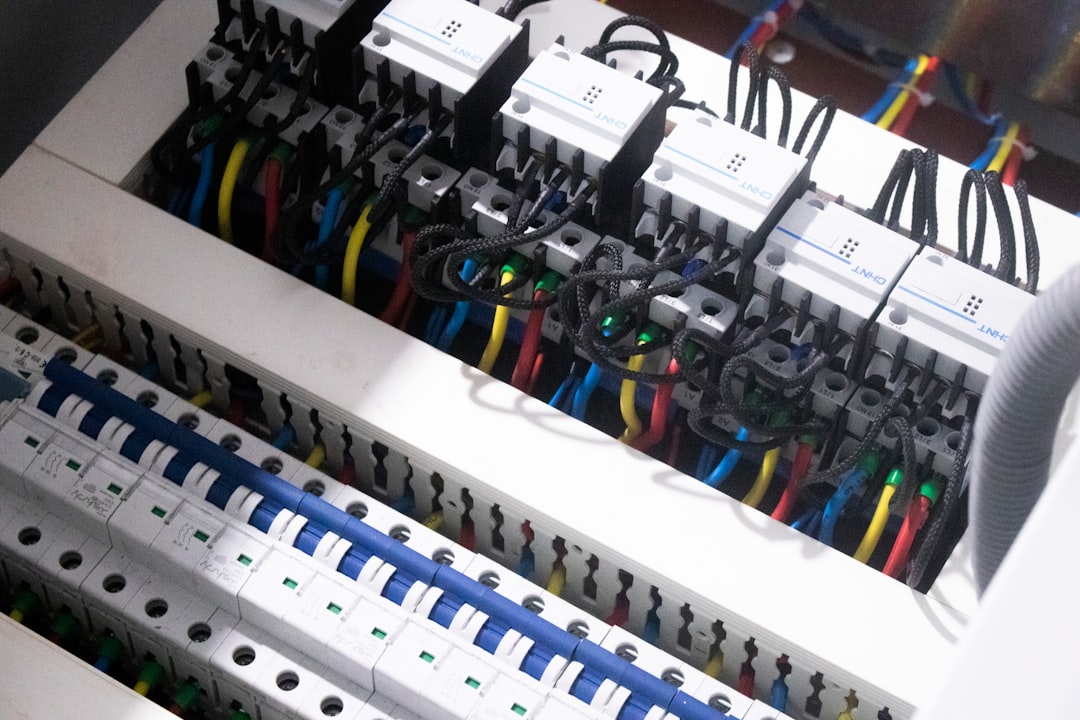
DB board upgrade (replacing an old fuse board with a modern circuit breaker board): R3,500–R8,000 for a standard residential installation. The wide range reflects how many circuits need to be accommodated, whether the board needs to be relocated, and the quality of breakers specified. A Legrand or ABB board with RCBO protection costs significantly more than a no-name board with basic breakers — but the difference is measurable in safety, not just cost.
Installing a dedicated circuit for an air conditioner, geyser, or stove: R1,500–R3,000 depending on cable length and access. Geyser timer installations: R800–R1,500.
Rewiring — What It Costs and When It Is Necessary
Full rewiring of a house is required when the existing wiring is aluminium (common in pre-1980 homes), when the insulation is cracked or perished, or when the electrical system can no longer support the home's load safely. Partial rewiring — redoing specific circuits — is common in older homes where some wiring has been replaced over time but other sections remain original.
Full rewiring cost in South Africa depends primarily on house size: R25,000–R45,000 for a three-bedroom home is a reasonable ballpark. Larger homes, homes with multiple distribution boards, or homes where cable access is difficult (concrete floors, inaccessible roof spaces) will cost more. Expect the job to take three to five days minimum for a mid-size home, during which parts of the property will be without power.
The COC for a fully rewired home is not optional — it is legally required and you will need it when you sell. Confirm upfront that the quote includes the COC, or get a separate quote for it and add it to the total.
Solar and Backup Power Electrical Work
The solar and load-shedding market has introduced a layer of electrical work that was rarely needed five years ago. Installing a transfer switch or changeover switch (to safely connect a generator or inverter): R1,500–R3,500. Installing an inverter/battery system including the DB modifications: R3,000–R8,000 labour only, plus the equipment cost of the inverter and batteries.
Solar PV system installation (labour only, excluding panels and inverter): R5,000–R15,000 depending on system size and roof access. Be cautious of installers who quote extremely low on installation but mark up equipment heavily — get itemised quotes for labour and equipment separately so you can compare meaningfully.
SSEG (small-scale embedded generation) applications to your municipality are required before you can legally export solar power to the grid. Some electricians handle this paperwork; others do not. Confirm whether it is included in your quote if grid-tie or feed-in is part of your system.
What Makes Electrical Quotes Vary
Location is the biggest driver — electricians in Cape Town and Johannesburg charge more than those in smaller towns. After-hours and weekend callouts cost 1.5x to 2x the standard rate. Access difficulty matters: running cable through a double-brick wall takes longer than through a cavity wall. Material quality matters: budget breakers, unbranded cable, and plastic conduit cost less upfront and fail sooner.
The biggest legitimate cost driver is how old your existing installation is. Older homes often reveal additional problems once work starts — corroded connections, overloaded circuits, underspecified cable. A good electrician will flag these before they become surprise charges; a dishonest one will find them mid-job and use them as leverage. Ask upfront: "What would trigger the quote increasing?" and make sure the answer is written into your contract.
Quick Checklist Before You Hire an Electrician
- Confirm the electrician is registered with the Electrical Contractors Association (ECA) and holds a valid wireman's licence
- Get at least two written quotes itemising labour and materials separately
- Confirm whether the COC is included in the quote or quoted separately
- Ask what triggers additional costs and get the answer in writing
- Do not pay the full amount upfront — tie final payment to the COC being issued
- Verify the electrician's licence number with your provincial electrical authority if in doubt
- For solar or backup power work, confirm whether SSEG registration is included
- Check reviews before hiring — electrical complaints are among the easiest to verify through physical evidence
Electrical work is not the place to save money by hiring the cheapest available option. But paying a fair market rate and demanding compliance documentation is entirely reasonable. Read reviews on KiesSlim before hiring to see how electricians in your area have handled previous jobs — particularly how they respond when additional problems are discovered mid-job.