Courier pricing in South Africa is one of the most confusing markets a consumer or small business owner navigates. Published rate cards, fuel surcharges, dimensional weight calculations, surcharges for remote areas, and the difference between what a courier charges an account holder versus what they charge a walk-in customer means that the "price" of sending a parcel is rarely a single clear number. This guide cuts through that complexity with realistic price benchmarks for the most common courier scenarios in South Africa in 2026, and explains the factors that make costs vary so that you can evaluate any quote intelligently.
This guide covers per-parcel pricing for overnight, economy, and same-day services, what dimensional weight means and how it affects your cost, area surcharges, and how to structure your shipping spend if you send more than a few parcels per month.
How Courier Pricing Works in South Africa
Courier pricing is based on the greater of actual weight and dimensional weight (also called volumetric weight). Dimensional weight is calculated as: length (cm) x width (cm) x height (cm) divided by a divisor — typically 4,000 or 5,000 depending on the courier. A parcel that is physically light but large in volume will be charged on its dimensional weight, not its actual weight. A 2kg parcel in a box measuring 40cm x 30cm x 20cm has a dimensional weight of 4.8–6kg (depending on the divisor) — you will be charged for the higher figure.
This matters most for e-commerce businesses shipping clothing, footwear, or bulky lightweight items. A pair of sneakers in a standard shoe box is typically charged as 2.5–3kg regardless of the actual weight. Understanding this prevents billing surprises and helps you optimise your packaging to reduce unnecessary volume without compromising protection.
Weight brackets are the basis of rate cards — pricing steps up at defined weight increments (typically 0–1kg, 1–2kg, 2–5kg, 5–10kg, 10–20kg, and so on). There is no benefit to a parcel being 1.1kg versus 2kg if both fall in the 1–2kg bracket — optimising to stay within the lower bracket where possible reduces cost per shipment.
Overnight Delivery — Price Benchmarks
Overnight or next-business-day delivery between major metro areas (Johannesburg, Cape Town, Durban, Pretoria, Port Elizabeth) is the most competitive segment of the South African courier market. Standard retail/walk-in pricing at major couriers for a 1kg parcel metro-to-metro: R100–R180. For business account holders shipping volume, negotiated rates can be R65–R120 for the same parcel.
A 5kg parcel metro-to-metro, overnight: R180–R350 at retail rates, R130–R220 on a business account. A 10kg parcel: R280–R500 at retail, R200–R350 on account. Heavier parcels (20–30kg) sit in the R500–R900 range metro-to-metro for overnight, with business rates 20–35% lower.
Remote area surcharges apply to deliveries outside metro and major town areas — townships, rural addresses, farms, and smaller towns not on the main delivery network. Surcharges range from R30–R150 per parcel depending on the courier and the specific destination. Some couriers do not directly service remote areas and subcontract these deliveries, which increases both cost and the risk of delays and mishandling.
Economy and Two-Day Delivery
Economy or two-to-three business day services cost 20–40% less than overnight for the same parcel. Metro-to-metro 1kg parcel on economy: R70–R130 at retail. Business account rate: R50–R90. Economy services are appropriate when delivery speed is not critical — for non-perishable products, business documents, or subscriptions where customers are accustomed to a longer window.
Consolidation services — where multiple parcels from different senders are grouped on the same route — are available from some couriers and are the cheapest option for non-time-sensitive small parcels. These typically take three to five business days and cost R50–R80 per 1kg parcel metro-to-metro. The trade-off is reduced tracking granularity and longer, less predictable delivery windows.
Same-Day and On-Demand Delivery
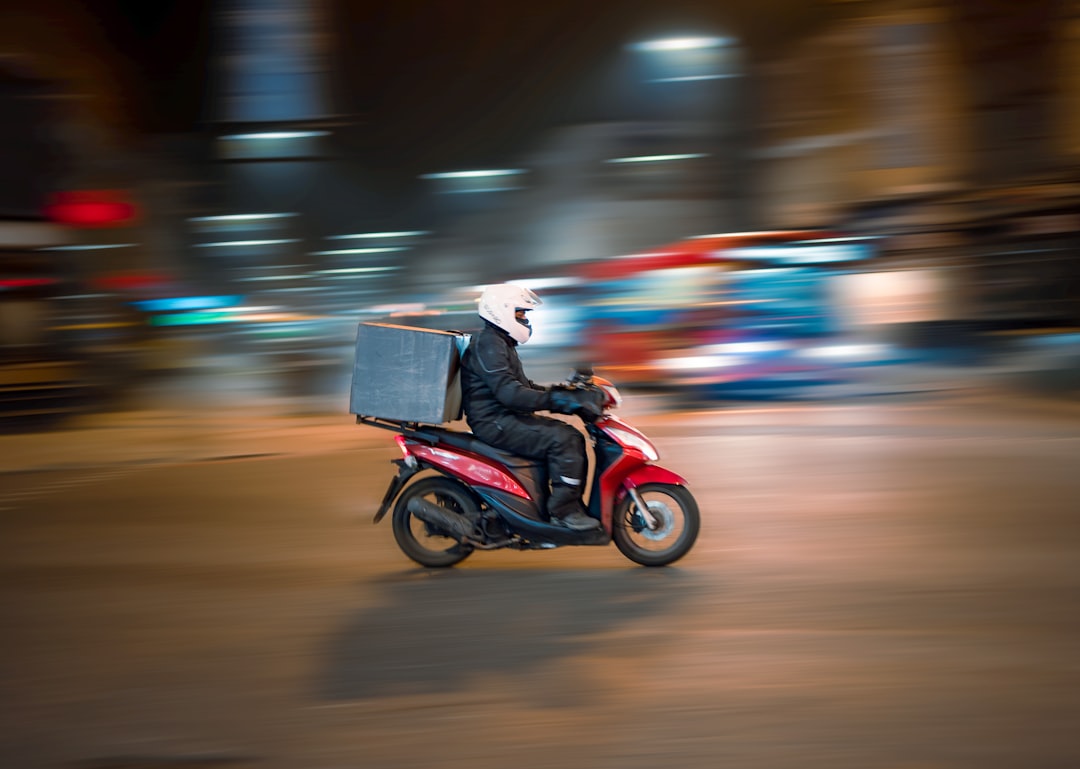
Same-day delivery within a city is typically not offered by national couriers on standard rate cards — it is the domain of on-demand platforms (Pargo, Picup, Courier Guy on-demand, Uber Direct, and similar). Pricing for on-demand same-day city delivery: R80–R200 for a small parcel within the same city, depending on distance and platform. Bikes are cheaper than cars for small, light parcels; a dedicated vehicle for a larger consignment costs significantly more.
Restaurant and food delivery via platforms like Mr D and Uber Eats are a distinct category with their own pricing. For businesses wanting to offer same-day product delivery, the on-demand platforms provide coverage in major metros without the need for a dedicated fleet or courier contract.
Document and Envelope Delivery
Document delivery (A4 envelope, up to 0.5kg) metro-to-metro overnight: R60–R120 at retail. Business account rates: R45–R80. Documents are the smallest and cheapest category of courier shipment. For regular high-volume document delivery (legal firms, financial services, healthcare), dedicated document courier contracts with flat-rate pricing are available from most major couriers and can reduce per-envelope cost to R30–R60.
International document and parcel delivery via DHL, FedEx, UPS, or local couriers' international services: R250–R600 for a document to most African countries (2–3 day service); R400–R900 to Europe or the US (2–5 day express). Standard international (5–7 days) costs 30–50% less but is more variable in transit time.
Ways to Reduce Courier Costs
Negotiate a business account even at modest volumes — most couriers will open an account for businesses shipping as few as 10–20 parcels per month and provide rates 20–30% below walk-in pricing. The account also provides consolidated invoicing and a contact for service issues, which has operational value beyond the rate saving.
Optimise packaging to minimise dimensional weight. Removing unnecessary air from packaging — using correctly sized boxes rather than a large box with padding to fill space — can drop parcels into a lower dimensional weight bracket and reduce cost per shipment by 10–25%. This also reduces damage from items shifting in transit.
Use the right service tier for the shipment — not every parcel needs overnight delivery. Routing non-urgent stock replenishment, replacement parts, or subscription box fulfilment through economy services can reduce shipping costs by 25–40% without affecting customer satisfaction for customers who are not expecting next-day delivery.
Quick Checklist Before Choosing a Courier Rate
- Weigh and measure a sample of your typical parcels to calculate both actual and dimensional weight
- Open a business account — even low-volume accounts get better rates than walk-in pricing
- Ask specifically about remote area surcharges for your common delivery destinations
- Compare total landed cost (base rate + fuel surcharge + remote surcharge) not just base rate
- Use economy services where delivery speed is not critical to the customer experience
- Optimise packaging to minimise dimensional weight before scaling up volume
- Confirm declared value cover is available and priced for high-value shipments
- Read business reviews to understand how the courier handles delayed and lost parcels
Courier costs add up quickly at scale — a 15% reduction in your average cost per shipment can save a meaningful amount annually if you are shipping hundreds of parcels per month. The combination of a negotiated account rate, right-sized packaging, and appropriate service tier selection is where most of those savings come from. For finding and reviewing courier services in your area, check KiesSlim for reviews from other businesses before committing to a provider.